
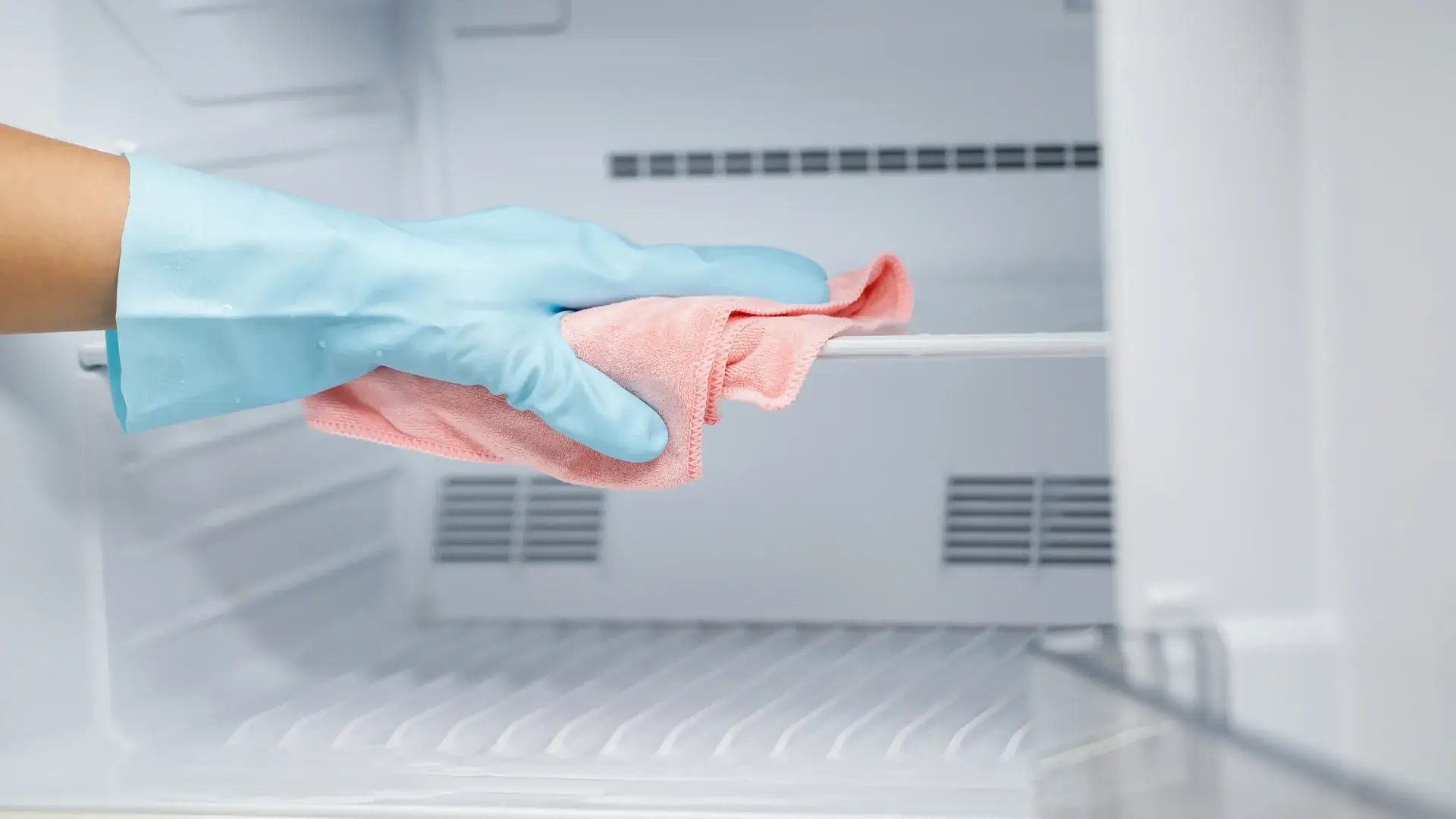
The refrigerator works harder than almost any other appliance in the kitchen, yet it often gets the least attention. A quick wipe of the door handle is not the same as a real deep clean refrigerator routine, and the difference shows up in smells, sticky spills, and even food safety.
This guide walks through exactly how to deep clean a refrigerator inside and out, how often to do it, and the signs that tell you it is time. The steps work for any standard fridge, whether it sits in a busy family kitchen or a small apartment.
What does a refrigerator deep clean actually involve?
A refrigerator deep clean covers more than the shelves. It includes removing every shelf, drawer, and bin, washing the interior walls and door seals, cleaning under and behind the unit, and checking expired food. A full deep clean refrigerator session usually takes 45 to 90 minutes, depending on how long it has been since the last one and how much needs to come out before you can reach the back panels.
Why a quick wipe down is not enough
Daily spills get caught fast, but residue builds up in places most people skip. Door seals trap crumbs and moisture. Drawer tracks collect sticky juice. The back of the fridge gathers dust that affects how efficiently the compressor runs, which can quietly raise an energy bill over time.
Professional cleaners who handle recurring home visits often find:
- Sticky rings under condiment bottles that have been there for weeks
- Mold starting in door gaskets, especially in humid months
- Expired items pushed to the back of the bottom shelf
- Dust buildup behind and underneath the unit that nobody can see without moving it
- A thin film on the underside of glass shelves that only shows up under direct light
None of this shows up during a 30-second wipe. It only surfaces during a true deep clean, which is exactly why the task gets pushed off month after month.
How to deep clean your refrigerator step by step
Follow this order to keep food safe and avoid leaving the door open longer than necessary.
1. Empty and sort everything first
Take everything out, including condiments stuck in the door bins. Group items into three piles: keep, check the date, and toss. This is the easiest moment to clean the fridge of anything expired without second-guessing it later. Set perishables aside in a cooler bag if the whole process will take more than 20 minutes.
2. Remove and wash shelves and drawers
Pull out every removable shelf, drawer, and bin. Wash them in warm water with a mild dish soap, then dry completely before placing them back. Glass shelves that are very cold should sit at room temperature for a few minutes first to avoid cracking from a sudden temperature change. Drawer tracks deserve a closer look too, since they trap crumbs that fall every time a drawer slides open.
3. Clean the interior walls and seals
Mix warm water with a small amount of baking soda, or use a gentle all-purpose cleaner. Wipe down the walls, ceiling, and floor of the fridge. Pay close attention to the door seals: pull the rubber gasket gently and wipe inside the fold, where mold and grime tend to hide. A cotton swab works well for the tight corners a cloth cannot reach.
4. Tackle the door bins and bottle storage
Door bins and bottle holders collect spilled juice and sauce more than any other spot. Remove them if possible and wash separately in the sink. This step alone often resolves most lingering odors, since sticky residue here sits closer to the airflow than most people realize.
5. Clean the water and ice dispenser
If the fridge has a built-in water or ice dispenser, wipe the chute and tray with a damp cloth and a small amount of vinegar solution. Mineral buildup and mold can form here quietly, and it is one of the most overlooked spots during a routine deep clean fridge session.
6. Don’t skip the back and underneath
A complete deep clean refrigerator routine also includes the exterior. Unplug the unit, then vacuum the coils and grille on the back or bottom, depending on the model. Wipe the floor underneath if you can safely move the fridge. This area collects dust that can reduce cooling efficiency over time and make the compressor run longer than it should.
7. Dry, reload, and reset
Dry every surface before putting items back. Wipe down jars and bottles before returning them, since this keeps the next clean easier. Reload with the oldest items toward the front so nothing gets forgotten again, and consider grouping similar items together so spills are easier to spot early next time.
Deep clean refrigerator checklist for every kitchen
For a quick reference the next time the task comes up, a full deep clean refrigerator checklist looks like this:
- Empty the fridge and sort items into keep, check, and toss
- Wash all shelves, drawers, and bins separately
- Wipe interior walls, ceiling, and floor
- Clean the door seals and gasket folds
- Wipe out door bins and bottle storage
- Clean the water or ice dispenser if present
- Vacuum the coils and clean underneath the unit
- Dry everything before reloading
Keeping this list nearby, even just a photo on a phone, makes it far easier to stay consistent every few months.
Choosing safe, eco-friendly products for the job
Since a refrigerator stores food, the products used to clean it matter more than they would on a countertop or floor. Baking soda, white vinegar, and a mild unscented dish soap handle almost every spill and stain without leaving behind a strong smell that food can absorb.
Avoid bleach, ammonia, and heavily scented sprays near interior surfaces. These can transfer odor into porous foods like butter or leftovers stored in open containers, and some combinations of cleaning chemicals create dangerous fumes when mixed, even by accident.
Common mistakes when people deep clean a refrigerator
A few habits make the job harder than it needs to be:
- Using bleach or strong ammonia-based products near food storage areas
- Skipping the door seals because they look fine from the outside
- Leaving the fridge open for too long while cleaning, which raises the internal temperature
- Forgetting to check expiration dates before reorganizing
- Cleaning the inside but never touching the coils on the back
- Putting wet shelves back in before they are fully dry, which encourages mold
Avoiding these mistakes keeps the process faster and safer for food stored inside.
How often should you deep clean the fridge
Most households do well with a deep clean every three months, with a faster wipe down of shelves and spills every one to two weeks. Families with young kids, frequent takeout containers, or pets in the kitchen often benefit from a deep clean every six to eight weeks instead, since spills and sticky fingerprints show up more often.
Commercial kitchens and offices with shared fridges usually need it more often, sometimes monthly, since more people use the space and spills go unnoticed longer between cleanings. Setting a recurring reminder, rather than relying on memory, is the simplest way to keep this on schedule without it slipping for an extra month or two.
Signs your fridge needs a deep clean now
Watch for these signals between scheduled cleanings:
- A musty or sour smell that does not go away after removing food
- Sticky residue on shelves that wipes away cleanly with a damp cloth
- Visible mold spots near the door seal
- Frost buildup that seems heavier than usual
- Items going bad faster than expected, which can point to temperature issues tied to dust on the coils
What professional cleaners notice that DIY cleaning often misses
During a recurring residential visit, a cleaning team once found a refrigerator that smelled fine on the outside but had a hidden leak from a cracked egg carton stuck behind the bottom drawer. The smell had been blamed on the trash can for weeks. A full deep clean refrigerator session, including pulling out every drawer, resolved it in under an hour.
Another pattern that shows up often during scheduled cleanings is mold forming inside the rubber folds of the door seal, well before it becomes visible from a normal angle. Homeowners are usually surprised by how much builds up in a spot they check almost every day without ever really looking closely at it.
It is a good reminder that smells and grime inside a fridge rarely come from where they seem to, and a trained eye tends to check the same handful of overlooked spots every time.
According to the USDA’s food safety guidance on refrigeration, the refrigerator should be kept at 40°F or below to slow bacterial growth, which makes regular cleaning and temperature checks part of the same routine, not separate tasks.
Frequently asked questions about refrigerator deep cleaning
Can I use vinegar to deep clean a refrigerator?
Yes. A mix of equal parts water and white vinegar works well for interior walls and shelves, and it helps cut through mild odors without leaving a strong scent behind.
How long should a refrigerator deep clean take?
A standard kitchen fridge usually takes 45 minutes to an hour. Larger units or ones that have not been cleaned in a while can take closer to 90 minutes.
Is it safe to unplug the fridge while cleaning?
Yes, especially when cleaning the coils or moving the unit. Just plan to finish within an hour or two so food temperature is not affected for too long.
What is the best way to clean under the fridge?
Move the unit carefully if it has wheels, or use a flat mop or vacuum attachment to reach underneath without pulling it out completely. Cleaning under the fridge a few times a year prevents major dust and grime buildup.
Should I clean the fridge before or after grocery shopping?
Before, whenever possible. An empty or near-empty fridge before a shopping trip is the easiest time to deep clean, since there is less to move around and less risk of food sitting out too long.
Make refrigerator care part of a bigger kitchen routine
A spotless fridge stands out fast when the rest of the kitchen is not kept to the same standard. Pairing a quarterly deep clean refrigerator routine with steady upkeep of counters, floors, and cabinets keeps the whole space feeling consistently clean rather than clean in patches.
Households that want this handled without adding another task to an already full schedule often combine a deep cleaning visit for appliances and overlooked spots with a recurring weekly cleaning plan that keeps everyday surfaces in check in between.