What to Clean Before a Professional House Cleaning Visit?
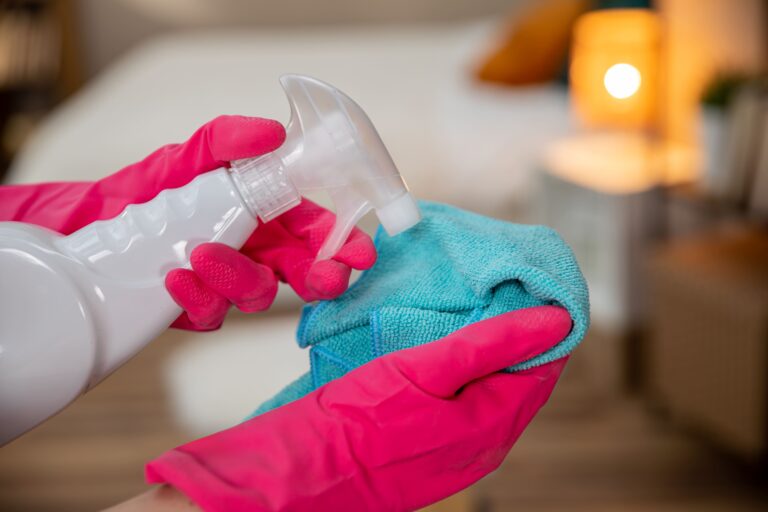
Quick Answer You do not need to clean your home before a house cleaning service arrives, but doing a quick 15-minute tidy—such as picking up clutter, clearing dirty dishes from sinks, securing personal items, and managing pet areas—allows cleaners to focus immediately on high-level sanitizing, dusting, and scrubbing. Do You Need to Clean Before Cleaners Arrive? Professional cleaners are hired to handle the dirty work, meaning sweeping, scrubbing, sanitizing, and dusting are entirely their job. However, pre-cleaning or tidying up
Weekly vs Bi-Weekly Cleaning: Which Schedule Fits?
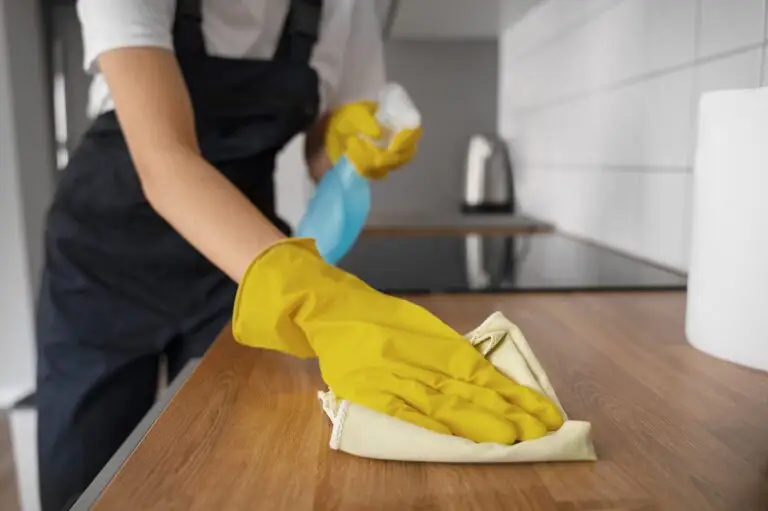
Quick Answer When choosing between weekly and bi-weekly cleaning, weekly service is best for busy households with children, shedding pets, or heavy daily traffic that accumulates grime fast, while bi-weekly cleaning offers an ideal balance of consistent maintenance and cost-effectiveness for smaller homes or couples without pets. What Weekly Cleaning Is Best For Busy families Households with children generate constant foot traffic, food crumbs, laundry, and clutter, requiring a professional reset every seven days to keep chores from overwhelming daily
How to Prepare Your Home for Holiday Guests?
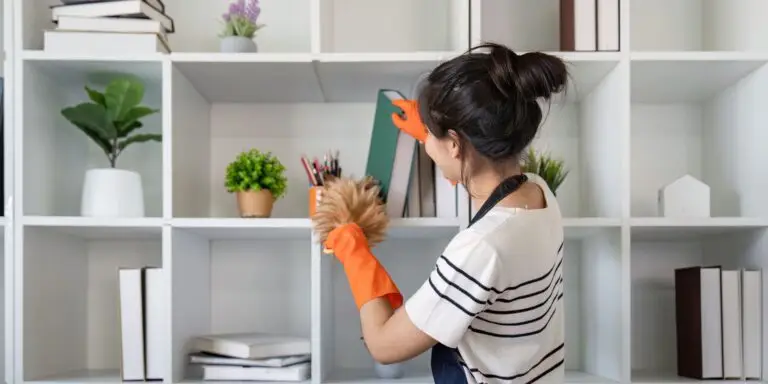
Quick Answer To prepare your home for holiday guests without last-minute stress, start cleaning major public spaces (kitchen, guest bathroom, and living room) a week in advance, tackle guest bedroom preparations, and reserve the final 24 hours for light dusting, fresh linens, and high-traffic touch-ups. What to Clean First Before Guests Arrive Before tackling detailed surface scrubbing, focus on decluttering shared living spaces, clearing out refrigerator space for holiday groceries, and washing guest bedding and towels. Getting these foundational chores
Fall Cleaning Checklist for a Healthier Home
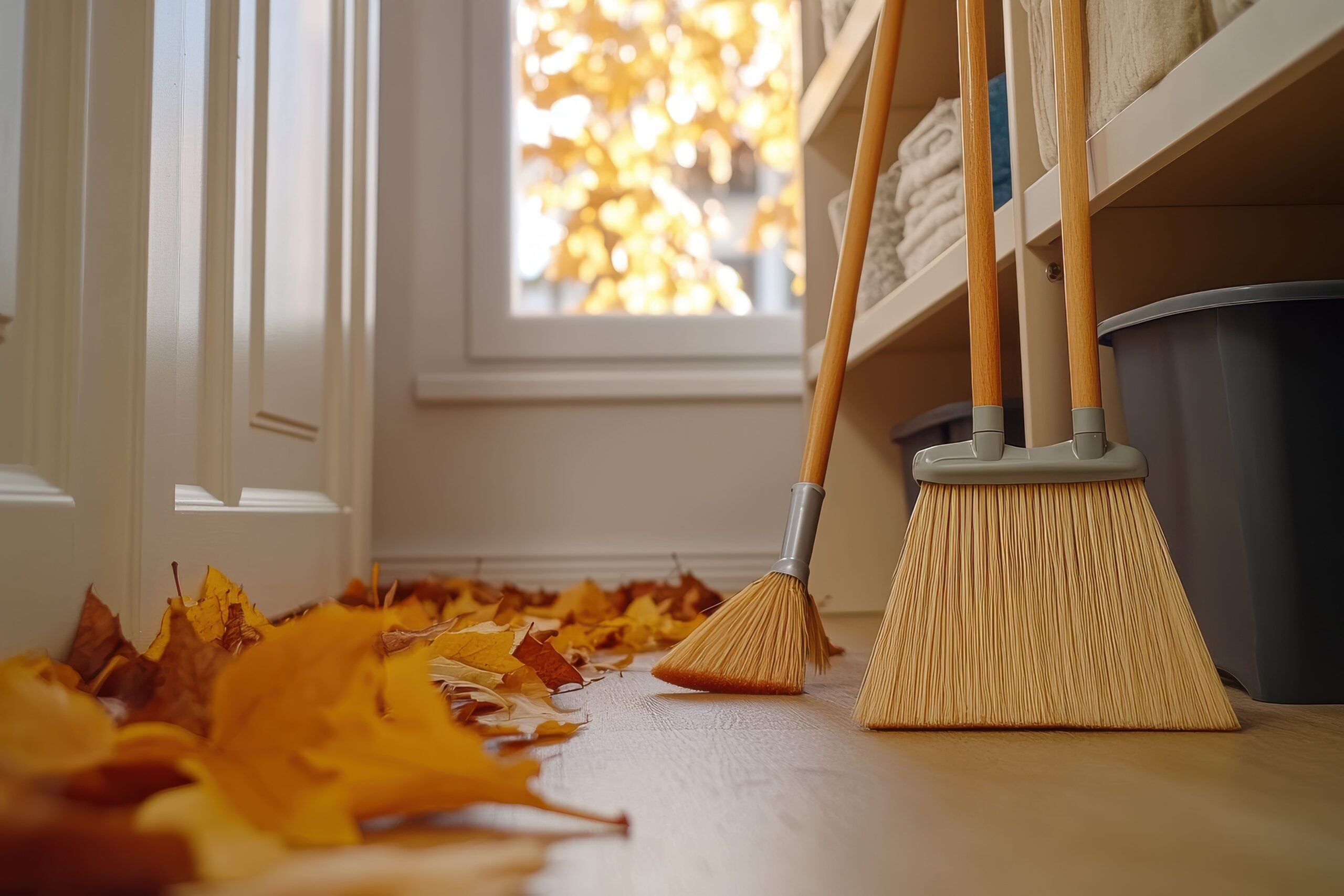
Quick Answer A comprehensive fall cleaning checklist focuses on transitioning your home for colder weather by deep-cleaning heating vents, washing windows, clearing out summer dust and allergens, laundering bedding, and tackling room-by-room sanitation so your space stays cozy and pristine all season long. Why Fall Cleaning Matters in the DMV Region As temperatures drop across the region and windows close tightly for the winter, indoor air circulation changes drastically. Fall cleaning clears out accumulated summer pollen, dust mites, and pet
How to Clean Bathroom Floors Around Toilets?
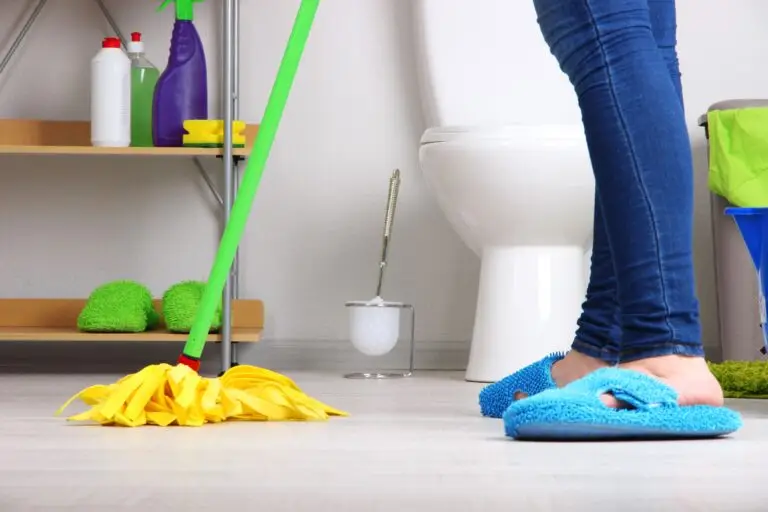
Quick Answer To clean the bathroom floor around the toilet thoroughly, start by vacuuming or dry-sweeping loose dust and hair, apply a disinfecting cleaner around the base and hidden crevices behind the bowl, let it sit for a few minutes, and wipe it down with disposable microfiber cloths before damp-mopping the entire floor. Why the Area Around Toilets Needs Extra Attention The tight space around the base of a toilet is a notorious hotspot for dust accumulation, stray moisture, and
Toilet Brush vs Disposable Toilet Wand: Which Is Better?
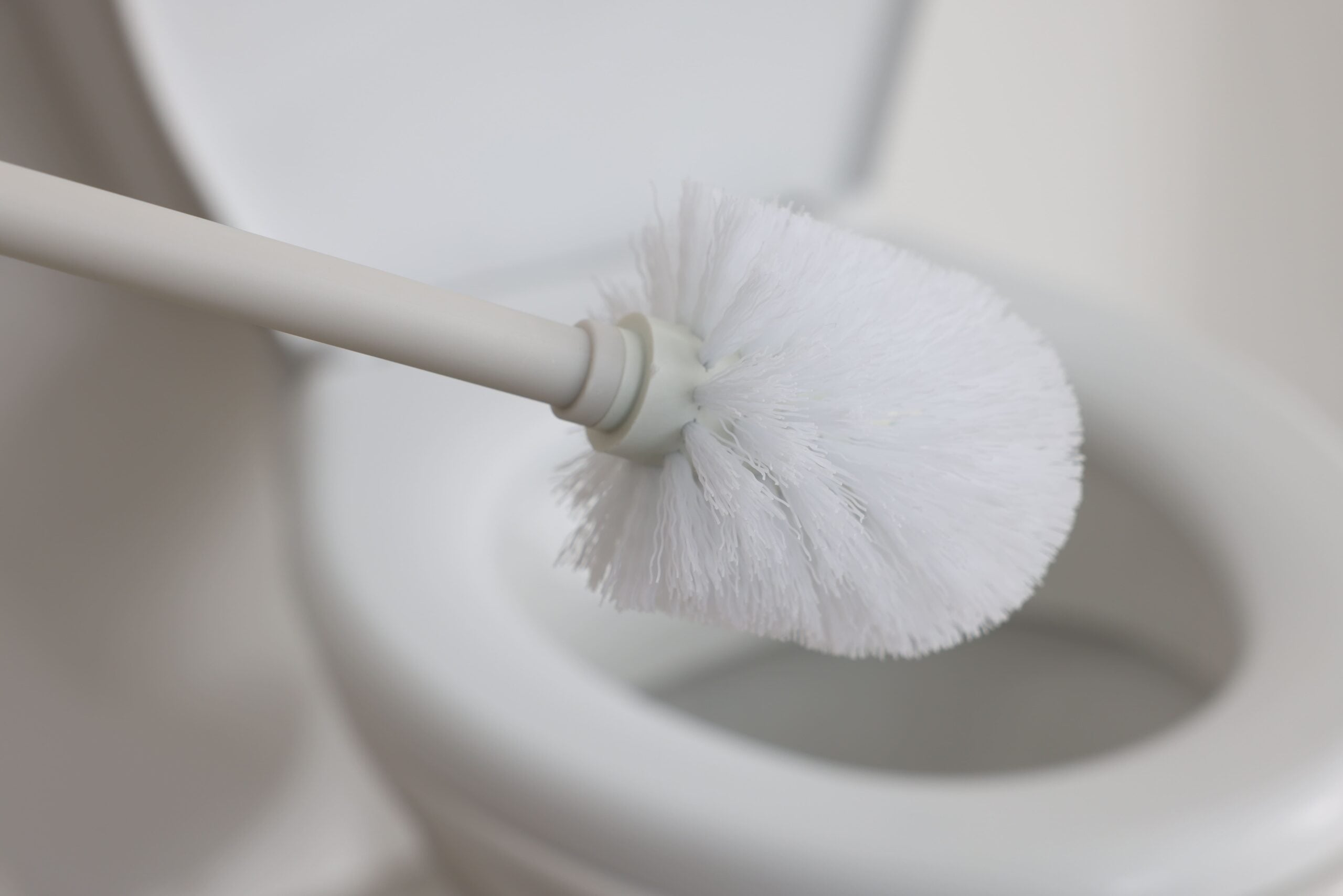
Quick Answer When comparing a toilet brush and a disposable toilet wand, traditional brushes offer better leverage and long-term value for heavy scrubbing, while disposable wands win on convenience and hygiene since you toss the germ-filled sponge head right after each use. How Each Toilet Cleaning Tool Works Traditional toilet brush A classic toilet brush features stiff bristles attached to a permanent handle, designed to be stored in a holder after use. It relies on manual scrubbing power and requires
How to Clean Shower Curtains and Liners Properly?
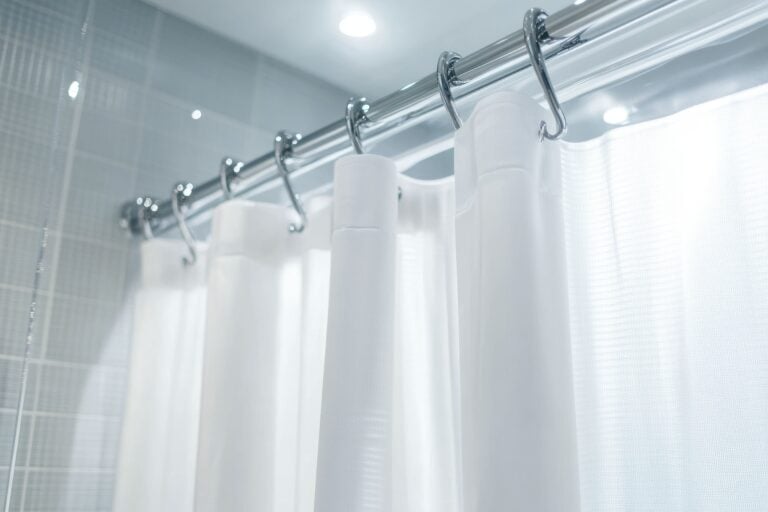
Quick Answer To clean shower curtains and plastic liners effectively and eliminate pink mold or mildew, machine wash fabric curtains on a gentle cycle with a mild detergent and a cup of white vinegar, or wash plastic liners with a gentle cloth and baking soda, then hang them back up immediately to air dry completely. Why Shower Curtains Get Mildew and Residue Shower curtains and liners hang in constant contact with warm water, high humidity, soap splatters, and body oils.
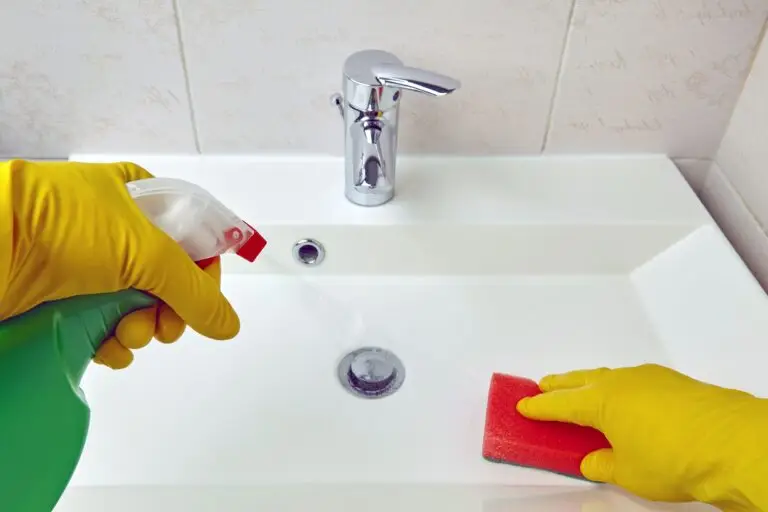
How to Clean Bathroom Sink Drains and Stop Odors?
Quick Answer To clean a smelly bathroom sink drain, remove and wash the pop-up stopper to clear trapped hair and slime, pour a half cup of baking soda followed by white vinegar down the opening to dissolve buildup naturally, and flush the drain with boiling water to restore a fresh, clean scent. Why Bathroom Sink Drains Smell Hair and soap residue Every time you wash your hands, brush your teeth, or rinse styling products down the basin, stray hairs and
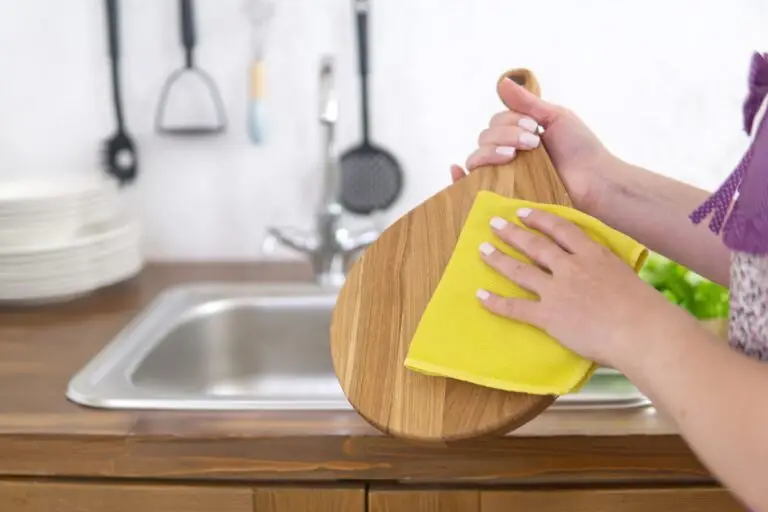
Wood vs Plastic Cutting Boards: How to Clean Each?
Quick Answer To clean cutting boards effectively while protecting their material, wash plastic boards in hot soapy water or the dishwasher and sanitize them with diluted bleach, whereas wood and bamboo boards should be hand-washed gently, deodorized with lemon and salt, and periodically conditioned with food-grade mineral oil. Why Cutting Board Material Changes the Method Wood, bamboo, and plastic possess entirely different porous structures and durability levels. Treating a natural wood board like a plastic one—by soaking it in water
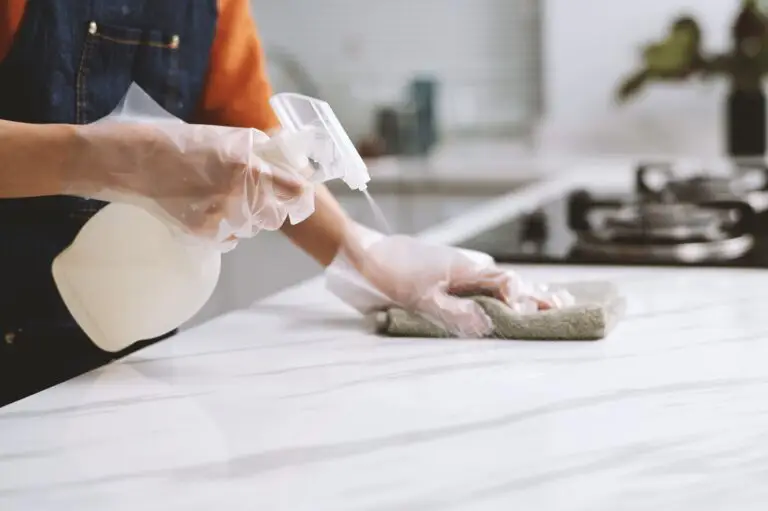
How to Clean Kitchen Countertops by Surface Type?
Quick Answer To clean kitchen countertops safely without damaging the material, use warm water and a drop of mild dish soap for daily wipedowns, avoid acidic solutions like vinegar on natural stone, and always use specialized cleaners formulated specifically for your specific countertop surface—whether quartz, granite, marble, laminate, or butcher block. Why Countertop Material Matters Kitchen countertops endure heavy daily use from food prep, spills, hot pans, and cleaning chemicals. Because different materials possess unique chemical properties, using the wrong
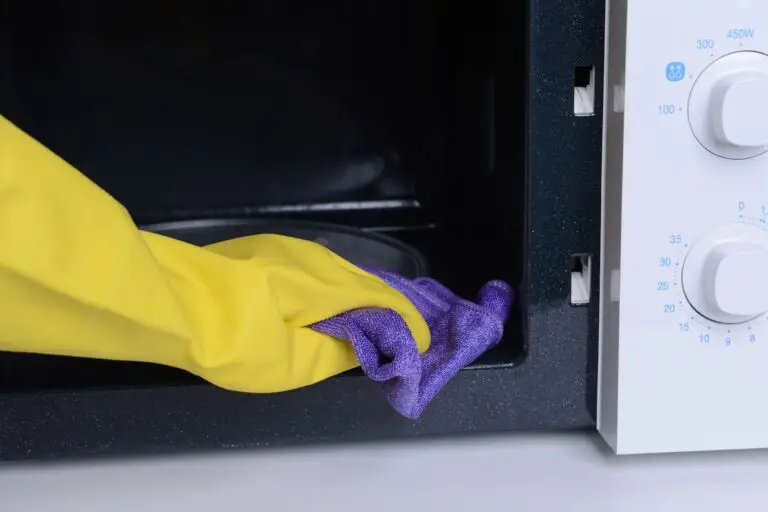
How to Clean a Microwave Without Harsh Chemicals?
Quick Answer The easiest way to clean a microwave without harsh chemicals is to use the steam method: microwave a bowl of water with lemon slices or vinegar for 3 to 5 minutes to loosen dried food splatters, let the steam sit for a few minutes, and wipe the interior clean effortlessly with a damp microfiber cloth. Why Microwave Splatter Gets Hard to Remove Every time you heat food without a cover, microscopic grease and sauce droplets splatter against the
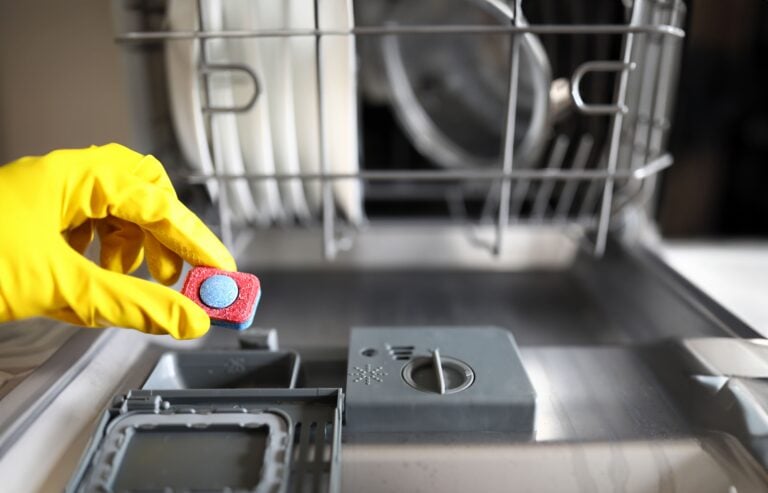
How to Clean a Dishwasher and Remove Bad Smells?
Quick Answer To clean your dishwasher and remove bad smells, remove and wash the filter in warm soapy water, wipe down the rubber door gasket and spray arms, clear food debris from the drain, and run a hot cycle with a bowl of white vinegar followed by a baking soda refresh. Why Dishwashers Start to Smell Even though dishwashers wash dishes, they constantly trap tiny food particles, grease, soap scum, and moisture inside dark, warm crevices. Over time, organic debris