
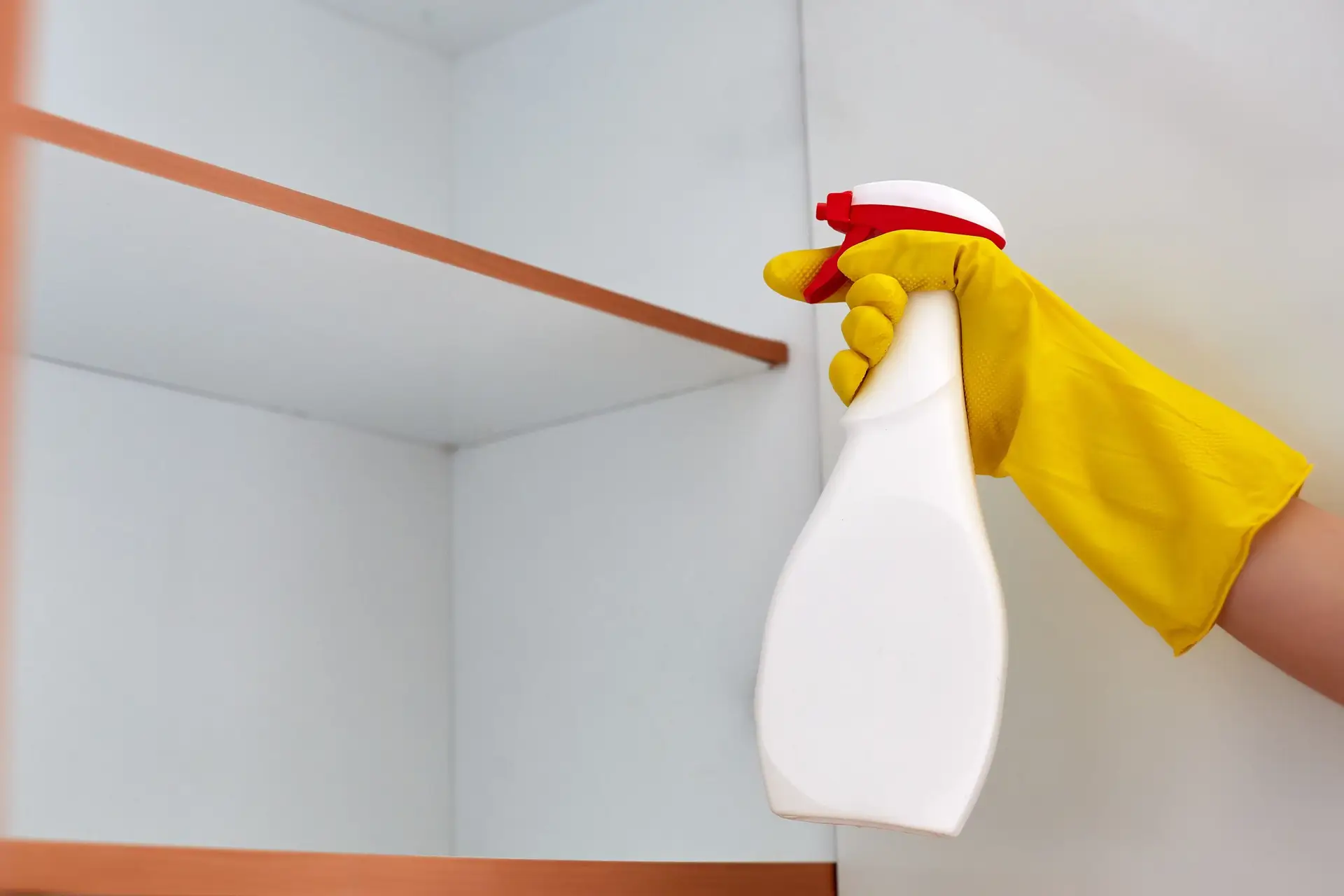
Your kitchen cabinets endure daily wear and tear: stray flour from baking, leaking oil, and the inevitable accumulation of dust and crumbs. Because they are enclosed, they can also become breeding grounds for odors if neglected. Cleaning inside your cabinets is one of the most effective ways to improve your kitchen’s hygiene, yet it is often the most skipped task in a standard cleaning routine.
Quick Answer: The Cabinet Refresh Routine
The most effective way to clean cabinet interiors is to empty them completely. Vacuum out loose debris from the corners, wipe the shelves and walls with a surface-safe cleaner, and dry them thoroughly to prevent moisture damage. Once clean, organize your items by frequency of use before returning them to the shelves.
Empty and Evaluate: The Foundation
You cannot clean what you cannot reach. Before you pick up a cloth, clear the deck.
- The “Clear-Out”: Take everything out. This is the perfect time to check expiration dates on spices and pantry items.
- The Three-Pile System:
- Keep: Items used regularly.
- Relocate: Items that belong in another room or a different part of the kitchen.
- Toss/Donate: Broken containers, duplicates, or items you haven’t touched in a year.
- Decluttering Tip: By removing the “clutter-weight” of your cabinets, you make future cleaning much faster. A less crowded cabinet means fewer places for dust and grime to settle.
Remove Debris and Wipe Surfaces Safely
Kitchen cabinets are often made of delicate materials like finished wood, laminate, or painted MDF. Using the wrong technique can lead to warped wood or lifted paint.
- Vacuum the Corners: Use your vacuum’s crevice tool to get into the tightest corners and along the hinges where dust and crumbs congregate. This is much more effective than pushing crumbs around with a rag.
- Choose the Right Cleaner:
- Finished Wood: Use a microfiber cloth lightly dampened with a pH-neutral wood cleaner. Never let water pool on wood; it will cause the finish to cloud or the wood to warp.
- Laminate/Painted: A mild solution of warm water and a tiny drop of dish soap is usually sufficient.
- The “Dry Immediately” Rule: After wiping, go over the surface with a separate dry microfiber cloth. Moisture is the enemy of interior cabinetry—ensure the shelves are bone-dry before putting your plates or food back in.
FAQ: Can water damage cabinet interiors? Yes, especially if the cabinet is made of particle board or MDF. If moisture seeps into the seams, the material can swell and crumble. Always use the “damp, not wet” method and dry immediately.
Organize for Efficiency and Maintenance
Organization isn’t just about looks—it keeps your kitchen cleaner for longer.
- Zones Matter: Keep your “everyday” plates and glasses at eye level. Store heavy cookware on the lowest shelves to avoid strain.
- Contain the Mess: Use clear bins for spill-prone items like flour, sugar, or oils. If a container leaks, it leaks into the bin, not onto your cabinet shelf.
- Shelf Liners: Consider using washable shelf liners. They protect your cabinet surface from scratches and can be pulled out and washed in the sink if a spill occurs, saving you the hassle of a full-cabinet deep clean.
When to Include Cabinets in a Deep Clean
Routine cleaning usually focuses on countertops and floors, but cabinet interiors need professional attention during seasonal resets or move-in/move-out transitions. These jobs require careful handling of your belongings and specific knowledge of cabinet-safe products.
At Clean Day Maids, we understand that a truly clean kitchen goes beyond the surface. We offer detailed interior kitchen cleaning, ensuring that your shelves are dusted, wiped, and sanitized with the care your home deserves. Whether you are prepping for a holiday or just want a fresh start, our team is ready to help.
Let us restore the heart of your home. Click here to request your customized kitchen cleaning service with Clean Day Maids!
Frequently Asked Questions
- What is the best way to clean inside cabinets? The best way is to empty them completely, vacuum the corners, wipe with a pH-neutral cleaner on a damp cloth, and dry thoroughly.
- Should I use shelf liners? Yes, they are highly recommended. They provide a barrier that prevents wear and tear on your shelves and makes future cleanup as easy as wiping a liner.
- How do I remove odors from kitchen cabinets? If the cabinets are clean and dry but still smell, place a small bowl of baking soda on a shelf for 24–48 hours to absorb trapped odors.
- Do professional cleaners clean inside cabinets? Yes! Most professional cleaners offer cabinet interior cleaning as an “add-on” service. It is a detail-oriented task that is perfect for professional help during deep cleans.