
Quick Answer
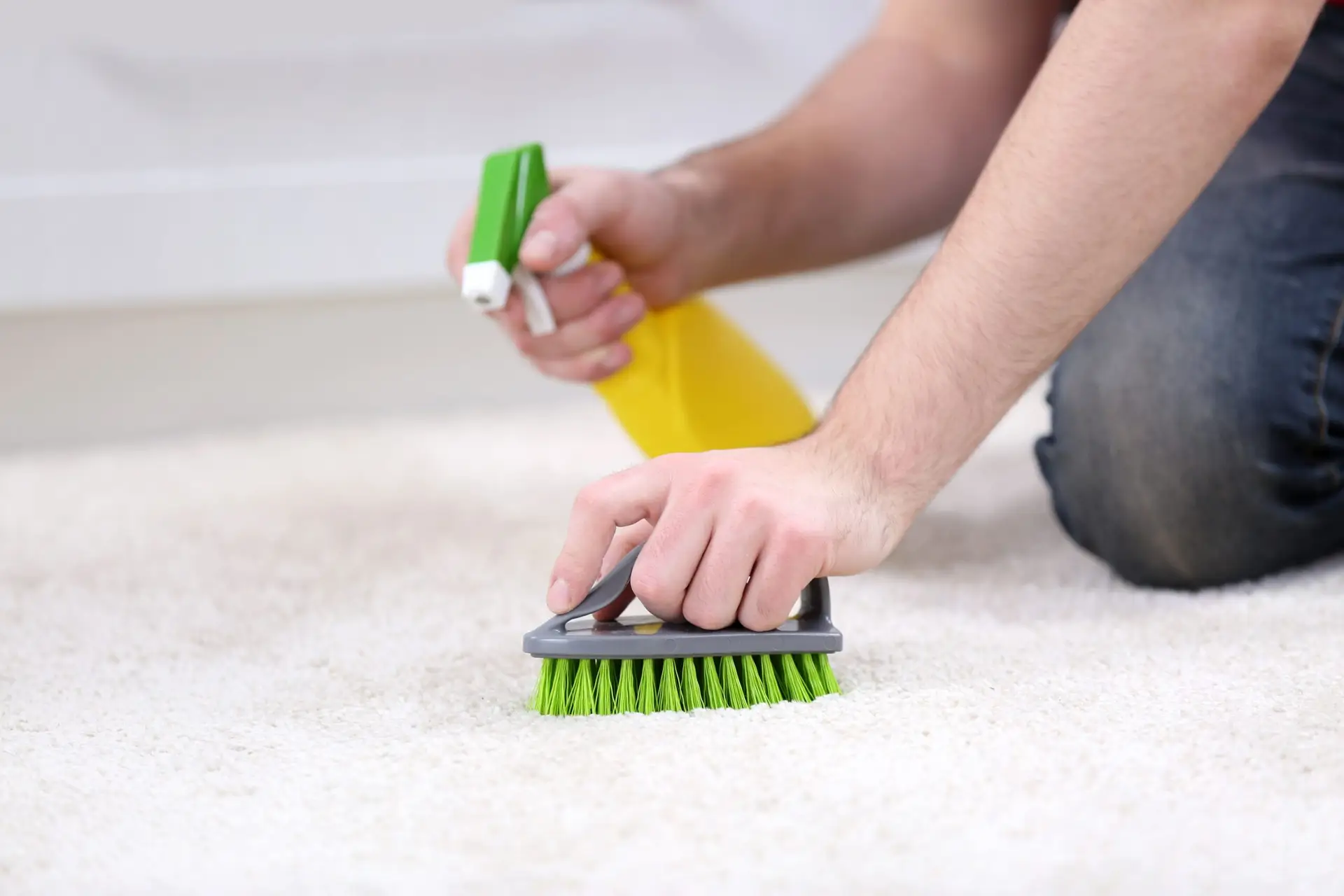
To eliminate stubborn pet odors from upholstery and rugs, locate the exact source, vacuum away loose pet hair and dander, apply a pet-safe enzyme cleaner to break down organic odor molecules at the root, and avoid simply masking smells with heavy artificial fragrances.
Why Pet Odors Stay in Fabric and Rugs
Pet odors persist because urine, oils, dander, and saliva sink deep into porous fibers, carpet backings, and cushion padding. Standard surface sprays only provide a temporary fix because they fail to break down the underlying organic proteins trapped within the fabric.
How to Find the Source of the Odor
Pet beds and favorite resting spots
Removable covers, plush dog beds, and favorite lounging throws absorb body oils and dander over time, becoming primary hotbeds for lingering smells.
Carpet fibers and rug backing
Carpets and area rugs trap fine pet hair and liquid spills deep down near the floor padding, where odors reactivate whenever humidity rises.
Soft furniture and cushions
Fabric sofas, pillows, and accent chairs absorb natural pet scents every time your furry companion curls up for a nap.
Safe Cleaning Methods for Pet Odors
Vacuum thoroughly before deodorizing
Run a HEPA-filtered vacuum across your carpets and upholstered furniture to remove loose hair and trapped debris before applying any liquid cleaners.
Use enzyme cleaners when appropriate
Enzyme-based cleaners contain specialized biological bacteria that actively digest organic proteins, urine crystals, and oils, neutralizing odors permanently rather than covering them up.
Avoid masking odors with heavy fragrance
Relying on heavily scented air fresheners or candles only creates an overpowering mix of chemical perfumes and pet smells without solving the root issue.
What not to use on delicate fabrics
Avoid using harsh chemical bleach, ammonia-based cleaners, or excessive hot water on delicate or wool upholstery, as these substances can strip fabric dyes, ruin fibers, and sometimes even encourage pets to re-mark the area due to chemical components.
How recurring cleaning helps control pet odors
Consistent maintenance prevents pet odors from building up and embedding permanently into your home’s surfaces. Establishing a reliable routine—paired with insights from our guide on How to Keep Your House Clean With Pets—keeps your living space fresh. When routine upkeep isn’t enough to tackle deep-seated smells, pairing ongoing residential cleaning with an intensive deep cleaning resets your home environment completely.
CTA: Keep pet-friendly homes fresher with Clean Day Maids
Frequently Asked Questions
What removes pet odor from fabric?
Enzyme cleaners and targeted baking soda treatments are the most effective solutions because they break down and absorb odor-causing organic molecules trapped inside fabric fibers.
Do enzyme cleaners work on pet smells?
Yes! Enzyme cleaners are specifically formulated to target pet urine, saliva, and dander proteins, dissolving them at a molecular level rather than just masking the scent.
Can baking soda remove pet odors?
Baking soda works wonders for neutralizing dry, surface-level pet odors on rugs and upholstery. Simply sprinkle it generously, let it sit for 30 minutes to absorb smells, and vacuum it up thoroughly.
Why does pet odor come back after cleaning?
Pet odors usually return if the cleaning solution only treated the surface fabric while leaving organic residue trapped deeper down in the cushion foam or carpet backing.
How often should homes with pets be professionally cleaned?
Homes with shedding or active pets benefit most from professional cleaning every 2 to 4 weeks to keep dander, hair, and lingering odors completely under control.