
Quick Answer
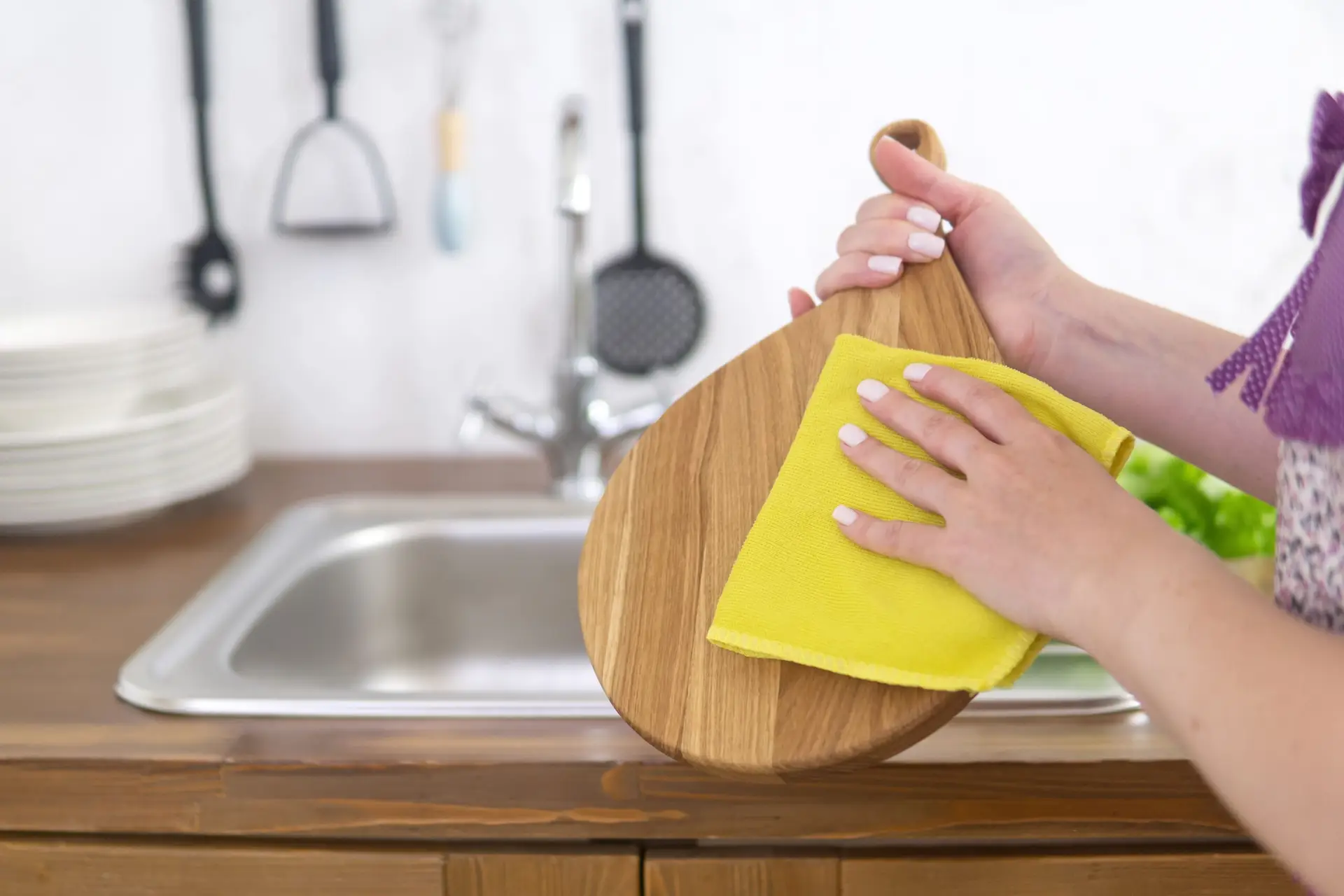
To clean cutting boards effectively while protecting their material, wash plastic boards in hot soapy water or the dishwasher and sanitize them with diluted bleach, whereas wood and bamboo boards should be hand-washed gently, deodorized with lemon and salt, and periodically conditioned with food-grade mineral oil.
Why Cutting Board Material Changes the Method
Wood, bamboo, and plastic possess entirely different porous structures and durability levels. Treating a natural wood board like a plastic one—by soaking it in water or running it through a high-heat dishwasher cycle—will warp, split, and ruin the wood, making material-specific cleaning essential for food safety and longevity.
How to Clean Wood Cutting Boards
Daily cleaning
Never submerge a wood cutting board in water or put it in the dishwasher. Instead, hand-wash it immediately after use using warm water, a sponge, and mild dish soap, then dry it thoroughly with a clean towel and stand it on its side to air dry.
Deodorizing
To eliminate stubborn garlic or onion smells, rub half a lemon and coarse sea salt across the board’s surface, let it sit for 5 minutes, wipe clean with a damp cloth, and dry.
Oil and maintenance
Every few weeks, apply food-safe mineral oil or beeswax to the clean, dry wood to nourish the fibers, prevent moisture absorption, and stop cracking.
How to Clean Plastic Cutting Boards
Dishwasher-safe boards
Most durable plastic and polyethylene cutting boards can safely handle the high heat and sanitation cycles of a commercial or home dishwasher.
Stain removal
For tomato or berry stains, create a paste of baking soda and hydrogen peroxide, rub it onto the stained plastic, let it sit for 10 minutes, and scrub clean.
When to replace them
Plastic boards develop deep knife grooves that harbor bacteria over time. If your plastic board is heavily scored and cannot be sanitized effectively, it is time to replace it.
Bamboo Cutting Board Care
Bamboo is denser than most hardwoods and absorbs less moisture, but it still requires gentle hand-washing. Wash with mild soap and water, dry immediately, and oil it regularly just like traditional wood boards.
Food safety mistakes to avoid
Never use the exact same cutting board for raw meats and fresh produce without thoroughly washing and sanitizing it in between; avoid soaking wooden boards in sinks; and steer clear of harsh abrasive steel wool that gouges plastic surfaces.
How clean kitchen habits support a healthier home
Maintaining immaculate cutting boards is a cornerstone of kitchen hygiene, but keeping your entire cooking environment safe requires a holistic approach. For more tips on kitchen upkeep, explore our guides on proper residential cleaning, essential kitchen hygiene posts, and helpful techniques for water bottle sanitizing.
CTA: Keep kitchens healthier with regular cleaning
Frequently Asked Questions
Are wood cutting boards sanitary?
Yes! Natural woods (like maple and walnut) possess natural antimicrobial properties and microscopic capillary action that draws moisture and bacteria away from the surface, trapping them inside where they eventually die.
Can plastic cutting boards go in the dishwasher?
Most plastic cutting boards are labeled dishwasher-safe, and the high water temperature is excellent for killing trapped surface bacteria.
How do I remove odors from a cutting board?
Scrubbing the board with coarse salt and half a lemon, or wiping it down with a mixture of water and white vinegar, neutralizes stubborn food odors naturally.
When should I replace a cutting board?
Replace plastic cutting boards when deep knife grooves become impossible to sanitize, and replace wooden boards if they develop deep cracks, splits, or structural warping.
What should I use after cutting raw meat?
After handling raw meat, wash the board immediately with hot, soapy water, rinse thoroughly, and sanitize with a mild bleach solution (one tablespoon of bleach per gallon of water) or an approved antibacterial dish soap.