Quick Answer
When comparing a toilet brush and a disposable toilet wand, traditional brushes offer better leverage and long-term value for heavy scrubbing, while disposable wands win on convenience and hygiene since you toss the germ-filled sponge head right after each use.
How Each Toilet Cleaning Tool Works
Traditional toilet brush
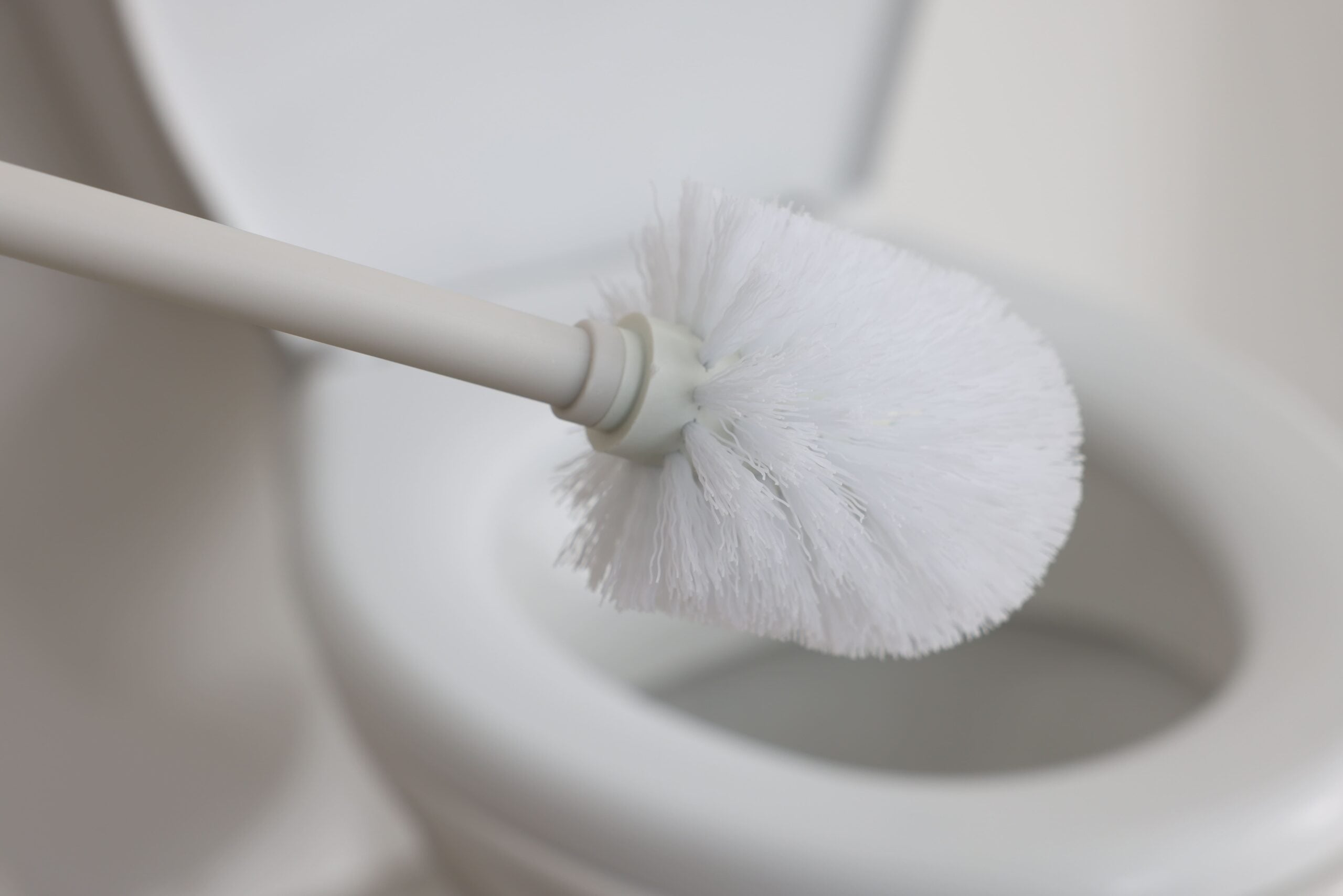
A classic toilet brush features stiff bristles attached to a permanent handle, designed to be stored in a holder after use. It relies on manual scrubbing power and requires thorough rinsing, sanitizing, and air-drying to prevent bacteria growth.
Disposable toilet wand
A disposable wand uses a reusable handle paired with pre-loaded, single-use sponge heads packed with cleaning solution. Once you finish scrubbing the bowl, you eject the dirty pad directly into the trash bin without touching any grime.
Cleaning Power and Hygiene Comparison
Scrubbing ability
Traditional brushes feature dense, sturdy bristles that excel at loosening stubborn mineral rings, hard water stains, and heavy bowl grime. Disposable sponge heads clean well during regular weekly maintenance, but their softer pads can struggle against heavy, encrusted buildup.
Storage and drying
Traditional brushes are notorious for trapping dirty water and moisture inside their enclosed holders, which can breed bacteria and bad odors if not properly dried. Disposable wands eliminate this issue entirely since the soiled cleaning head goes straight into the trash after every use.
Waste and cost
Disposable wands generate ongoing household waste and cost more over time due to constant refills. In contrast, a quality traditional brush is a one-time purchase that lasts for years, provided it is cleaned and disinfected regularly.
Which Tool Should You Use at Home?
If you prioritize maximum hygiene, minimal cleanup, and quick weekly touch-ups, a disposable toilet wand is an excellent choice. If you prefer heavy-duty scrubbing power, eco-friendly reusability, and long-term cost savings, a traditional stiff-bristled brush paired with a ventilated holder remains the top pick.
Mistakes that spread bathroom germs
Storing a dripping, unclean brush back into a stagnant holder, failing to sanitize the brush handle, and using the same toilet cleaning tools on other bathroom surfaces are major ways bacteria spreads throughout the room.
How professional cleaners approach bathroom hygiene
Maintaining a truly immaculate bathroom takes more than just a quick swish of the toilet bowl. For total peace of mind, pairing regular upkeep with our comprehensive residential cleaning and intensive deep cleaning services ensures every corner—including stubborn fixtures and tile grout covered in our bathroom mold content—stays sparkling and sanitized.
CTA: Schedule a professional bathroom cleaning
Frequently Asked Questions
Are disposable toilet wands more sanitary?
Yes, disposable wands are generally considered more sanitary because you throw away the germ-laden sponge head immediately after cleaning, preventing bacteria from sitting in a brush holder.
How often should you replace a toilet brush?
You should replace a traditional plastic toilet brush every 6 months to a year, or immediately if the bristles become frayed, warped, or stained beyond cleaning.
Where should you store a toilet brush?
Store your toilet brush in a well-ventilated holder that allows air circulation so the bristles can dry completely between uses, avoiding enclosed containers that trap stagnant water.
Do toilet wands clean as well as brushes?
Toilet wands clean everyday residue and light stains wonderfully, but traditional stiff-bristled brushes offer superior friction and leverage for tackling heavy mineral buildup.
What do professionals use to clean toilets?
Professional cleaners use commercial-grade disinfectants, specialized bowl cleaners, and heavy-duty brushes or scrub pads to achieve maximum sanitation and shine.