
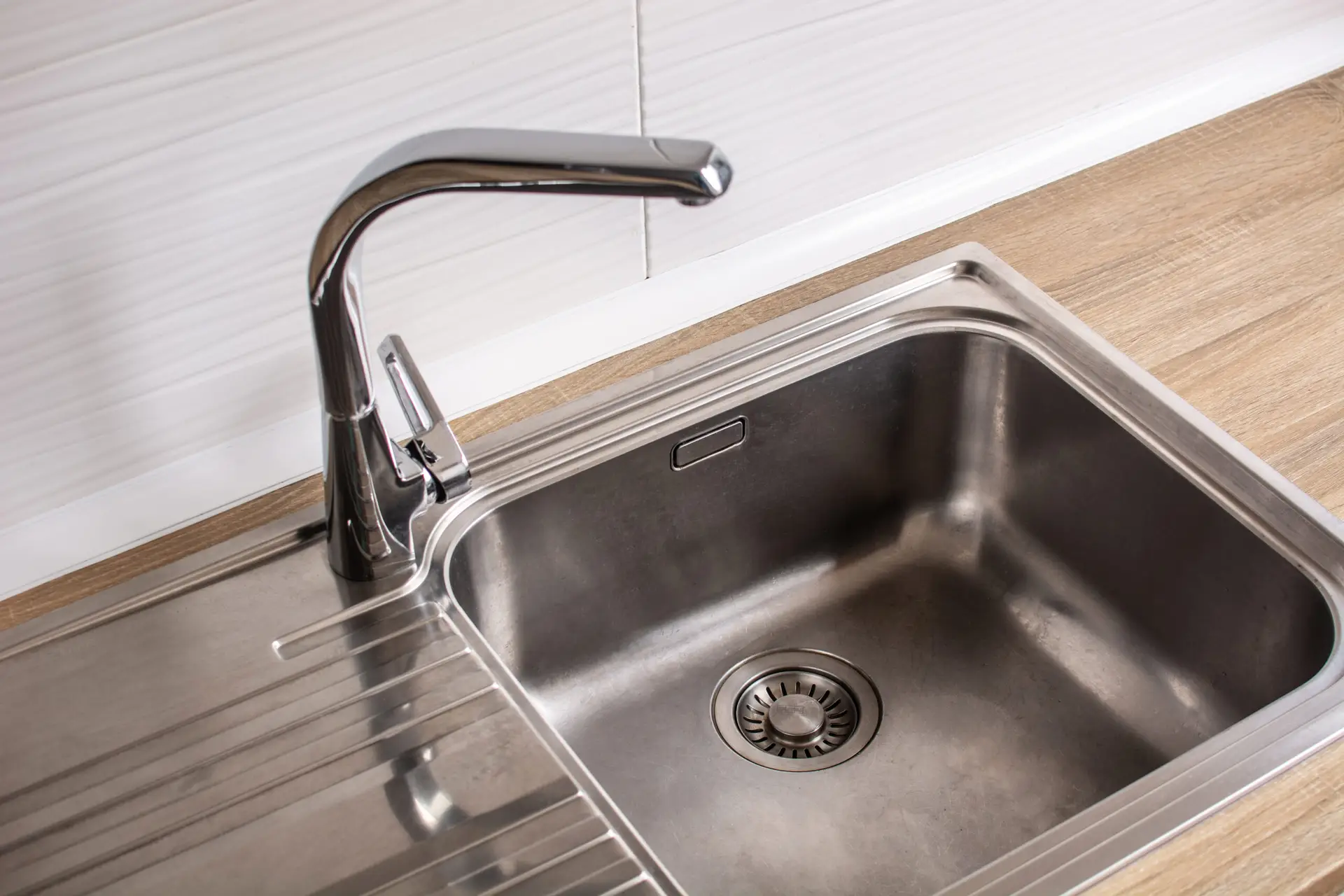
A slow-draining or completely clogged kitchen sink is more than just an inconvenience—it’s a disruption. Unlike bathroom clogs, which are usually hair-related, kitchen sink blockages are typically a thick, sticky mixture of food particles and grease (often referred to in plumbing as FOG: Fats, Oils, and Grease). This means they require specific cleaning agents and methods to dissolve the blockage without damaging your pipes.
Choosing the right drain cleaner is essential for resolving the clog safely and effectively.
Why Kitchen Drains Get Clogged
Understanding the composition of the clog is the first step toward effective removal and long-term prevention.
Food Residue, Grease, and Soap Buildup
The main culprits behind a stubborn kitchen sink blockage are everyday items that solidify inside your drain pipes:
- Fats, Oils, and Grease (FOG): Even small amounts of cooking oil poured down the drain cool down and solidify when they hit the colder water and pipes. This sticky grease is the foundation of most clogs.
- Starchy Food Particles: Items like rice, pasta, potato peels, and ground-up coffee particles often get stuck in the greasy layer, causing a blockage that traps water.
- Soap and Detergents: Many dish soaps and detergents contain fats, which can react with hard water minerals to form a greasy, sticky film called “soap scum.” This film coats the interior of the pipes, narrowing the opening and accelerating the buildup of FOG.
How to Prevent Slow Drains Before They Start
Prevention is the single most effective “drain cleaner” you can use.
- Scrape Plates Thoroughly: Scrape all solid food waste into the trash or compost before rinsing dishes. Do not rely on your garbage disposal to handle large amounts of food waste.
- Filter Grease: Never pour cooking grease (bacon fat, chicken fat, etc.) down the sink. Pour hot grease into a container, let it cool and solidify, and then toss the container in the trash.
- Use a Strainer: Place a mesh strainer over the drain opening to catch small particles, coffee grounds, and stray food bits. Empty the strainer into the trash frequently.
Top Drain Cleaning Solutions
Commercial drain cleaners are categorized based on their mechanism: safe, slow-acting enzymes, or fast, corrosive chemicals.
Enzyme-Based Cleaners for Safe, Regular Use
Enzyme cleaners are non-corrosive, non-caustic, and are the ideal solution for regular maintenance and slow-draining sinks.
- How They Work: These cleaners contain live bacteria that produce enzymes. These enzymes actively “eat” (break down) organic materials like grease, food waste, and soap scum, turning them into water and harmless waste that can be flushed away.
- Safety and Environment: They are completely safe for all types of plumbing, including PVC and old metal pipes, and they are excellent for septic systems. They work best when left overnight (at least 6-8 hours) when the drain is not in use.
- Best Use Case: Routine monthly maintenance to prevent clogs and remedy early signs of a slow drain.
Chemical Drain Openers for Heavy Clogs (with Cautions)
Chemical cleaners should be considered an emergency last resort due to their corrosive nature and potential for long-term pipe damage.
- How They Work: These cleaners typically contain powerful, caustic ingredients like lye (sodium hydroxide) or sulfuric acid. They work by generating heat to chemically dissolve the organic matter in the clog very quickly.
- The Risks:
- Pipe Damage: The heat and corrosive action can soften PVC pipes, crack porcelain, and damage older, metal drain pipes, leading to leaks or complete failure.
- Toxicity: They produce toxic fumes. Always ensure excellent ventilation and wear gloves and eye protection when handling.
- Hazardous Buildup: If the chemical cleaner fails to clear the clog, the standing pool of corrosive material is highly dangerous for you or a plumber to handle.
- Best Use Case: Absolute emergency when all other methods (plunger, DIY methods) have failed. Follow instructions meticulously and never mix different chemical cleaners.
DIY Methods to Unclog a Kitchen Sink
These methods are safe, readily available, and should always be attempted before resorting to corrosive chemicals.
Baking Soda and Vinegar Reaction
This popular combination is safe, non-toxic, and effective for clearing minor blockages and freshening the drain.
- Preparation: Pour about a 1/2 cup of baking soda directly down the drain.
- Reaction: Follow immediately with 1/2 cup of white vinegar.
- Plug and Wait: Quickly place the drain stopper over the opening to contain the foaming chemical reaction inside the pipe. This helps the reaction work directly on the clog.
- Flush: Let it sit for at least 30 minutes (or up to an hour for heavy clogs). Follow up by pouring a large kettle of boiling water down the drain to flush out the debris.
Boiling Water and Salt Trick
This method works to soften and dislodge grease before a plunger or snake is needed.
- Initial Flush: Pour 1 cup of table salt down the drain.
- Softening: Boil a large kettle (at least 2 quarts) of water.
- Application: Slowly pour the boiling water down the drain. The salt acts as a gentle abrasive against the pipe walls, while the high heat melts the solidified grease.
- Caution: This method is safe for metal pipes and most newer, heat-resistant PVC. Do not use this method if your sink is connected to a worn, old, or poorly maintained plastic pipe system, as extreme heat can cause cracking.
Maintenance Tips
A consistent, simple maintenance routine is the best way to avoid the headache of a full clog.
Avoid Pouring Grease or Coffee Grounds
These are the most damaging items for your plumbing system.
- Coffee Grounds: While they seem like a fine powder, coffee grounds do not dissolve. They clump together, trapping grease, and act like concrete when stuck in a pipe bend. Always trash or compost coffee grounds.
- Liquids are Deceiving: Remember that any oil that is liquid when hot (like cooking oil) will solidify when cool. The only liquids that should go down the drain are water and water-soluble waste.
Run Hot Water Weekly to Clear Residue
A simple weekly flush can make a significant difference in preventing sticky buildup.
- The Ritual: Once a week, after you are finished using the sink for the night, run the hottest water from your faucet for about two to three minutes.
- Purpose: This raises the internal pipe temperature, softening any latent FOG and soap scum before it hardens, allowing the water flow to push it through the main sewer line.
FAQs
Is it safe to use bleach in my kitchen drain?
No, it is not recommended. Bleach (sodium hypochlorite) is primarily a disinfectant, not a clog remover. It does not effectively dissolve grease or food particles. Furthermore, bleach becomes highly toxic and dangerous if it comes into contact with other chemicals, such as ammonia-based cleaners or some acidic chemical drain openers that may already be lingering in your pipe. Stick to dedicated enzyme or DIY solutions.
How often should I clean my drain?
The frequency depends on your usage:
- Preventive Maintenance: Use an enzyme-based cleaner or the baking soda/vinegar method once a month. This keeps the pipe walls clear and fresh.
- Slow Drains: Immediately use the baking soda/vinegar method or a plunger when you first notice water draining slowly. Addressing it early prevents the issue from escalating into a full blockage.
Don’t wait for a costly plumbing emergency. If your sink is still draining slowly after using DIY methods, it likely indicates a deeper clog or a failing garbage disposal that requires professional attention. Contact us today for a full drain inspection and guaranteed clog removal!