Discovering dark, unsightly spots in your shower or catching a whiff of that distinct, musty odor can instantly ruin the relaxing atmosphere of your home sanctuary. These fungi thrive in damp, humid environments, making your restroom their ideal breeding ground, but understanding how to effectively remove them is essential for maintaining a healthy and hygienic living space.
Ignoring the problem will only allow the spores to spread rapidly, potentially damaging your grout, staining your caulk, and posing respiratory risks to your family members. Fortunately, with the right techniques, a bit of patience, and a consistent routine, you can master the art of restoration and keep your surfaces pristine without the need for expensive renovations.
Understanding the Fungal Foe
Before diving into the physical work, it is crucial to understand exactly what you are fighting to ensure your bathroom mold and mildew scrubbing is effective. Although they are often mentioned interchangeably, mold and mildew are distinct fungi that require specific attention. Mildew is typically a surface fungus that appears gray or white and grows in a flat pattern. It is generally easier to treat because it does not penetrate deep into surfaces.
Conversely, mold is often darker—usually black, green, or red—and can appear fuzzy or slimy. Mold has a complex root system that can dig deep into porous materials like grout, drywall, and wood, making it significantly more stubborn. Therefore, effective bathroom mold and mildew scrubbing requires a strategy that addresses both the surface-level growth and the deeper roots to prevent rapid regrowth.
5 Ways to Master Bathroom Cleaning and Restoration
When you are ready to tackle the grime, having a variety of methods at your disposal ensures you can handle any surface, from delicate ceramic tiles to hardy fiberglass tubs. Here are five distinct approaches to ensure your bathroom mold and mildew scrubbing yields professional-grade results.
1. The White Vinegar Soak
White distilled vinegar is a powerhouse in the world of eco-friendly bathroom cleaning. Because it is mildly acidic, it creates an environment where most mold species cannot survive. For effective bathroom mold and mildew scrubbing, do not dilute the vinegar.
- Application: Pour it directly into a spray bottle and saturate the affected areas heavily.
- Dwell Time: Let the vinegar sit for at least one hour. This waiting period is critical because the acid needs time to break down the membrane of the mold spores.
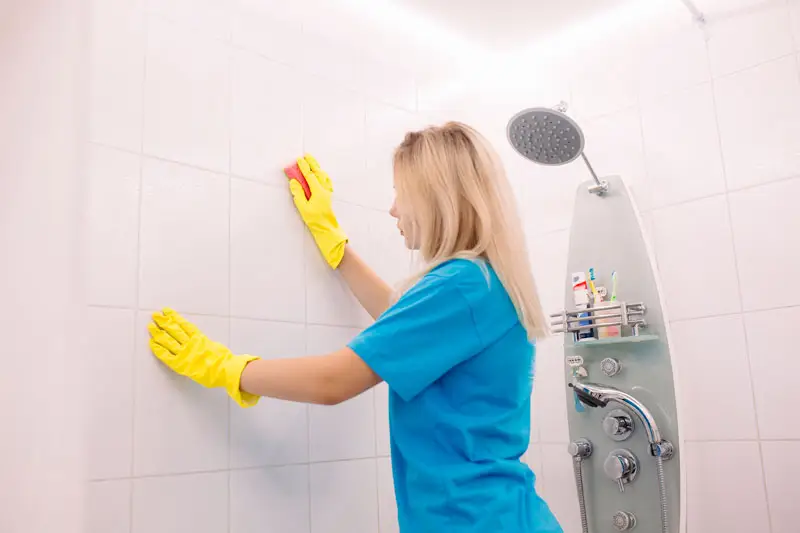
- The Scrub: After the hour has passed, use a stiff-bristle brush for the actual bathroom mold and mildew scrubbing. You will find that the grime lifts much easier than if you had scrubbed immediately.
- Rinse: Rinse the area with hot water and wipe it dry with a microfiber cloth to remove any lingering spores.
2. The Baking Soda Paste Method
While vinegar kills the fungus, baking soda is excellent for lifting the stains left behind. It acts as a mild abrasive that physically removes the debris without scratching most surfaces. This method is particularly useful when your bathroom mold and mildew scrubbing involves stained grout lines.
To utilize this method effectively:
- Combine baking soda with a small amount of water to create a thick, spreadable paste.
- Apply this paste directly to the grout lines or tile surfaces.
- For enhanced bathroom mold and mildew scrubbing, spray the paste with a little vinegar, causing a bubbling reaction that helps loosen dirt.
- Allow this mixture to dry completely.
- Once dry, scrub vigorously with a brush to reveal whiter, brighter grout.
3. Hydrogen Peroxide Treatment
If the smell of vinegar is too pungent for your liking, hydrogen peroxide is a fantastic alternative for bathroom mold and mildew scrubbing. It is an anti-fungal, anti-viral, and anti-bacterial solution that is safe to use on various surfaces.
Use a 3% concentration solution, which is standard in most pharmacies. Spray the solution generously over the moldy areas and let it sit for about 10 to 15 minutes. You should see it fizzing slightly as it comes into contact with the organic matter. This chemical reaction is doing the heavy lifting for you. Afterward, proceed with your bathroom mold and mildew scrubbing using a scouring pad or brush. This method is also excellent for brightening surfaces, acting as a mild bleach without the harsh fumes of chlorine.
4. Utilizing Tea Tree Oil
For a more natural, aromatic approach, tea tree oil is a potent fungicide. While it is more expensive than vinegar or baking soda, a little goes a long way in your bathroom mold and mildew scrubbing routine.
Mix one teaspoon of tea tree oil with one cup of water in a spray bottle. Shake well to combine and spray onto the mold. The distinct advantage here is that you do not need to rinse it off. In fact, leaving the oil on the surface helps prevent future spores from settling. However, if there is visible debris, you should still perform the physical bathroom mold and mildew scrubbing to remove the biomass before applying a final “leave-on” layer of the solution.
5. Steam Cleaning for Deep Penetration
Sometimes, chemical solutions cannot reach deep enough into the pores of the grout. This is where steam cleaning becomes a game-changer for bathroom mold and mildew scrubbing. The high temperature of the steam (usually above 200°F) kills mold spores on contact and penetrates deep into cracks and crevices.
Direct the steam nozzle at the grout lines and move slowly. The heat will liquefy soap scum and kill the fungus simultaneously. Follow the steam immediately with a clean cloth to wipe away the loosened grime. This is one of the most sanitary ways to perform bathroom mold and mildew scrubbing because it relies solely on heat and water, eliminating the need for harsh chemicals entirely.
The Importance of Grout Maintenance
One of the biggest challenges in bathroom mold and mildew scrubbing is dealing with grout. Because grout is a porous material, it absorbs moisture, soap scum, and body oils, creating a perfect buffet for mold spores.
If you find that standard bathroom mold and mildew scrubbing is not restoring your grout to its original color, the sealant may have worn off. Grout sealant acts as a protective barrier, preventing moisture from penetrating the cement. Once you have completed a deep clean and the grout is fully dry, applying a new layer of sealant is highly recommended. This simple step can significantly reduce the frequency with which you need to perform heavy-duty bathroom mold and mildew scrubbing in the future.
Essential Tools for the Job
To ensure your bathroom mold and mildew scrubbing is efficient, you need the right tools. Using the wrong equipment can make the job twice as hard or even damage your fixtures.
- Grout Brush: A narrow, stiff-bristled brush designed specifically to fit into grout lines is essential for effective bathroom mold and mildew scrubbing.
- Squeegee: Essential for daily maintenance, but also useful for moving cleaning solutions across large tiled areas.
- Microfiber Cloths: These trap spores rather than just spreading them around during your bathroom mold and mildew scrubbing sessions.
- Protective Gear: Always wear gloves and a mask to avoid inhaling spores or irritating your skin with cleaning agents.
- Old Toothbrush: Perfect for tight corners around faucets and drain covers where larger brushes cannot reach.
The Role of Ventilation
You can perform the most thorough bathroom mold and mildew scrubbing in the world, but if you do not address ventilation, the problem will return within days. Mold requires moisture to survive, and bathrooms are naturally humid. Therefore, controlling the humidity is the ultimate preventative measure.
Ensure your exhaust fan is working correctly and is powerful enough for the size of your room. Run the fan during your shower and for at least 30 minutes afterward. If you do not have a fan, open a window to allow cross-ventilation. Additionally, keeping the shower door or curtain open after use allows air to circulate, drying out the surfaces you just worked so hard to clean.
Addressing Porous vs. Non-Porous Surfaces
The difficulty of bathroom mold and mildew scrubbing largely depends on the surface material. Non-porous surfaces like glazed tile, fiberglass, and porcelain are relatively easy to clean because the mold sits on top. A simple wipe and scrub usually suffice.
However, porous materials like unsealed stone, grout, and drywall present a bigger challenge. The “roots” of the mold grow into the pores. When performing bathroom mold and mildew scrubbing on porous surfaces, you must use a solution that can soak in (like vinegar or hydrogen peroxide) rather than just a surface cleaner. If the mold has penetrated deep into the drywall or silicone caulk, scrubbing may not be enough; you might need to replace the caulk or patch the drywall to completely eradicate the infestation.
Safety First: When to Call for Help
While most bathroom mold and mildew scrubbing can be handled as a DIY project, there are instances where the infestation is too severe. If the mold covers a large area (typically larger than 10 square feet), or if you suspect it is toxic black mold (Stachybotrys chartarum), it is safer to consult a professional.
Furthermore, if you experience severe allergic reactions—such as coughing, sneezing, or eye irritation—whenever you attempt bathroom mold and mildew scrubbing, it is a sign that you should step back. Your health is more important than a spotless shower. For more detailed information on the health implications of mold exposure, you can refer to the EPA’s guide to mold cleanup. However, for routine maintenance and standard buildup, the methods outlined above are safe and effective.
Reclaiming Your Sanctuary
Maintaining a pristine home requires dedication, but the reward is a safe and relaxing environment for you and your family. By implementing these strategies, you ensure that your restroom remains a hygienic retreat rather than a source of stress. Regular maintenance is key; the more frequently you address the moisture and perform a light clean, the less often you will need to engage in heavy-duty bathroom mold and mildew scrubbing.