
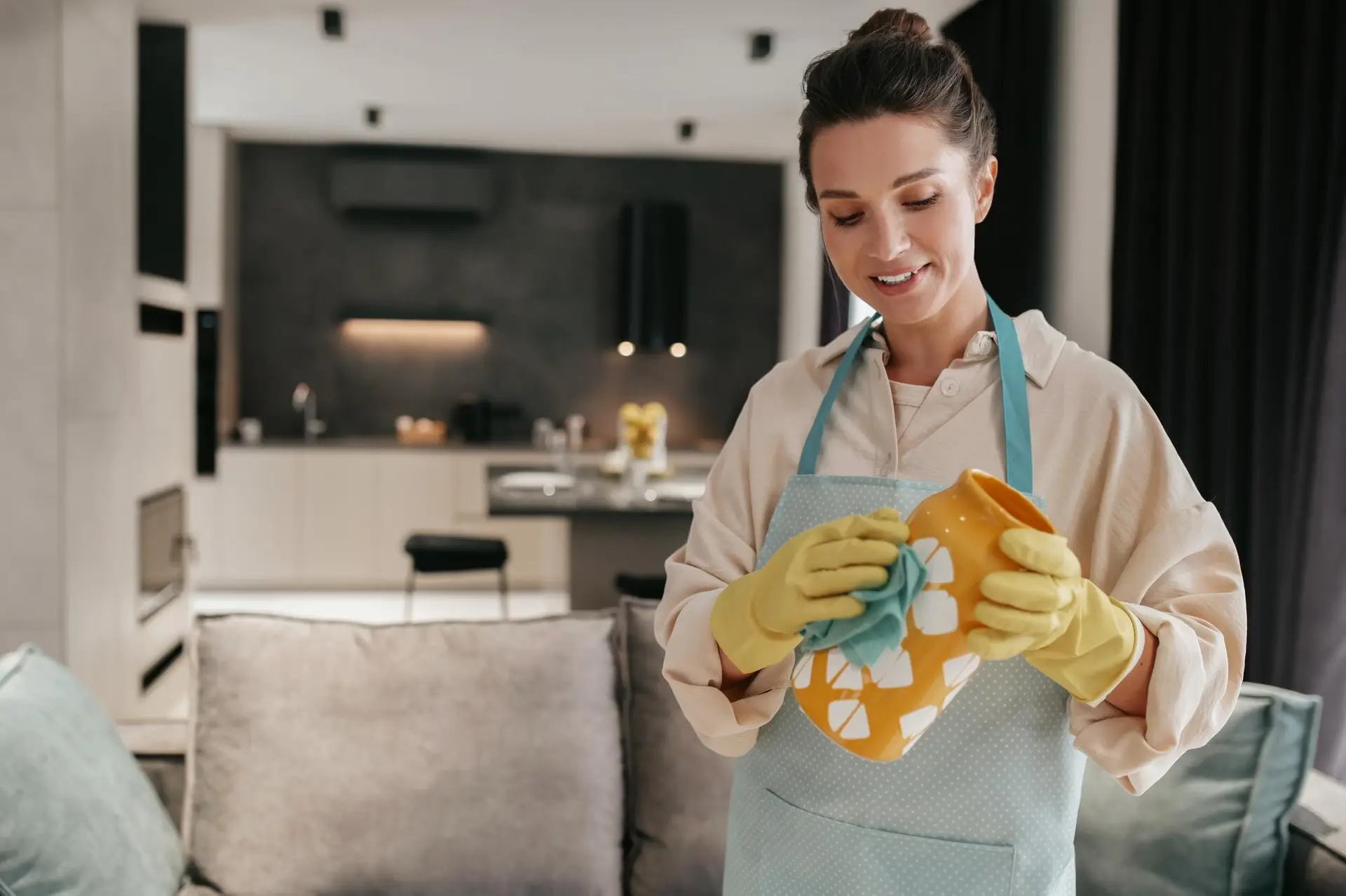
The air inside your home is often more polluted than the air outside. Dust mites, pet dander, mold spores, and chemical residues accumulate on surfaces, fabrics, and inside ductwork over time. For families in Maryland, DC, and Virginia, where seasonal allergies are already a challenge, indoor air quality directly affects daily comfort and long-term health. Recurring home cleaning is one of the most effective ways to control these invisible pollutants before they reach levels that cause symptoms.
This is not about having a house that looks clean on the surface. It is about creating an environment where your family breathes better, sleeps more soundly, and gets sick less often throughout the year. Professional cleaning targets the biological and chemical contaminants that build up between sessions, keeping them below the thresholds that trigger respiratory problems and allergic reactions.
Indoor Air Quality Is Worse Than Most Families Realize
Most families assume their home air is safe because it smells fine and looks clear. However, the reality is quite different. According to the EPA introduction to indoor air quality, indoor air can contain two to five times more pollutants than outdoor air. In some cases, concentrations reach 100 times higher than what you breathe outside.
Common indoor pollutants include:
- Dust mite waste. These microscopic creatures live in carpets, upholstery, and bedding. Their waste particles become airborne when disturbed by walking, sitting, or vacuuming with inadequate equipment. They trigger allergic reactions and asthma symptoms.
- Pet dander. Even homes without visible pet hair contain microscopic skin particles from dogs and cats. These particles embed deep in fabrics and continuously recirculate through HVAC systems.
- Mold spores. Bathrooms, kitchens, basements, and areas around windows where condensation forms all harbor mold growth. Spores travel through the air and affect every room.
- Volatile organic compounds. Cleaning products, air fresheners, paint, and furniture off-gassing release chemicals that linger in sealed indoor environments for days or weeks.
Recurring home cleaning addresses each of these pollutant categories through consistent removal. A home cleaned only once a month allows these contaminants to reach levels that affect sensitive family members. In contrast, a home cleaned weekly or bi-weekly keeps them suppressed below symptom-triggering thresholds.
Dust Mites: The Invisible Allergen in Every Room
Dust mites are the most common indoor allergen trigger in American homes. They thrive in warm, humid environments and feed on the dead skin cells that humans shed daily. Consequently, a single mattress can contain tens of thousands of dust mites that produce waste continuously.
According to the American Lung Association dust mite resources, dust mite allergens are a significant trigger for asthma and allergic rhinitis. Symptoms include sneezing, runny nose, itchy eyes, coughing, and difficulty breathing, especially at night.
Professional cleaning controls dust mites through several proven methods:
- Regular vacuuming with HEPA filtration. Standard vacuums miss particles smaller than 10 microns. HEPA-filter vacuums trap 99.97% of particles down to 0.3 microns, which includes dust mite waste and dander.
- Upholstery and fabric care. Professional vacuuming of sofas, chairs, and mattresses removes embedded allergens that surface cleaning with household tools cannot reach.
- Consistent dusting with microfiber. Microfiber cloths trap particles instead of spreading them to other surfaces. Regular dusting prevents accumulation on shelves, electronics, and horizontal surfaces throughout the home.
- Bedding maintenance. Weekly sheet changes combined with periodic mattress vacuuming disrupt the mite life cycle and reduce their population significantly over time.
Without consistent professional attention, dust mite populations grow unchecked between cleanings. The longer the interval, the higher the allergen load in your living spaces. A weekly cleaning service is the most effective frequency for homes with allergy sufferers.
Mold Prevention Through Consistent Maintenance
Mold grows wherever moisture lingers without adequate ventilation. In Maryland and Virginia, seasonal humidity creates ideal conditions for mold growth in bathrooms, kitchens, basements, and laundry rooms throughout much of the year. Once established, mold spores become airborne and circulate through your HVAC system, reaching every room in the house.
Health effects of mold exposure range from mild nasal congestion and eye irritation to serious respiratory infections, depending on the individual’s sensitivity and the type of mold present. Children, elderly family members, and anyone with asthma face elevated risk.
Professional cleaning prevents mold through consistent attention to moisture-prone areas:
- Bathroom surface maintenance. Regular scrubbing of shower walls, grout lines, and caulking removes mold at the earliest stages before it establishes visible colonies or penetrates porous materials.
- Moisture identification. Trained cleaning teams recognize standing water, condensation buildup, and poor ventilation during each visit. They can alert you to developing problems before they become costly.
- Kitchen sanitation. Wiping down sinks, countertops, and appliance seals prevents food residue from feeding mold growth in warm, moist environments.
- Baseboard and corner attention. These low areas collect moisture that evaporates slowly, creating hidden mold zones that homeowners rarely check.
A single deep cleaning session removes existing mold effectively. However, recurring home cleaning prevents it from returning by maintaining dry, sanitized surfaces consistently. For homes with chronic moisture issues, a combination of deep cleaning and regular maintenance visits provides the strongest ongoing protection.
Pet Dander Management for Healthier Indoor Air
Approximately 67% of American households have at least one pet, and the DMV region is no exception. Families with dogs and cats face constant dander accumulation that affects indoor air quality significantly. Pet dander is not simply fur or hair. It includes microscopic skin flakes, saliva proteins, and urine particles that embed deep in carpets, furniture fibers, and clothing.
Even homes where pets are restricted from certain rooms still have dander distributed throughout the house. HVAC systems pick up particles from pet-occupied rooms and distribute them through supply vents into every space.
Professional cleaning manages pet dander through targeted, consistent practices:
- Frequent vacuuming of all floor types. Carpets hold dander deep in fibers where surface cleaning cannot reach. Hard floors accumulate it along edges, under furniture, and in corners.
- Upholstery vacuuming. Sofas and chairs where pets sit, or that family members use after handling pets, collect significant dander deposits that become airborne when disturbed.
- HVAC vent cleaning. Wiping supply and return vents during each visit reduces the total amount of dander recirculated by the heating and cooling system.
- Fabric refreshing. Regular cleaning of throw blankets, pet beds, and cushion covers reduces the overall reservoir of allergens available in the home environment.
For homes with pets, bi-weekly professional cleaning is the minimum effective frequency for controlling dander. Homes with multiple pets or family members with allergies benefit substantially from weekly service. Our bi-weekly cleaning plans include pet-focused tasks as part of the standard checklist.
VOC Reduction Through Safer Product Choices
Many common household cleaning products contain volatile organic compounds that irritate airways and accumulate in indoor air over time. When windows stay closed during winter heating season or summer air conditioning, these chemicals linger for hours or even days after use.
Professional cleaning addresses this problem in two important ways:
- Using low-VOC, eco-friendly products. Professional-grade green cleaning products deliver effective sanitation without releasing harmful fumes into your living space.
- Reducing the need for harsh chemicals entirely. When a home is maintained consistently through regular cleaning, there is significantly less buildup to remove. This means fewer aggressive products are ever needed, and gentle maintenance solutions handle the job effectively.
Homes that go weeks without professional cleaning often require strong degreasers, bleach-based mold killers, and heavy-duty scrubbing compounds. In contrast, homes with consistent professional attention rarely need anything beyond mild, eco-friendly solutions that protect both surfaces and indoor air quality.
Seasonal Allergy Challenges in the DMV Region
Maryland, DC, and Virginia experience aggressive allergy seasons that compound indoor pollutant problems. Tree pollen peaks from March through May. Grass pollen follows from May through July. Ragweed dominates from August through the first frost in autumn.
Pollen enters homes through open windows, on clothing, on shoes, and on pets. Once inside, it settles on every horizontal surface and becomes airborne again when disturbed by foot traffic, HVAC airflow, or cleaning with inadequate tools.
Professional cleaning during allergy season provides specific, measurable benefits:
- Removing pollen from floors, countertops, and horizontal surfaces before it becomes airborne again.
- Vacuuming entry areas where pollen concentrations are highest throughout the day.
- Cleaning surfaces that family members touch after spending time outdoors.
- Maintaining HVAC filter cleanliness so the system filters pollen rather than distributing it.
Families in Silver Spring, Bethesda, Rockville, Gaithersburg, Arlington, and Alexandria experience some of the highest pollen counts in the Mid-Atlantic region. Consequently, recurring home cleaning during peak season makes a measurable difference in daily symptom severity for allergy sufferers.
How Cleaning Frequency Affects Health Outcomes
The relationship between cleaning frequency and indoor health is direct and measurable. More frequent professional cleaning means lower contaminant levels at all times.
Weekly cleaning keeps dust mite allergens below symptom-triggering thresholds, prevents mold from establishing visible growth, maintains pet dander at manageable levels, and minimizes VOC exposure because only mild products are needed.
Bi-weekly cleaning allows slight accumulation between visits but resets contaminant levels before they reach problematic concentrations. Bathrooms stay mold-free with proper ventilation between sessions. Most families without severe allergies maintain comfortable indoor air quality on this schedule.
Monthly cleaning allows allergen levels to rise significantly between visits. Mold can begin forming in bathrooms and kitchens during the gap. Homes with pets experience noticeable dander accumulation. Stronger cleaning products become necessary, which increases VOC exposure.
For families with asthma, allergies, or young children, weekly or bi-weekly professional cleaning delivers the most meaningful health protection available through household maintenance.
Breathe Easier Starting This Week
Recurring home cleaning is a health strategy, not just a convenience or luxury. It controls the allergens, mold spores, pet dander, and chemical residues that compromise indoor air quality day after day. For families in Maryland, DC, and Virginia, where seasonal allergies compound indoor pollutant exposure throughout much of the year, consistent professional cleaning provides measurable relief. Our residential cleaning services are designed to deliver exactly this level of protection, visit after visit, season after season.