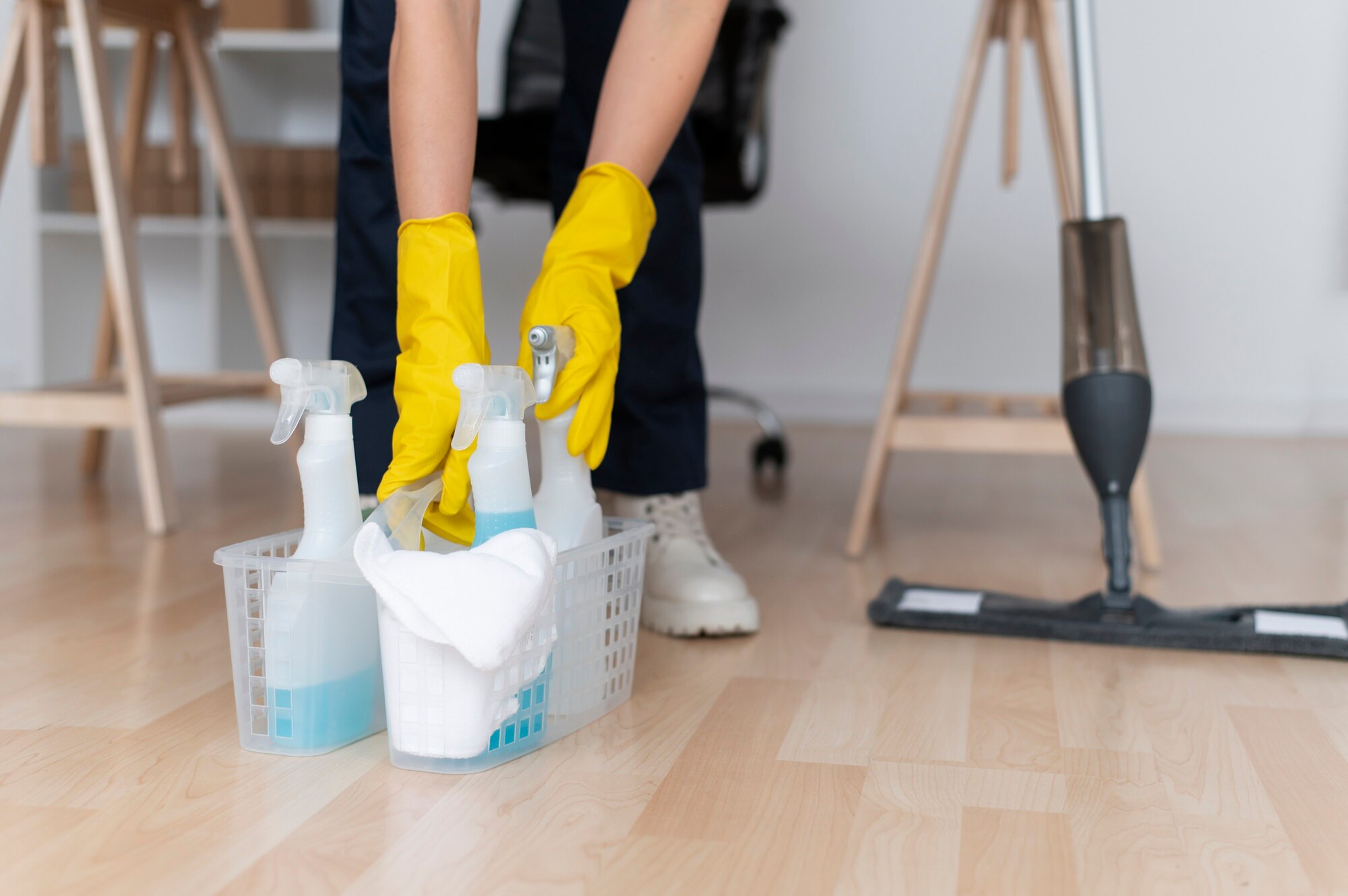
Hardwood floors add warmth, character, and significant resale value to any home. However, the finish that protects the wood is surprisingly fragile. Grit from shoes acts like sandpaper with every step. Excess water warps boards from underneath. The wrong cleaning product strips the protective coating gradually. Following the right hardwood floor cleaning tips prevents this damage and keeps the finish intact for decades.
This guide covers daily habits, weekly routines, safe products, seasonal care, and the specific mistakes that ruin hardwood faster than normal wear. Homeowners in Maryland, DC, and Virginia deal with seasonal humidity swings between summer and winter that make proper care especially important. These six hardwood floor cleaning tips protect your floors through every season of the year.
1. Daily Habits That Prevent Micro-Damage
The most effective daily care is also the simplest. Small habits prevent the micro-damage that accumulates into visible wear over months and years of daily foot traffic.
Sweep or dust mop every day in high-traffic areas. Grit, sand, and small debris are the number one cause of finish damage on hardwood floors. Every time someone walks across a dirty floor, particles grind against the surface like sandpaper. A daily sweep with a soft-bristle broom or a microfiber dust mop removes these abrasives before they cause scratches.
Use a microfiber dust mop instead of a traditional broom when possible. Microfiber captures particles instead of pushing them around the room. Standard brooms scatter fine dust and miss small grit that causes the most damage.
Wipe spills immediately. Water is hardwood’s greatest threat. Any liquid left standing on the surface can seep between boards, swell the wood, and stain the finish permanently. Wipe spills within minutes using a clean, dry cloth. Do not spray water to dilute the spill. Simply blot and dry completely.
Use doormats at every entrance. The dirt that damages floors comes from outside your home. Place a coarse-textured mat outside each door and a soft, absorbent mat inside. This two-mat system catches most debris before it reaches the hardwood. During Maryland and Virginia winters, doormats also trap road salt that causes white residue and finish deterioration.
Attach felt pads to all furniture legs. Chairs, tables, and sofas scratch hardwood when moved even slightly. Felt pads create a buffer between furniture and the floor. Check pads monthly and replace them when they wear thin or collect grit underneath. Among all hardwood floor cleaning tips, this one prevents the most common type of visible damage in every home.
2. Weekly Mopping: The Right Way
Weekly cleaning removes the buildup that daily sweeping misses. The key rule for hardwood floor cleaning tips at the weekly level is simple: less water, more technique.
Vacuum before mopping. Use a vacuum with a hard floor setting or a dedicated hard floor attachment. Turn off the beater bar completely. Beater bars are designed for carpet and will scratch hardwood finishes with every pass. Vacuum in the direction of the wood grain to pull debris from between boards effectively.
Damp mop, never wet mop. The difference between damp and wet determines whether your floors stay healthy or start warping. A damp mop has been wrung out until it is barely moist. A wet mop leaves puddles that damage hardwood.
Weekly mopping routine:
- Vacuum or dust mop the entire floor first to remove all loose debris and grit.
- Apply a pH-neutral hardwood floor cleaner in a light mist directly onto the floor. Do not soak the surface.
- Mop in the direction of the grain using a flat microfiber mop head.
- Work in small sections. Do not let the cleaner sit on the surface for extended periods.
- Allow the floor to air dry. It should dry within one to two minutes. If it takes longer, you used too much liquid.
Our weekly cleaning service follows this exact method for every hardwood floor in your home.
3. Hardwood Floor Cleaning Tips: Products That Protect vs Products That Destroy
Choosing the wrong cleaner is the second most common cause of finish damage after water exposure. Product selection is one of the hardwood floor cleaning tips with the highest long-term impact on your floors.
Safe products:
- pH-neutral hardwood floor cleaners specifically formulated for finished wood. Bona, Method Wood Floor, and similar products are designed for this purpose.
- Manufacturer-recommended cleaners for your specific floor brand and finish type.
- Diluted dish soap in very small amounts, one to two drops per gallon, for occasional deeper cleaning when needed.
Products to never use on hardwood:
- Vinegar or vinegar-based solutions. Vinegar is acidic and degrades polyurethane finishes with repeated use. This is one of the most common misconceptions about natural cleaning.
- Steam mops. The heat and moisture penetrate the finish and swell the wood beneath the surface.
- Ammonia-based cleaners. They strip the finish and leave the wood completely unprotected.
- Oil soap or wax products on polyurethane-finished floors. They create a residue buildup that dulls the surface and interferes with future refinishing.
- All-purpose cleaners not labeled for wood. Products like Pine-Sol, Mr. Clean, or Fabuloso can damage the finish with regular use.
One wrong product used weekly for a year can require a full refinishing job costing thousands of dollars. Always verify that any product you use is safe for your specific floor type and finish.
4. Seasonal Care for Maryland, DC, and Virginia Homes
Maryland, DC, and Virginia homes experience significant humidity changes between seasons. Summer humidity can exceed 70%. Winter heating drops indoor humidity below 30%. Hardwood expands in humid conditions and contracts in dry ones. These fluctuations cause gaps between boards, squeaking, and cupping if not managed properly.
Summer hardwood floor cleaning tips:
- Run a dehumidifier to keep indoor humidity between 35% and 55% throughout the warm months.
- Clean more frequently during summer. Humidity makes floors feel sticky and holds dust against the surface.
- Check for cupping, where board edges rise higher than the center. This indicates excess moisture absorption.
- Wipe any condensation that forms near floor-level windows or exterior doors before it drips onto the wood.
Winter hardwood floor cleaning tips:
- Run a humidifier to prevent indoor humidity from dropping below 35% during heating season.
- Watch for gaps appearing between boards. Small seasonal gaps are normal, but widening gaps indicate the air is too dry for the wood.
- Clean salt tracked in from outside immediately. Salt is corrosive and leaves white residue that damages finish permanently. Use a cloth dampened with plain water to wipe salt spots on contact.
- Place waterproof mats inside entryways during snow and rain seasons for protection.
Seasonal deep care tasks, twice per year:
- Move all furniture and clean the entire floor, including areas normally covered by sofas and tables.
- Inspect the finish for wear in high-traffic areas. Hallways and kitchen pathways show wear first as dull spots where the sheen has faded.
- Clean floor vents and the surrounding floor area where dust concentrates heavily.
- Check felt pads on all furniture and replace any that have worn thin or collected grit.
For thorough seasonal maintenance, our deep cleaning service includes moving furniture, cleaning underneath, and treating the entire hardwood surface professionally.
5. Common Mistakes That Ruin Hardwood Floors
Knowing what to avoid matters as much as knowing what to do. These mistakes cause the most damage to hardwood floors in homes across the DMV region:
- Using a steam mop. Steam forces moisture through the finish and into the wood. It causes clouding, warping, and delamination of the surface layer.
- Soaking the floor with a wet mop. Even with the right cleaner, too much liquid damages wood. The mop should always be barely damp, never dripping.
- Letting pet water bowls sit directly on the floor. Place bowls on a waterproof mat. Chronic water exposure creates dark stains that penetrate the wood permanently.
- Dragging furniture instead of lifting. Even with felt pads, dragging creates concentrated pressure that gouges the finish in visible lines.
- Wearing high heels or cleats indoors. Pointed heels exert enormous pressure per square inch on the floor. They dent hardwood instantly with every step.
- Skipping the vacuum before mopping. Grit under a wet mop acts like sandpaper against the finish, creating micro-scratches with every pass.
- Using vinegar as a regular cleaner. It works safely on many surfaces, but it slowly dissolves polyurethane with repeated weekly use over months.
6. When to Call a Professional
Some hardwood floor issues go beyond what cleaning can fix. Recognizing these situations early saves money and prevents further damage.
- Deep scratches that expose raw wood beneath the finish need spot refinishing by a professional.
- Widespread dullness across high-traffic areas indicates the finish has worn through completely. The floor needs screening and recoating.
- Water damage causing dark stains or warped boards requires professional assessment and possible board replacement.
- Sticky residue from years of wrong product buildup may need professional stripping before a new coat can be applied.
For ongoing maintenance that prevents these expensive problems, our bi-weekly cleaning service keeps hardwood floors properly maintained with correct products and techniques. For homes that need a full reset, our residential cleaning team handles every surface type appropriately.
Floors That Look New for Decades
The best hardwood floor cleaning tips are simple: remove grit daily, use minimal water, choose the right products, and control indoor humidity through every season. These habits protect the finish that protects the wood underneath. When the finish stays intact, the floor stays beautiful.