
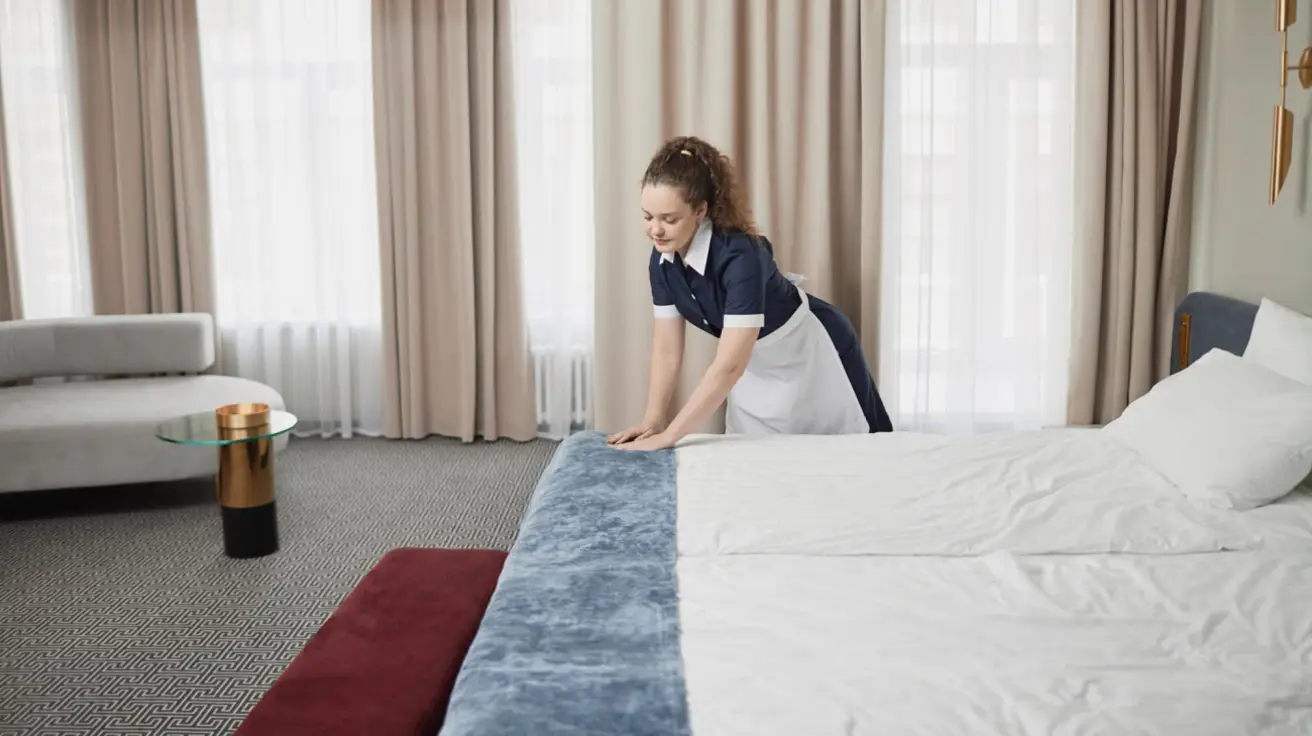
Sleep quality influences energy, mood, immune health, and daily productivity. Many people focus on mattresses, pillows, and supplements when trying to improve rest. However, environmental cleanliness plays a major role in how well the body relaxes and recovers overnight. A well-maintained home reduces airborne irritants, lowers stress triggers, and supports the body’s natural sleep cycles.
Following strong clean home sleep benefits strategies helps create an environment where the brain and body can fully relax. When homes stay consistently clean, breathing improves, visual stress decreases, and sleep routines become easier to maintain. Over time, households that prioritize cleanliness often experience more consistent and deeper sleep patterns.
Why Home Environment Directly Impacts Sleep Quality
Indoor environments influence how easily the body enters restorative sleep stages. Dust particles, allergens, and clutter create subtle stress signals that prevent full relaxation. Even if people do not consciously notice these factors, the nervous system still reacts to them.
Applying clean home sleep benefits routines helps reduce environmental stressors. Lower dust levels support easier breathing. Cleaner surfaces reduce exposure to irritants. Organized spaces reduce mental stimulation before bedtime. When combined, these factors create a sleep-friendly atmosphere.
Another key factor is air freshness. Poor indoor air circulation can cause nighttime congestion, dry throat symptoms, and restless sleep. Maintaining cleanliness supports healthier airflow and improves nighttime comfort.
The Relationship Between Clean Spaces and Mental Relaxation
Visual clutter increases cognitive load. When the brain processes visual mess, it stays in alert mode longer. Clean, organized spaces signal safety and calmness to the brain.
Important habits that support clean home sleep benefits include:
- Maintaining clean bedding and sleep fabrics
- Keeping bedroom surfaces dust free
- Reducing visual clutter in sleep areas
- Supporting fresh indoor air circulation
- Keeping floors and soft surfaces clean
Because the brain connects the environment with safety, cleaner environments naturally support deeper sleep cycles.
Bedroom Cleaning as the First Priority for Better Rest
Bedrooms should be treated as recovery environments. Dust, skin cells, and fabric fibers accumulate quickly in sleeping areas. Without consistent cleaning, these particles circulate in breathing zones during sleep.
Important bedroom cleaning tasks include:
- Washing bedding weekly
- Vacuuming mattresses regularly
- Dusting nightstands and lamps
- Cleaning rugs and carpets
- Wiping headboards and bed frames
Applying clean home sleep benefits in bedrooms improves breathing comfort and reduces nighttime allergy symptoms.
Consistent bedroom maintenance is one of the fastest ways to improve sleep quality naturally.
How Recurring Cleaning Supports Long-Term Sleep Improvement
Recurring cleaning prevents buildup rather than reacting to it. When cleaning schedules remain consistent, indoor contaminants never reach high concentration levels.
Following clean home sleep benefits through recurring cleaning routines helps maintain stable indoor environments. Instead of large cleaning sessions, smaller regular maintenance keeps sleep environments balanced.
Recurring cleaning also supports emotional comfort. Entering a clean bedroom every night creates psychological cues that help the body prepare for sleep.
Reducing Evening Stress Through Home Organization
Stress is one of the most common causes of poor sleep. Cluttered spaces increase cortisol levels and make relaxation more difficult. Even small cleaning actions before bedtime can improve mental calmness.
Helpful stress-reduction cleaning habits include:
- Clearing bedside clutter
- Organizing clothing and laundry
- Keeping floors clear
- Resetting sleep spaces each evening
When households follow clean home sleep benefits, evening environments become more calming and predictable.
The Role of Evening Cleaning Routines in Sleep Preparation
Small nighttime cleaning routines create transition signals between active daytime hours and sleep preparation time. These signals help the brain slow down.
Simple evening habits include:
- Wiping kitchen counters
- Putting away daily clutter
- Emptying trash bins
- Preparing bedroom environments
Applying clean home sleep benefits through evening routines helps reinforce healthy sleep patterns over time.
Consistency is more important than intensity. Small daily habits produce long-term sleep improvements.
Fabric Hygiene and Allergen Control for Better Sleep
Fabrics trap airborne particles, skin cells, and allergens. Without proper cleaning, these contaminants re-enter the air during movement.
Important fabric cleaning priorities include:
- Cleaning pillows and pillowcases frequently
- Washing mattress protectors
- Cleaning curtains and drapes
- Vacuuming upholstered furniture
Following clean home sleep benefits in fabric maintenance supports cleaner breathing zones during sleep.
Fabric hygiene is especially important for allergy-sensitive individuals and pet owners.
Whole-Home Cleaning and Its Impact on Sleep Quality
Sleep quality does not depend only on bedroom cleanliness. Whole-home cleanliness influences indoor air quality and mental comfort.
Whole-home cleaning supports sleep by improving:
- Air circulation quality
- Allergen control levels
- Stress reduction
- Bedroom contamination prevention
Using clean home sleep benefits across the entire home creates stable indoor air and reduces nighttime irritants.
Long-Term Bedroom Maintenance for Sustainable Sleep Health
Sleep improvements occur when cleaning habits remain consistent. Occasional deep cleaning helps, but daily and weekly routines create lasting results.
Helpful long-term bedroom habits include:
- Weekly bedding washing
- Monthly mattress vacuuming
- Frequent dust removal
- Seasonal deep cleaning
Following clean home sleep benefits long term supports stable sleep quality and reduces environmental sleep disruptions.
Signs Your Home Environment May Be Affecting Sleep
Many sleep issues have environmental triggers. Improving cleanliness often helps reduce these symptoms.
Common warning signs include:
- Waking with nasal congestion
- Dust buildup near sleeping areas
- Persistent bedroom odors
- Nighttime allergy symptoms
- Morning throat dryness
When these appear, applying clean home sleep benefits may help improve rest quality.
Who Experiences the Biggest Sleep Improvements From Cleaner Homes
Some households benefit more due to higher exposure to indoor contaminants.
High-impact groups include:
- Families with children
- Pet owners
- Remote workers
- Allergy-sensitive individuals
- Busy professionals
These groups benefit significantly from following clean home sleep benefits because they spend more time indoors.
Building a Sleep-Friendly Home Environment Year-Round
Sleep quality improves when environmental cleanliness becomes part of lifestyle routines. Preventive cleaning is more effective than occasional deep cleaning.
When households consistently apply clean home sleep benefits, they support better breathing, lower stress levels, and more consistent sleep cycles. Over time, these routines improve daily energy, focus, and overall wellness.Strong home hygiene habits help maintain predictable sleep environments. Following consistent clean home sleep benefits supports cleaner air, calmer spaces, and deeper rest. Long term, households that maintain structured cleaning routines experience more stable sleep quality and healthier living environments throughout the year.