
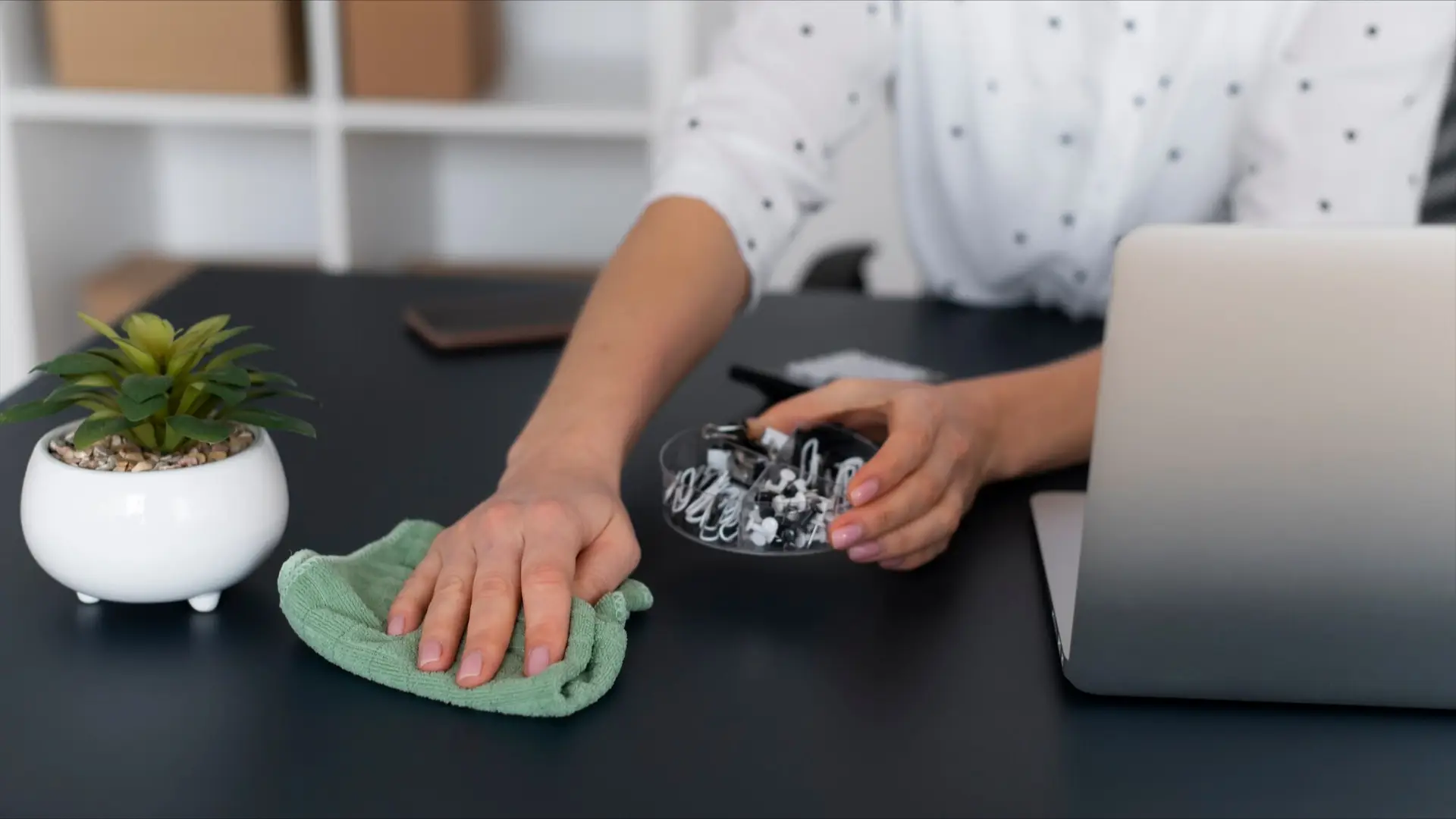
Allergy season often feels like an outdoor problem. However, many allergy symptoms actually begin inside the home. Sneezing, congestion, itchy eyes, and sinus pressure frequently come from indoor dust exposure. Because of this, building strong indoor cleaning habits is one of the most effective ways to improve daily comfort and respiratory health.
Following consistent dust control at home routines helps reduce airborne allergens, improve indoor air quality, and support healthier breathing. When homes actively reduce dust accumulation, families and busy professionals often experience fewer allergy triggers and more consistent comfort throughout the year. Over time, maintaining cleaner air indoors can also support better sleep quality and overall wellness.
Why Indoor Dust Becomes a Major Allergy Trigger
Outdoor allergens enter homes through clothing, shoes, pets, and open windows. Once inside, these particles mix with indoor dust made of fabric fibers, skin cells, and dust mite waste. Without consistent cleaning, these particles circulate repeatedly through air movement and daily activity.
Using dust control at home strategies helps stop this cycle. Instead of allowing dust to settle and recirculate, structured cleaning removes particles before they become airborne again. Preventive dust removal also reduces long-term buildup in fabrics, vents, and hidden surfaces.
Another important factor is humidity. Moist environments allow dust mites to multiply. Maintaining clean, dry environments helps reduce these microscopic allergen sources.
How Detailed Dust Removal Improves Indoor Air Quality
Standard surface cleaning often removes visible dust but leaves behind microscopic particles. Detailed cleaning focuses on deep dust removal across multiple surfaces and air pathways.
Benefits of applying strong dust control at home habits include:
- Lower airborne allergen levels
- Improved breathing comfort
- Cleaner indoor air circulation
- Reduced dust accumulation on fabrics
- Less overall dust movement inside the home
Because dust spreads easily through air and movement, consistency is more important than occasional deep cleaning.
Starting With Top-Down Cleaning for Maximum Effectiveness
Dust naturally falls downward. Cleaning low surfaces first often leads to recontamination when higher surfaces release particles later.
Important high-dust surfaces include:
- Ceiling fans
- Door frames
- Air vents
- Light fixtures
- Window trim
Following dust control at home using top-down cleaning prevents already-clean areas from becoming dusty again.
Professional cleaners always follow this order because it produces longer-lasting results.
Using Microfiber and HEPA Tools for Better Dust Capture
Traditional feather dusters often push dust into the air rather than trapping it. Modern cleaning tools help capture particles instead of redistributing them.
Effective dust removal tools include:
- Microfiber cloths
- HEPA-filter vacuum systems
- Electrostatic dusters
- Soft brush vacuum attachments
Using these tools supports dust control at home by physically trapping particles instead of moving them between surfaces.
HEPA filtration is especially helpful for allergy-sensitive households.
Fabric Cleaning as a Major Dust Reduction Strategy
Fabrics act like dust storage areas. Upholstery, curtains, bedding, and rugs hold airborne particles that re-enter the air when disturbed.
Important fabric cleaning priorities include:
- Washing bedding weekly
- Cleaning pillows and mattress covers
- Vacuuming upholstered furniture
- Cleaning curtains and drapes
- Deep cleaning area rugs
Following dust control at home through fabric maintenance significantly improves indoor air quality.
Cleaner fabrics also support better breathing during sleep hours.
Air System Maintenance and Vent Cleaning
HVAC systems move air throughout the home. Without maintenance, they can also spread dust continuously.
Important air cleaning tasks include:
- Cleaning air vents and covers
- Replacing HVAC filters regularly
- Dusting ceiling fan blades
- Vacuuming air return vents
Applying dust control at home through air system cleaning helps reduce dust circulation across rooms.
Maintaining filters is one of the easiest ways to improve indoor air quality quickly.
Hidden Dust Zones That Impact Whole-Home Air Quality
Dust often builds in hidden areas that are rarely cleaned. Unfortunately, airflow and movement eventually release these particles.
Common hidden dust zones include:
- Under furniture
- Behind appliances
- Closet floor corners
- Storage shelving
Using dust control at home for hidden zones dramatically reduces recurring dust problems.
Hidden dust removal is especially important during seasonal deep cleaning cycles.
Floor and Baseboard Dust Removal for Complete Coverage
Floors collect airborne dust that settles throughout the day. Without consistent cleaning, walking movement redistributes dust into the air.
Important floor cleaning actions include:
- Vacuuming carpet edges
- Mopping hard floors
- Cleaning baseboards
- Spot cleaning corners
Following dust control at home for floor cleaning improves total home air quality.
Floor cleaning is especially important in high-traffic family homes.
Seasonal Deep Dust Cleaning for Long-Term Results
Seasonal deep cleaning removes buildup that daily cleaning misses. This helps reset indoor air quality and prevents long-term accumulation.
Seasonal dust cleaning should focus on:
- Baseboards and trim
- Window tracks
- Closet storage areas
- Under heavy furniture
Applying dust control at home seasonally supports long-term allergen reduction.
Daily Habits That Support Dust Prevention
Small daily habits help prevent dust from building up quickly.
Helpful daily habits include:
- Removing shoes at entry points
- Wiping surfaces regularly
- Washing bedding weekly
- Vacuuming high-traffic areas
Using daily routines alongside dust control at home helps maintain cleaner environments consistently.
Prevention reduces the need for heavy deep cleaning later.
Signs Your Home May Need Stronger Dust Removal
Certain signs indicate dust levels may be higher than normal.
Common warning signs include:
- Dust returning quickly after cleaning
- Increased indoor allergy symptoms
- Musty or dusty odors
- Visible dust near vents
When these signs appear, strengthening dust control at home routines can restore comfort.
Who Benefits Most From Strong Dust Reduction Routines
Some homes naturally collect more dust due to lifestyle or environment.
High-benefit households include:
- Allergy-sensitive individuals
- Pet owners
- Remote workers
- Homes with carpeting
- Homes with heavy outdoor traffic
For these households, consistent dust control at home helps maintain healthier indoor air quality.
Building a Long-Term Indoor Air Quality Strategy
Healthy indoor air requires consistent cleaning rather than occasional deep cleaning. Preventive dust removal creates stable indoor environments and reduces long-term allergen exposure.
When households maintain consistent dust control at home, they often experience improved breathing, better comfort, and fewer allergy symptoms. Cleaner air also supports better sleep and improved daily energy levels.Strong home cleaning routines support healthier living spaces year-round. Following structured dust control at home habits helps reduce allergens, improve air quality, and maintain cleaner indoor environments. Over time, consistent dust control at home practices help families maintain healthier homes, better breathing comfort, and improved daily wellness across every season.