Most homeowners clean surfaces because they want their home to look good. But real maintenance goes far beyond appearance. Proper cleaning protects floors, countertops, cabinets, and high-touch areas from scratches, moisture damage, and long-term wear. Every day, homes collect dust, sand, moisture, and residue from shoes, pets, and normal daily living. Without consistent maintenance, these particles slowly damage finishes and shorten material lifespan.
Following consistent home surface care routines helps extend the life of flooring, stone, wood, and high-use surfaces. When cleaning is done regularly and with the right products, materials stay stronger, maintain their shine, and require fewer repairs. Over time, homes that prioritize proper surface maintenance tend to hold their value better and avoid expensive replacements.
Why Surface Maintenance Protects Long-Term Home Value
Most damage does not happen suddenly. It happens slowly. Microscopic debris from outside acts like sandpaper on floor finishes. Even when surfaces look clean, fine particles can scratch coatings and dull shine.
Strong cleaning routines reduce friction damage and protect protective coatings. Removing dirt early prevents small scratches from turning into visible wear patterns. This is especially important for hardwood, laminate, and luxury vinyl surfaces.
Moisture is another major risk. Water that stays on surfaces can seep into seams and weaken materials. Consistent drying habits are a major part of effective home surface care and help prevent slow, hidden damage.
The Most Common Causes of Surface Damage at Home
Many homeowners focus only on visible dirt. However, invisible particles often cause the most long-term damage.
Common risks include:
- Outdoor dirt tracked indoors
- Pet hair and dander buildup
- Moisture from shoes or spills
- Harsh cleaning chemicals
- Inconsistent cleaning routines
Avoiding these risks through strong home surface care helps protect floors and surfaces from early wear.
Daily Habits That Protect Surfaces the Most
Daily cleaning creates the strongest protection against long-term damage. While deep cleaning is helpful occasionally, daily maintenance prevents constant surface wear.
Removing dust and grit daily reduces scratching and finish dullness. High-traffic zones need extra attention because they collect the most debris.
Daily focus areas usually include:
- Entryways
- Hallways
- Kitchen walk paths
- Living room walk zones
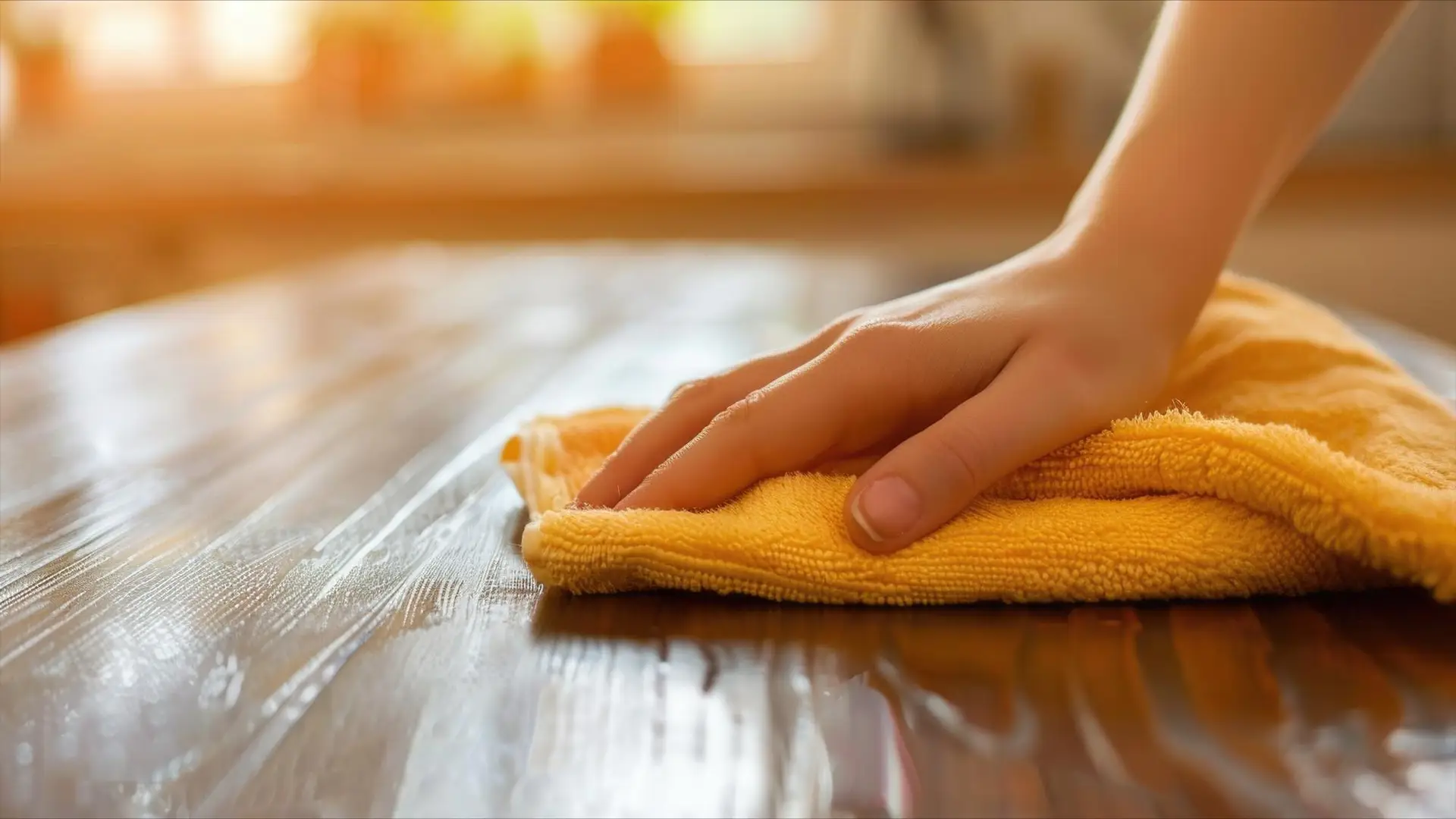
Using microfiber tools improves results because microfiber captures fine particles instead of pushing them around, which supports better home surface care outcomes.
Quick Spill Cleanup Prevents Permanent Damage
Spills are one of the fastest ways to damage surfaces. Liquids can cause staining, swelling, or finish breakdown if left sitting too long.
Helpful spill response habits include:
- Blotting liquids quickly
- Avoiding spreading moisture
- Using surface-safe cleaners
Fast response supports home surface care by preventing moisture from penetrating below the surface layer.
Entryway Protection Makes a Huge Difference
Entryways are the main entry point for dirt and moisture. Most contamination enters homes through shoes.
Using entry mats reduces debris spread. Many homes benefit from a two-mat system:
- Outdoor mat removes large debris
- Indoor mat absorbs moisture
Entry protection is one of the simplest ways to strengthen home surface care routines.
Weekly Cleaning Strengthens Surface Protection
Weekly cleaning removes buildup that daily cleaning may miss. It also keeps hygiene consistent across all surfaces.
Using correct tools is important. Wrong tools can damage finishes.
Helpful weekly habits include:
- Using floor-safe vacuum attachments
- Using damp mops instead of soaking wet mops
- Changing cleaning water frequently
- Using surface-specific cleaning products
Weekly routines strengthen home surface care and help prevent long-term surface wear.
Cleaning Edges and Corners Prevents Hidden Damage
Dust collects along edges where normal cleaning may miss. Over time, this debris spreads back into open areas.
Important edge cleaning zones include:
- Baseboards
- Under furniture edges
- Behind doors
- Cabinet toe kick areas
Cleaning these areas supports complete home surface care coverage.
Hardwood Surface Protection Requires Gentle Methods
Hardwood floors need careful cleaning because wood reacts to moisture and strong chemicals.
Safe hardwood habits include:
- Using pH-neutral cleaners
- Avoiding steam cleaning
- Drying floors quickly after mopping
Following safe hardwood cleaning supports proper home surface care by preventing warping and finish breakdown.
Preventing Dull Floors From Cleaner Residue
Sometimes floors look dull not because of wear, but because of product residue buildup. Using too much cleaner can leave films that trap dirt.
Controlling product use supports home surface care by preserving natural shine and finish clarity.
Tile and Stone Surfaces Need Grout Maintenance
Tile and stone are durable, but grout needs attention. Without maintenance, grout absorbs moisture and stains easily.
Important grout habits include:
- Using soft cleaning brushes
- Avoiding acidic cleaners on stone
- Rinsing surfaces after cleaning
Grout maintenance plays an important role in long-term home surface care.
Kitchen Surfaces Need Consistent Cleaning
Kitchens deal with grease, moisture, and food residue daily. Without routine cleaning, sticky buildup forms quickly.
Important kitchen cleaning zones include:
- Cabinet fronts
- Backsplashes
- Counter edges
- Appliance handles
Maintaining kitchen surfaces supports strong home surface care and prevents permanent residue buildup.
Bathroom Surface Protection Requires Moisture Control
Bathrooms combine humidity, soap residue, and standing water exposure. Without consistent cleaning, surfaces break down faster.
Important bathroom habits include:
- Running ventilation fans
- Drying floors after showers
- Cleaning grout weekly
Moisture control is a major part of effective home surface care and prevents long-term damage.
When Professional Cleaning Helps Protect Surfaces
Some contamination sits below visible layers. Professional cleaning can remove deep residue and restore surface appearance.
Professional cleaning often helps with:
- Deep grout cleaning
- Residue removal
- Hardwood restoration
- High-traffic surface recovery
Professional services strengthen home surface care when buildup becomes difficult to remove.
Eco-Friendly Cleaning Products Help Protect Finishes
Safer cleaning products reduce chemical residue and protect coatings. Harsh chemicals can weaken finishes over time.
Benefits include:
- Lower residue buildup
- Better indoor air quality
- Less surface damage
Safer product use supports long-term home surface care.
Warning Signs Your Cleaning Routine Needs Adjustment
Some signs show cleaning routines may need improvement.
Common warning signs include:
- Dull floors after cleaning
- Sticky residue feeling
- Dark grout discoloration
- Surface haze
Fixing these issues improves overall home surface care results.
Seasonal Deep Cleaning Helps Reset Surfaces
Seasonal cleaning removes buildup missed during regular cleaning and prepares surfaces for weather changes.
Seasonal tasks often include:
- Deep floor washing
- Grout deep cleaning
- Sealant inspection
- High-traffic surface restoration
Seasonal routines strengthen home surface care by restoring protection levels.
Furniture Protection Helps Prevent Floor Damage
Furniture movement and pressure can cause scratching and dents. Simple protection steps reduce long-term damage.
Helpful furniture habits include:
- Using furniture pads
- Rotating rugs periodically
- Cleaning under furniture regularly
Furniture protection supports complete home surface care strategies.
Why Consistency Matters More Than Deep Cleaning
Consistency matters more than occasional deep cleaning. Small daily habits prevent major long-term problems.
Long-term benefits include:
- Longer surface lifespan
- Lower repair costs
- Better indoor air quality
- Improved home appearance
Consistent home surface care protects both home function and property value.
Building a Long-Term Surface Protection Strategy
Strong protection comes from routine habits, not occasional heavy cleaning. Small actions create stronger long-term results.
Following consistent home surface care helps protect floors, maintain finishes, and reduce long-term wear. Over time, structured cleaning habits create healthier indoor environments and protect home investment.
Homes that prioritize proper home surface care maintain better material condition, better appearance, and stronger durability throughout every season.