
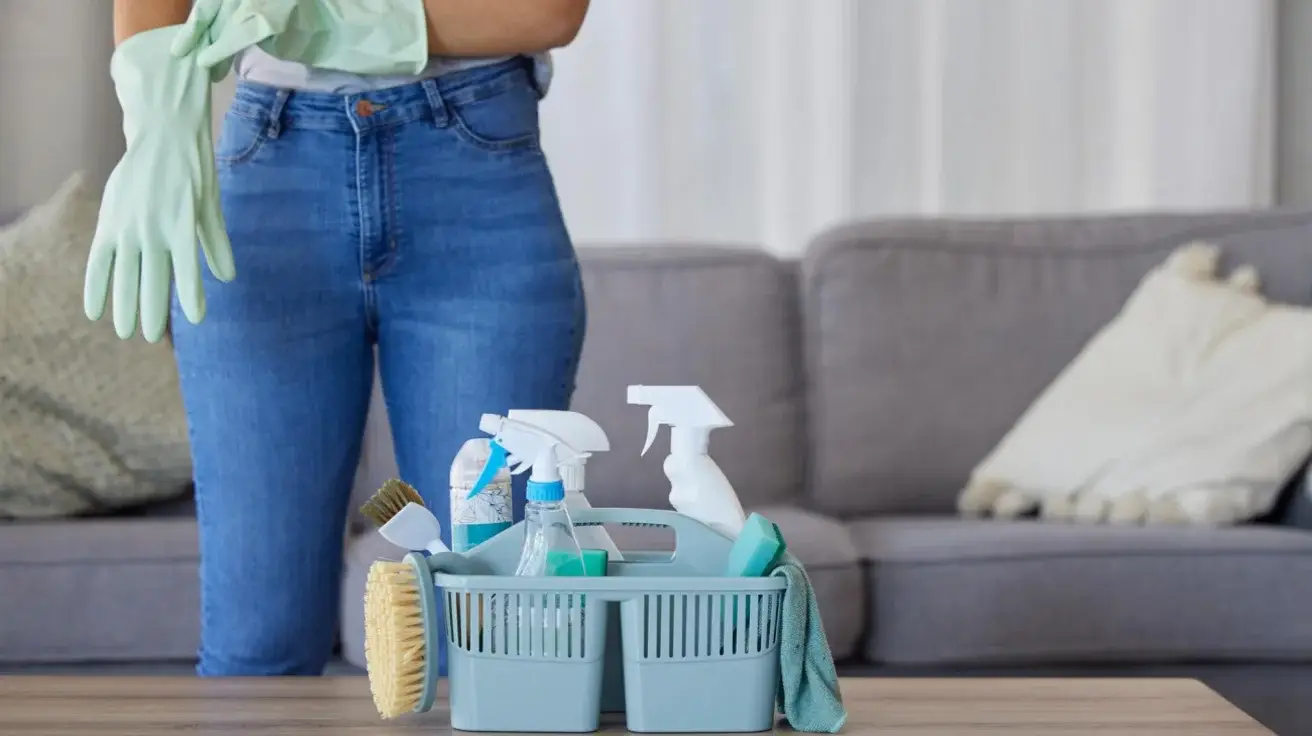
Stress is something nearly everyone experiences. Between work deadlines, family responsibilities, and the constant hum of daily life, it can feel like there is never enough time to relax. What many people do not realize is that cleaning and stress relief are deeply connected. A clean home can genuinely calm your mind and improve your overall well-being.
The science behind this connection is straightforward. Clutter and mess create visual noise that increases cortisol levels, the body’s primary stress hormone. When your surroundings are clean and organized, your brain can relax. Clean Day Maids has seen this transformation firsthand with families and professionals across Maryland, DC, and Virginia. Here are five powerful ways that cleaning reduces daily stress.
The Science Behind a Calm Home Environment
Research from multiple universities has shown that people who describe their homes as cluttered or messy report higher levels of stress and fatigue. In contrast, those who describe their homes as clean and organized report better mood and more restful sleep. The mental health benefits of a clean space are well documented.
Furthermore, the act of cleaning itself can be meditative. Repetitive tasks like wiping surfaces, folding laundry, and vacuuming allow your mind to focus on a simple activity rather than racing thoughts. This connection between cleaning and stress relief is accessible to everyone, regardless of how large or small your home may be.
Way 1: Cleaning Creates a Sense of Control
When life feels chaotic, cleaning gives you something tangible to control. You may not be able to fix a stressful work situation or resolve a family conflict immediately, but you can clean your kitchen counter. That small act creates a sense of accomplishment that ripples outward.
Completing a cleaning task provides instant visual feedback. A sparkling countertop or a neatly made bed confirms that your effort produced a result. In a world full of uncertainty, this kind of immediate gratification is incredibly soothing.
Moreover, establishing cleaning routines creates predictable structure in your day. Knowing that your home will be clean at certain times provides a framework of stability. This sense of control is one of the most powerful mental health benefits of maintaining a clean living environment.
Way 2: A Clean Home Improves Sleep Quality
Your bedroom environment directly affects how well you sleep. Cluttered nightstands, piles of laundry on chairs, and dusty surfaces all contribute to a restless mind at bedtime. When your bedroom is clean and orderly, your brain receives signals that it is time to unwind.
Studies show that people who make their beds every morning are more likely to report getting a good night’s sleep. Clean sheets, a dust-free environment, and an organized space promote relaxation and help you fall asleep faster.
In addition, removing allergens through regular cleaning improves breathing quality at night. Dust mites, pet dander, and pollen can disrupt sleep and worsen allergies. The relationship between cleaning and stress relief extends into the night, giving your body the rest it needs to handle the next day.
Way 3: Decluttering Quiets Mental Noise
Every item in your home competes for your attention, whether you realize it or not. A cluttered room forces your brain to process more visual information, which creates mental fatigue. This constant background processing drains your energy and increases stress levels.
Decluttering removes that noise. When you clear countertops, organize closets, and eliminate unnecessary items, your brain has less to process. The result is a calmer, more focused mental state.
- Start with one room or one area at a time
- Remove items you have not used in the past year
- Create designated spots for everyday essentials
- Avoid accumulating new clutter by practicing mindful purchasing
This process does not need to happen all at once. Even small decluttering sessions contribute to a calm home atmosphere and reinforce the cleaning and stress relief connection.
Way 4: Cleaning Promotes Physical Activity
Cleaning is a surprisingly effective form of physical activity. Vacuuming, mopping, scrubbing, and even making the bed elevate your heart rate and engage multiple muscle groups. Physical activity releases endorphins, the body’s natural mood boosters.
For busy professionals who struggle to fit exercise into their schedules, cleaning offers a practical alternative. Thirty minutes of vigorous house cleaning can burn over 100 calories while simultaneously improving your living environment.
Additionally, the combination of physical movement and a visible result amplifies the stress-relief benefit. You finish a cleaning session feeling physically energized and mentally satisfied. This dual benefit makes cleaning one of the most accessible ways to manage daily stress without adding another task to your schedule.
Way 5: A Clean Space Supports Better Focus and Productivity
Working from home has become common for many professionals in Maryland, Virginia, and Washington DC. A cluttered workspace directly undermines concentration and productivity. Papers, dishes, and general mess pull your attention away from important tasks.
When your home office and surrounding spaces are clean, you can focus more effectively. Projects feel less overwhelming when your environment is orderly. Transitions between work and personal time become smoother when your living space supports relaxation rather than adding to your mental load.
Furthermore, maintaining a clean home reduces decision fatigue. When everything has a place, you spend less time searching for items and more time on activities that matter. This efficiency creates a positive cycle where cleaning and stress relief reinforce each other continuously.
Making Cleaning a Stress-Relief Ritual
To maximize the mental health benefits of cleaning, approach it as a mindful activity rather than a chore. Play calming music while you clean. Focus on the sensations of wiping, folding, and organizing rather than rushing through the tasks. Allow cleaning to be a break from screens and responsibilities.
Set small, achievable goals for each cleaning session. Instead of trying to clean the entire house, commit to one room or one task. This prevents cleaning itself from becoming a source of stress.
Building a Cleaning and Stress Relief Routine at Home
The relationship between cleaning and stress relief works best when cleaning becomes a regular habit rather than an occasional event. Start small with one area of your home and gradually expand. Many people find that dedicating fifteen minutes each morning to cleaning and stress relief activities sets a positive tone for the entire day.
You do not need a perfect system to experience the benefits of cleaning and stress relief. Even simple tasks like making your bed, wiping down the kitchen counter, or organizing your desk can shift your mood. The key is consistency. When cleaning and stress relief become part of your daily rhythm, the cumulative mental health benefits are significant.
Families across the DC metro area are discovering how professional cleaning services enhance this connection. By outsourcing deep cleaning tasks, you free up time and energy for the daily cleaning and stress relief habits that matter most for your well-being.
Breathe Easy, Live Clean
The connection between cleaning and stress relief is both scientifically supported and practically proven. A clean home calms your mind, improves your sleep, quiets mental noise, encourages physical movement, and supports your productivity. These five benefits show that a tidy space is not just about appearance. It is about your overall quality of life.
At Clean Day Maids, we help families and professionals across MD, DC, and VA experience the peace that comes with a consistently clean home. Our team takes the burden of cleaning off your shoulders so you can focus on what truly matters. If cleaning and stress relief are connected, then investing in a clean home is investing in your well-being.