
If you wake up congested, deal with persistent sneezing at home, or notice that allergy symptoms seem worse indoors than outside, your home environment may be the problem. Dust mites, pet dander, mold spores, and pollen are the most common indoor allergens, and they accumulate in areas that standard cleaning does not fully address.
For homeowners in Silver Spring and across the DMV region, seasonal allergies are already a challenge. When those allergens carry into the home and settle into carpets, upholstery, and HVAC vents, the problem compounds. A professional deep house cleaning targets these areas systematically and produces a measurable difference in indoor air quality.
How Allergens Accumulate in Your Home
Understanding where allergens hide helps you understand why deep cleaning matters.
Common allergen hotspots include:
- Carpets and rugs: Dust mites, pet dander, and pollen settle into carpet fibers and are not removed by regular vacuuming alone.
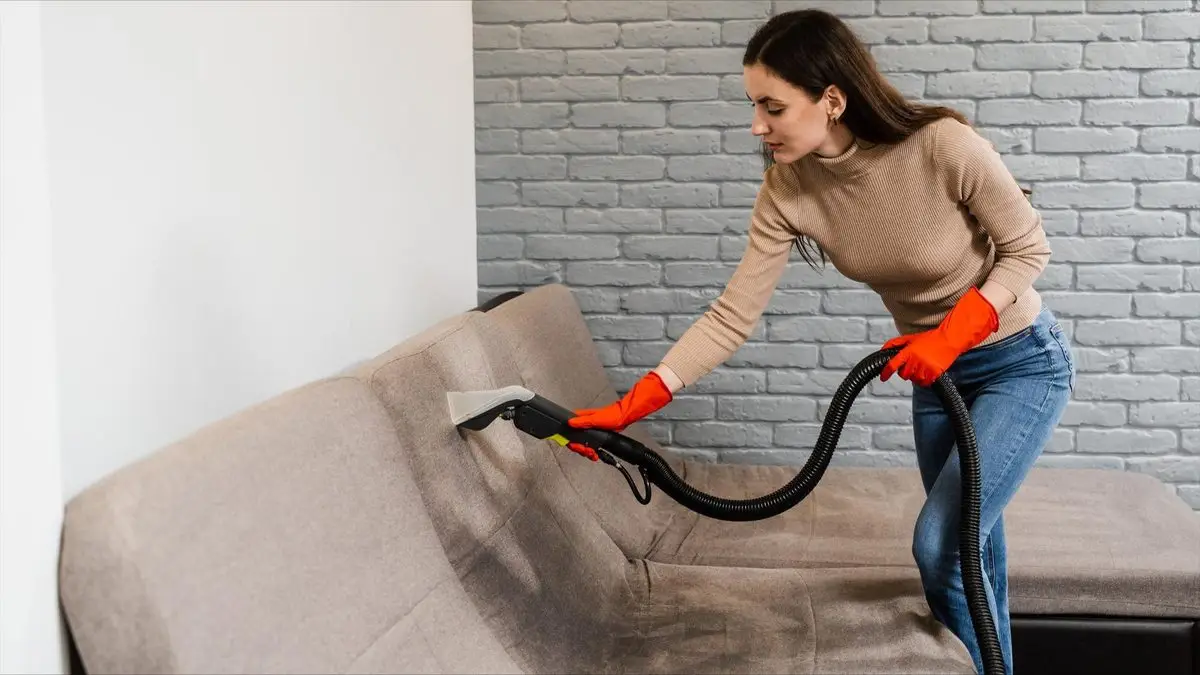
- Upholstered furniture: Sofas, chairs, and fabric headboards trap allergens in their fabric and padding.
- Ceiling fans: Fan blades accumulate dust and distribute it throughout the room every time the fan runs.
- HVAC vents and returns: Dusty vents circulate particles through the air continuously.
- Baseboards and window sills: These horizontal surfaces collect dust and are frequently overlooked during regular cleaning.
- Mattresses and bedding: Dust mites thrive in the warm, humid environment of mattresses. A single mattress can harbor millions of them.
- Bathroom grout and under sinks: Mold spores accumulate in damp areas and become airborne.
A standard maintenance clean addresses visible dirt on surfaces. A deep house cleaning goes into these problem areas and removes the buildup that drives allergen levels up.
Step 1: Start With Ceiling Fans, Vents, and High Surfaces
Always begin allergen-focused deep cleaning from the top of the room and work downward. This ensures that dust and debris you dislodge from upper surfaces fall onto areas you have not yet cleaned.
For ceiling fans, remove and wipe each blade individually rather than just dusting them in place. Dust that sits on fan blades becomes airborne immediately when the fan starts.
For HVAC vents, remove the covers and vacuum inside the duct opening. Wipe the covers with a damp cloth and replace them. Consider scheduling a professional duct cleaning if vents have not been addressed in several years.
High shelves, the tops of cabinets, and light fixtures all collect dust that falls down into the living space. Address all of these before moving to lower areas.
Step 2: Deep Clean Carpets and Upholstered Surfaces
Carpets are the largest allergen reservoir in most homes. Regular vacuuming removes surface debris, but dust mites, pet dander, and deep-seated particles require more thorough treatment.
For a deep house cleaning focused on allergens:
- Vacuum all carpets with a HEPA-filter vacuum in overlapping passes
- Pay extra attention to edges and corners where dust accumulates
- Move furniture to vacuum underneath and behind it
- For area rugs, take them outside if possible and beat or shake them before vacuuming
Upholstered furniture, including sofas, chairs, and fabric ottomans, should be vacuumed with an upholstery attachment. Pay attention to seams, crevices, and the area between cushions.
Step 3: Address Baseboards, Door Frames, and Window Sills
These horizontal surfaces are among the most effective dust collectors in any room and among the most frequently skipped during standard cleaning.
For allergen reduction, baseboards and door frames should be:
- Wiped with a damp microfiber cloth to trap rather than redistribute dust
- Cleaned along their full length, including corners and transitions
- Addressed in every room, including closets and hallways
Window sills accumulate both dust and pollen, particularly during spring in Silver Spring and the broader DMV area. Wipe them down with a damp cloth and clean window tracks, which collect debris and can harbor mold in humid climates.
Step 4: Clean and Sanitize Bathrooms to Address Mold
Mold and mildew spores are serious allergens that are particularly common in bathrooms. Grout lines, the area under and around sinks, exhaust fans, and shower caulking are all high-risk zones.
During a deep house cleaning, bathrooms require:
- Scrubbing grout lines with a brush and appropriate cleaner
- Cleaning the shower or tub from top to bottom, including fixtures and drain surrounds
- Checking and cleaning under the sink and around the base of the toilet
- Wiping down the exhaust fan cover and cleaning interior dust
- Inspecting caulking for mold and addressing any visible growth
Mold that is not addressed during cleaning continues to produce spores that circulate throughout the home via airflow. Bathrooms should be treated as a priority area in any allergen-focused deep clean.
Step 5: Address Bedrooms With Special Attention to Mattresses
People spend approximately a third of their lives in their bedrooms. If allergens are concentrated there, the impact on sleep quality and daily symptoms is significant.
For an allergen-focused bedroom deep clean:
- Strip and wash all bedding in hot water (at least 130°F kills dust mites)
- Vacuum the mattress surface thoroughly, including sides and seams
- Wash or dry-clean mattress covers, pillow protectors, and any fabric pillow covers
- Dust all surfaces including nightstands, headboards, and the tops of wardrobes
- Vacuum under the bed and behind furniture
- Clean window treatments: dust blinds or wash curtains
Investing in allergen-proof mattress and pillow covers after deep cleaning helps maintain lower dust mite levels between visits.
How Often Should Silver Spring Homeowners Schedule Deep House Cleaning?
For households with allergy sufferers, a quarterly deep house cleaning schedule aligns well with seasonal allergen peaks. Spring and fall are the most important seasons in the DMV area, when outdoor pollen levels are highest and are brought indoors most frequently.
Between deep cleans, a recurring residential cleaning services plan maintains the baseline established by each deep clean. Weekly or bi-weekly maintenance keeps surface dust levels low and reduces the rate at which allergens accumulate in problem areas.
Professional Deep House Cleaning vs. DIY
Many homeowners attempt allergen-focused cleaning themselves. The effort is worthwhile, but professional deep cleaning delivers results that are difficult to match without specialized equipment and training.
Professional deep house cleaning includes:
- HEPA-filter vacuuming equipment
- Microfiber cleaning tools that capture rather than spread dust
- Systematic room-by-room processes that ensure no area is missed
- Eco-friendly products safe for families and pets, including those with chemical sensitivities
- A team that has performed this type of cleaning hundreds of times and knows exactly where allergens hide
Breathe Easier at Home
For Silver Spring homeowners dealing with persistent allergy symptoms indoors, the solution often starts with a professional deep house cleaning. Removing the accumulated allergen load from your home’s key surfaces creates a measurable improvement in air quality and symptom frequency.
Clean Day Maids serves Silver Spring, Bethesda, Rockville, Gaithersburg, and the broader DMV region. Our team is fully insured, bonded, and uses eco-friendly products safe for your family and pets.
Book your allergen-focused deep house cleaning today and start breathing easier at home.
Managing Seasonal Allergen Peaks in the DMV Region
Silver Spring and the broader DMV region experience intense seasonal allergen peaks. Tree pollen peaks in spring, grass pollen through early summer, and ragweed dominates late summer and fall. Each of these seasons brings elevated outdoor allergen levels that are continuously tracked inside on shoes, clothing, and through open windows.
For households where allergy symptoms are a concern, timing professional deep house cleaning to align with the beginning of each pollen season is a highly effective strategy. Cleaning out the accumulated pollen and allergens from one season before the next begins prevents compounding buildup.
A spring deep clean in late April or early May, before grass pollen peaks, and a fall deep clean in late September, before the home closes up for winter, gives allergy sufferers the best possible start to each challenging season.
Working With Your HVAC System for Better Air Quality
Your HVAC system either helps or hurts your indoor air quality depending on how well it is maintained. A dirty filter circulates allergens throughout your home with every cycle. A clean filter, combined with a properly cleaned home, provides significantly better air quality.
Schedule HVAC filter changes to align with your seasonal deep cleaning visits. If your system has not been professionally serviced in several years, consider a duct cleaning to remove the accumulated dust and debris that standard filter changes cannot address.
Combined with a professional deep house cleaning, an optimized HVAC system delivers the best possible indoor air quality for your Silver Spring home.
Long-Term Allergen Management Through Consistent Cleaning
A single deep house cleaning produces meaningful results. Consistent cleaning, combining seasonal deep cleans with regular maintenance visits, produces lasting results that genuinely change the indoor environment for allergy sufferers. Bi-weekly cleaning service is the preferred maintenance schedule for many Silver Spring clients managing household allergens. It keeps dust and dander levels consistently low between deep clean visits, so the seasonal peaks never have the opportunity to accumulate to the levels that trigger the worst symptoms.