
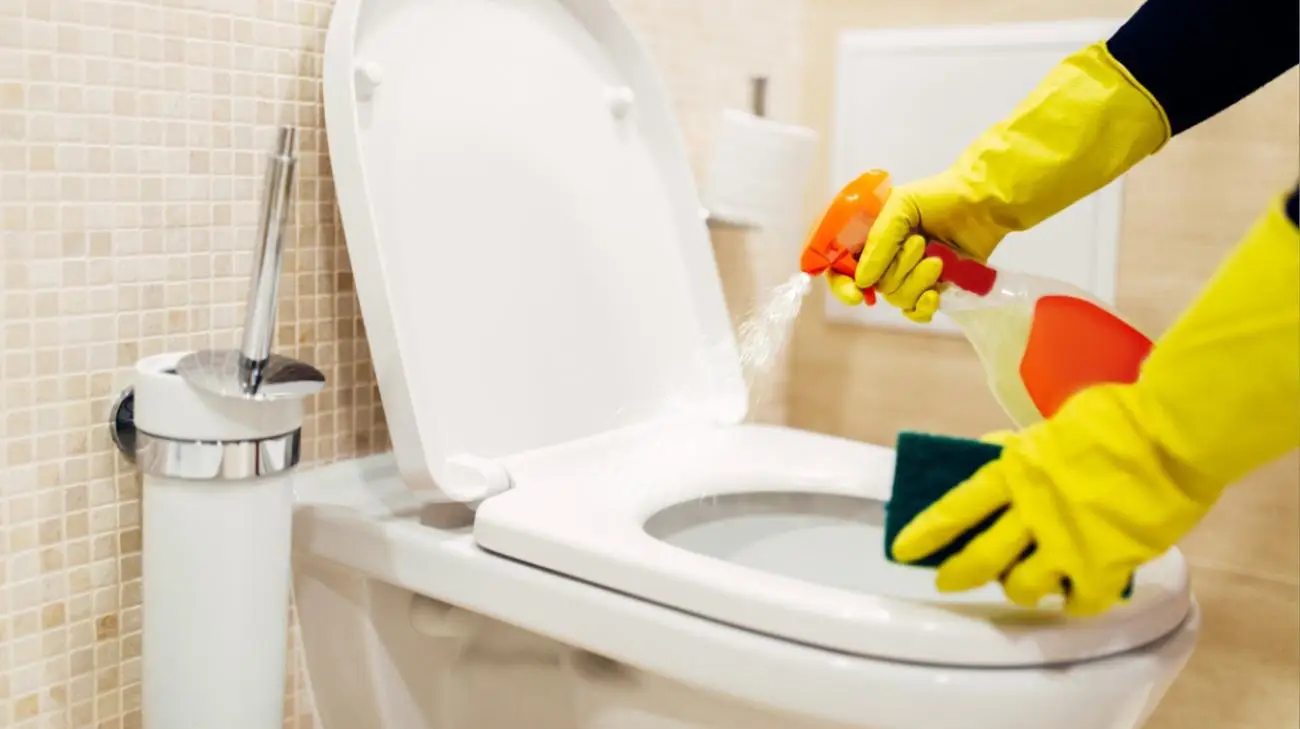
Bathrooms are naturally humid spaces. They are used multiple times a day, often have limited airflow, and hold moisture longer than most other rooms. Because of this, odors can develop quickly when cleaning routines are inconsistent. Most bathroom smells don’t appear overnight. Instead, they slowly build from moisture, bacteria, and residue that collects in hidden areas.
The good news is that most odors are preventable. Following consistent bathroom odor prevention habits helps maintain fresh air, protect surfaces, and support long-term home hygiene. When moisture is controlled and bacteria buildup is reduced, bathrooms stay easier to clean and more comfortable to use. Over time, strong bathroom odor prevention routines also help protect indoor air quality and prevent expensive moisture damage.
Why Bathroom Odor Control Impacts Your Whole Home
Bathroom odors are not just about comfort. They often signal moisture or hygiene problems developing behind the scenes. If ignored, these issues can lead to mold growth, surface damage, and poor indoor air quality.
Using consistent bathroom odor prevention habits helps stop odor sources before they spread. Bathrooms generate humidity daily from showers, sinks, and toilet use. When moisture sits on surfaces, bacteria and mildew grow faster.
Airflow also plays a huge role. Without proper ventilation, humidity stays trapped in the room. This creates the perfect environment for odor-causing bacteria. Maintaining bathroom odor prevention routines protects both your health and your home.
Understanding Where Bathroom Odors Really Come From
Many homeowners assume toilets are the main odor source. In reality, several areas can contribute to odor buildup throughout the bathroom.
Common odor sources include:
- Bacteria buildup inside drains
- Standing water in shower corners
- Damp towels left too long
- Mold growth behind caulking lines
- Dirty grout lines
- Poor ventilation airflow
Strong bathroom odor prevention means treating the entire space, not just one fixture.
Daily Moisture Control Makes the Biggest Difference
Daily moisture control is the foundation of bathroom odor prevention. Small habits done consistently can stop bacteria growth before it starts.
After using sinks or showers, drying wet surfaces helps reduce moisture exposure. Focus on sink edges, faucet bases, shower glass, and tub edges. Microfiber cloths work well because they absorb water quickly.
When daily bathroom odor prevention becomes routine, weekly cleaning becomes faster and more effective.
Airflow Improvements That Reduce Humidity
Air circulation is one of the most overlooked parts of bathroom maintenance. Even small airflow improvements can reduce odor risk significantly.
Helpful airflow habits include:
- Running exhaust fans after showers
- Opening bathroom doors when possible
- Using dehumidifiers in humid climates
Better airflow supports bathroom odor prevention by reducing trapped moisture.
Managing Towels and Bath Mats the Right Way
Damp fabrics hold bacteria and can create musty smells quickly. Managing fabrics properly is a key part of bathroom odor prevention.
Helpful fabric habits include:
- Hanging towels fully open to dry
- Washing bath mats weekly
- Rotating towel sets regularly
Fabric care helps reduce hidden odor sources and supports better bathroom freshness.
Weekly Cleaning That Prevents Odor Buildup
Daily habits help control moisture, but weekly cleaning removes deeper contamination. Moisture-heavy areas need regular sanitation.
Important weekly cleaning zones include:
- Shower floor corners
- Under toilet rims
- Sink overflow openings
- Drain covers
Structured bathroom odor prevention routines help stop smells before they become noticeable.
Grout and Caulking: Hidden Moisture Traps
Grout and caulking are porous and hold moisture easily. Without cleaning, bacteria and mold can grow inside these materials.
Grout cleaning helps:
- Remove trapped bacteria
- Prevent permanent discoloration
- Improve surface freshness
Consistent grout maintenance is essential for bathroom odor prevention because it removes hidden odor sources.
Drain Cleaning: One of the Most Important Steps
Drains are one of the biggest contributors to bathroom smells. Organic residue inside pipes feeds bacteria growth.
Helpful drain care steps include:
- Flushing drains with hot water weekly
- Using enzyme cleaners to break down residue
- Preventing hair and soap buildup
Including drain maintenance in bathroom odor prevention routines helps reduce recurring smells.
Shower and Tub Cleaning for Humidity Control
Showers produce the highest humidity levels in bathrooms. Without moisture removal, mold risk increases quickly.
Helpful shower maintenance habits include:
- Using a squeegee after showers
- Cleaning shower liners monthly
- Replacing damaged liners when needed
Consistent shower care supports strong bathroom odor prevention results.
Toilet Cleaning and Hidden Odor Areas
Toilets require more than surface cleaning. Hidden areas often hold bacteria that cause odors.
Important toilet cleaning zones include:
- Toilet base edges
- Seat hinges
- Tank exteriors
Including these areas strengthens bathroom odor prevention and reduces hidden bacteria buildup.
When Professional Cleaning May Help
Sometimes odors remain even after regular cleaning. Professional cleaning services can identify hidden contamination.
Professional services help with:
- Deep grout cleaning
- Mold inspection behind fixtures
- High-touch bacteria removal
- Safe product selection
Professional help strengthens bathroom odor prevention when odors persist.
Using Safer Cleaning Products for Long-Term Freshness
Eco-friendly products help maintain freshness without heavy chemical residue. Strong chemical smells can sometimes mask deeper odor issues.
Benefits of safer products include:
- Less surface damage
- Better indoor air quality
- Reduced chemical residue buildup
Safer product choices support long-term bathroom odor prevention.
Early Signs Odor Control Needs Improvement
Recognizing early warning signs helps prevent bigger problems.
Common warning signs include:
- Musty smells after showers
- Odors returning quickly after cleaning
- Dark grout discoloration
- Persistent drain smells
Addressing these early improves bathroom odor prevention success.
Seasonal Bathroom Maintenance Matters
Seasonal cleaning helps reset bathroom hygiene and remove buildup missed during daily cleaning.
Seasonal maintenance often includes:
- Deep grout cleaning
- Vent fan dust removal
- Caulking inspection
- Drain deep cleaning treatments
Seasonal routines support stronger bathroom odor prevention year-round.
Storage Habits That Reduce Moisture Traps
Storage affects airflow and moisture levels. Overcrowded cabinets can trap humidity.
Helpful storage habits include:
- Avoiding overcrowded cabinets
- Storing cleaning tools dry
- Replacing old sponges regularly
Proper storage supports better bathroom odor prevention results.
Why Consistency Matters More Than Deep Cleaning
Consistency usually matters more than occasional deep cleaning. Small daily habits prevent major odor problems.
Long-term benefits of strong routines include:
- Better indoor air quality
- Reduced mold risk
- Longer surface lifespan
- Improved daily comfort
Following consistent bathroom odor prevention routines creates predictable bathroom freshness.
Creating a Bathroom That Stays Fresh All Year
Maintaining a fresh bathroom is realistic with simple routines. Combining daily moisture control, weekly deep cleaning, and good airflow dramatically reduces odor risk.
Most importantly, strong bathroom odor prevention routines support both comfort and health. When homeowners stay consistent, moisture buildup decreases and bacteria growth slows.
Over time, consistent bathroom odor prevention habits support cleaner bathrooms, healthier air, and more comfortable homes throughout every season. Small habits done daily create long-term freshness and help prevent costly moisture-related repairs.