
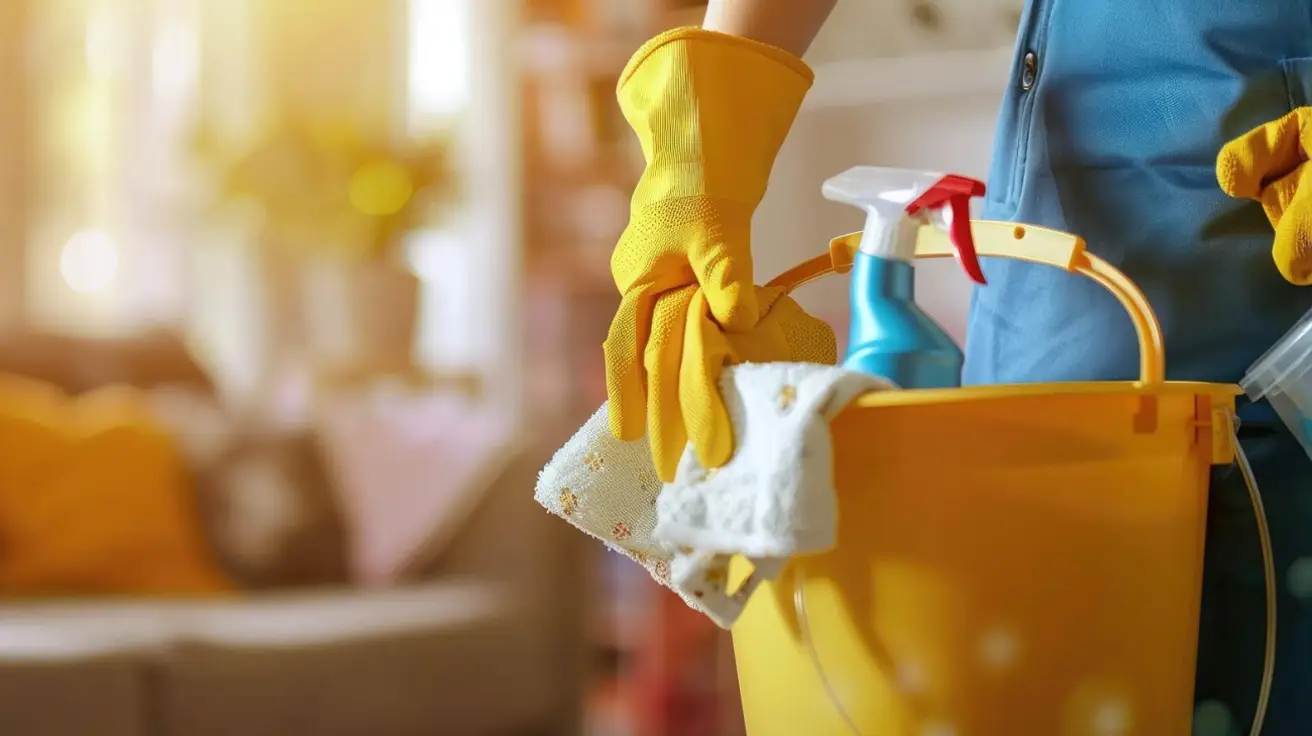
Keeping a home clean is not about chasing perfection. It is about creating a system that works with your real routine. Most people are balancing work, family, errands, and personal time. When home care has no structure, it quickly turns into reactive cleaning — the kind that only happens when mess becomes visible.
A realistic routine changes that experience completely. A well-designed cleaning frequency helps transform cleaning into something predictable and manageable. Instead of spending entire weekends catching up, small actions spread across time keep homes feeling consistently comfortable and under control.
Why Structured Cleaning Makes Life Feel More Organized
Every area of a home has a different level of use. Kitchens and bathrooms handle daily activity. Guest rooms and storage spaces may stay untouched for weeks. Without structure, people often clean based on what they notice first instead of what truly needs attention.
A smart cleaning frequency helps create balance. Instead of guessing, you follow a simple pattern that reduces mental overload. Many homeowners notice that once routines are in place, cleaning feels less stressful and far less time-consuming.
There is also an emotional benefit. Walking into a home that feels maintained — not just cleaned occasionally — creates a sense of calm and stability.
The Hidden Problems of Irregular Cleaning Habits
When cleaning is inconsistent, surfaces may look fine at first glance. However, buildup often forms in places people do not check often. Over time, this leads to larger cleaning tasks that require more effort and stronger products.
Common results of unstructured routines include:
• Re-cleaning the same visible areas repeatedly
• Forgetting high-contact surfaces that collect bacteria faster
• Facing large deep-cleaning sessions that feel exhausting
• Allowing dust and allergens to build slowly indoors
Following a consistent cleaning frequency helps prevent these patterns and keeps homes easier to maintain.
Creating a Cleaning Plan That Feels Realistic
The best systems are simple and flexible. They organize tasks based on how fast dirt builds, not based on motivation levels.
Daily tasks prevent visible mess. Weekly tasks refresh the home environment. Monthly tasks protect long-term home condition. This layered system allows homeowners to stay ahead of buildup without feeling overwhelmed.
When routines are tied to a clear cleaning frequency, decision-making becomes easier and cleaning feels more automatic.
Daily Cleaning Habits That Keep Homes Under Control
Daily cleaning should feel fast and manageable. The goal is not perfection. The goal is preventing buildup from starting.
Most daily tasks take only a few minutes and create noticeable long-term results.
Typical daily priorities include:
• Wiping kitchen counters after meals
• Quick sink and faucet wipe-down
• Sweeping or vacuuming high-traffic areas
• Checking trash and recycling levels
These small steps support overall cleaning frequency consistency and reduce heavy weekly workload.
Weekly Cleaning That Brings Back the Fully Clean Feeling
Weekly cleaning removes deeper dirt layers that daily resets cannot handle. It is often the step that makes homes feel fully refreshed.
Most households rely on weekly resets to maintain comfort and hygiene.
Typical weekly cleaning includes:
• Full-home vacuuming
• Mopping hard floors
• Cleaning showers and toilets
• Washing bedding
• Removing dust from furniture and décor
Maintaining weekly structure helps reinforce effective cleaning frequency habits and supports healthier indoor environments.
Monthly Cleaning That Protects Home Value Over Time
Some buildup forms slowly and stays hidden. Monthly cleaning focuses on those overlooked areas before they turn into bigger maintenance problems.
Monthly maintenance usually includes:
• Baseboard and trim cleaning
• Interior window washing
• Vent and ceiling fan dust removal
• Appliance deep maintenance
Including these tasks in your cleaning frequency plan helps protect surfaces and appliances long term.
Kitchen Cleaning Timing for Busy Households
Kitchens require regular attention because grease, crumbs, and moisture appear quickly. Without routine structure, kitchen cleaning can feel constant and frustrating.
Daily tasks focus on food safety and surface sanitation. Weekly tasks focus on deeper grease and appliance cleaning.
A strong kitchen routine supports balanced cleaning frequency and prevents stubborn buildup.
Bathroom Cleaning Timing and Moisture Control
Bathrooms create constant moisture. Without routine care, residue and odor develop quickly.
Daily resets focus on moisture removal and surface wiping. Weekly cleaning removes soap film and disinfects high-touch areas.
Following a stable cleaning frequency helps bathrooms stay fresh without constant heavy scrubbing.
Bedroom Cleaning Timing for Comfort and Rest Quality
Bedrooms often hide dust in fabrics and carpets. Because people spend many hours sleeping, keeping these spaces clean improves overall comfort.
Weekly bedroom maintenance usually includes washing bedding, vacuuming floors, and dusting surfaces. These steps help improve air quality and comfort.
Consistent bedroom care supports overall home cleaning frequency balance.
Living Room Cleaning Timing for Everyday Use
Living rooms are high-use spaces. Dust, crumbs, pet hair, and fabric debris accumulate faster than many people expect.
Weekly living room cleaning typically includes upholstery vacuuming, electronics dusting, and floor care.
Keeping this space consistent supports whole-home cleaning frequency success.
Entryway Cleaning Timing That Reduces Whole-Home Dirt
Entryways are the first line of defense against outside dirt. Small daily habits here prevent contamination from spreading through the home.
Helpful entry habits include:
• Cleaning or shaking mats
• Quick sweeping near doors
• Drying wet areas during rain
These small actions help maintain stable cleaning frequency results throughout the house.
Laundry Room Cleaning Timing for Safety
Laundry areas collect lint, dust, and moisture that can impact appliance performance and air quality.
Monthly maintenance often includes vent checks, washer seal cleaning, and floor cleaning.
Adding laundry care to your cleaning frequency schedule helps protect appliances and supports safer home operation.
How Professional Cleaning Helps Maintain Consistency
Many homeowners understand what needs to be done but struggle with time. Busy schedules often interrupt routines.
Professional support can help with:
• Routine maintenance visits
• Rotating deep-cleaning schedules
• High-traffic sanitation support
Professional services can strengthen overall cleaning frequency consistency without replacing daily habits.
Standard Cleaning and Deep Cleaning Working Together
Maintenance cleaning supports everyday comfort. Deep cleaning removes heavy buildup and is usually seasonal or occasional.
Combining both approaches ensures total home coverage. A balanced cleaning frequency plan usually includes both routine and deeper cleaning phases.
Signs Your Home Routine May Need Adjustment
Home needs change over time. More pets, children, or seasonal changes can increase dirt levels.
Watch for signs like:
• Dust returning faster than usual
• Odors appearing quickly after cleaning
• Sticky or dull surfaces
• Increased indoor allergy discomfort
Adjusting your cleaning frequency helps restore balance and maintain comfort.
Seasonal Cleaning Adjustments That Help Homes Stay Stable
Different seasons bring different challenges. Adjusting routines keeps results consistent all year.
Seasonal priorities often include:
• Spring deep dust and surface reset
• Summer airflow and dust maintenance
• Fall dirt and debris entry control
• Winter moisture and residue management
Seasonal planning helps maintain steady cleaning frequency results.
Long-Term Benefits of Consistent Cleaning Habits
Consistent routines do more than improve appearance. They protect surfaces and reduce long-term maintenance costs.
Long-term advantages often include:
• Faster daily cleaning sessions
• Reduced deep-cleaning expenses
• Better indoor air quality
• Longer lifespan for flooring and furniture
Strong cleaning frequency habits support easier home maintenance year after year.
Making Cleaning Feel Like a Normal Part of Life
Cleaning does not need to feel overwhelming. When routines become habits, maintenance feels natural instead of stressful.
Following a realistic cleaning frequency allows homeowners to maintain clean, comfortable homes with less effort. Over time, structured routines reduce stress, improve daily comfort, and protect home surfaces.
A balanced plan helps homes stay welcoming, healthy, and manageable through every season without last-minute cleaning panic or exhausting catch-up days.