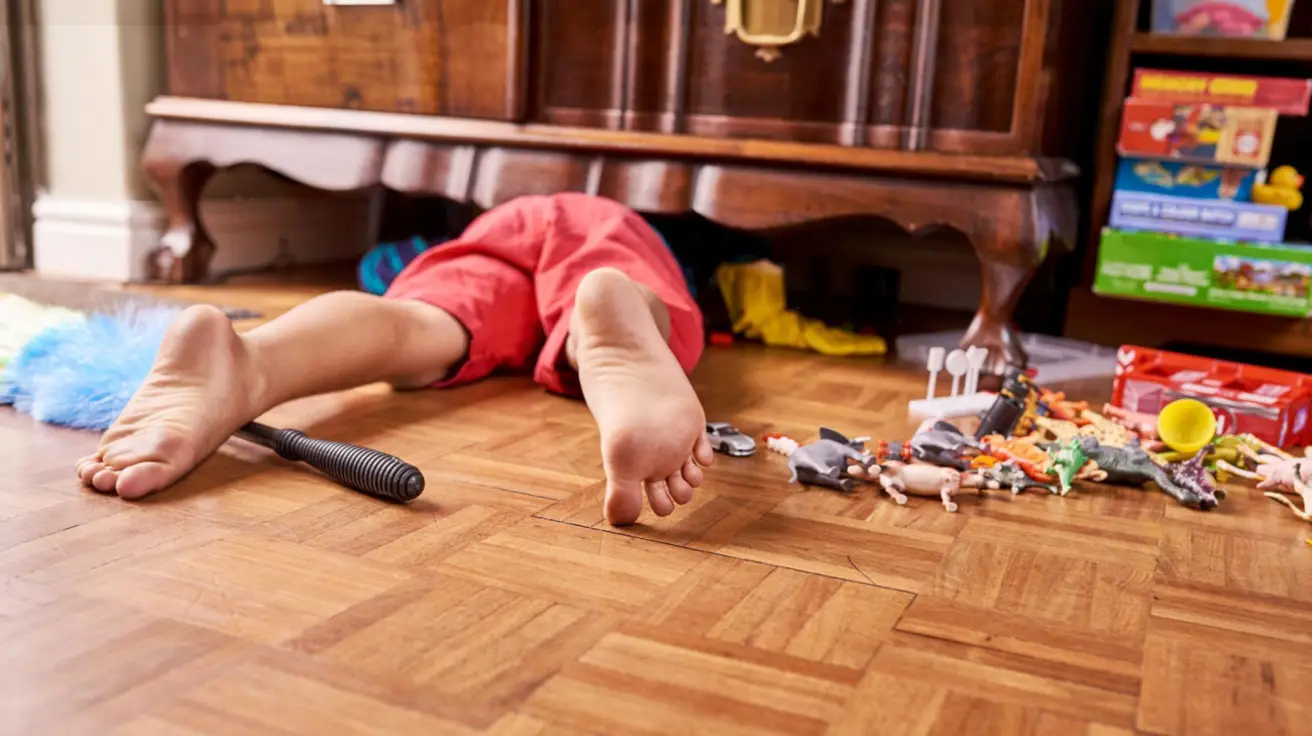
Family homes are naturally active environments. Toys move from room to room. Snacks happen in multiple spaces. Outdoor play brings dirt inside. Because of this constant movement, maintaining home hygiene requires thoughtful routines that protect both safety and cleanliness. Parents often need to balance germ control with chemical safety, especially for younger children who interact closely with floors and surfaces.
Following strong cleaning with kids routines helps families maintain safe play environments while reducing exposure to harsh chemicals and hidden contaminants. When homes follow structured cleaning habits, families experience better indoor air quality, fewer illness triggers, and more organized daily living spaces. Over time, homes that prioritize child-safe hygiene develop long-term healthy living habits.
Why Homes With Children Need Specialized Cleaning Strategies
Children interact with their environment differently than adults. They crawl, sit on floors, touch multiple surfaces quickly, and frequently touch their faces. Because of these behaviors, contamination spreads faster in homes with children than in adult-only households.
Using cleaning with kids strategies helps reduce germ exposure while maintaining safe surface conditions. Instead of relying on strong chemical products, many families now focus on balanced cleaning approaches that combine sanitation with safety.
Another key factor is immune system development. While exposure to normal environmental microbes helps build immunity, excessive bacteria buildup can increase illness risk. Consistent cleaning helps maintain healthy environmental balance.
The Role of Child-Safe Cleaning in Whole-Home Hygiene
Child-safe cleaning focuses on reducing harmful chemical exposure while maintaining strong sanitation levels. Many modern cleaning methods prioritize residue-free cleaning to protect children who frequently touch surfaces.
Benefits of applying cleaning with kids methods include:
- Reduced exposure to harsh chemical residues
- Lower indoor allergy triggers
- Safer crawling and floor play environments
- Cleaner toy and play surfaces
- Healthier indoor air quality
Because children interact closely with home surfaces, cleaning routines must prioritize both hygiene and safety consistency.
Choosing Safer Cleaning Products for Daily Use
Children often have higher sensitivity to strong cleaning chemicals. Products with heavy fragrances or harsh disinfectants can irritate skin, eyes, and respiratory systems. Choosing safer products helps reduce these risks.
Important safer product characteristics include:
- Low-fragrance or fragrance-free formulas
- Plant-based cleaning ingredients
- Residue-free surface cleaners
- Eco-certified cleaning products
Following cleaning with kids using safer product choices supports long-term child-safe cleaning routines.
Many professional family-focused cleaning providers now prioritize safer product selections to support homes with children and pets.
High-Touch Surface Cleaning as a Daily Priority
High-touch surfaces are major germ transfer zones. Because children touch these areas frequently, they require daily sanitation attention.
Important high-touch surfaces include:
- Door handles
- Light switches
- Toy surfaces
- Tablets and electronics
- Table edges
Using cleaning with kids methods for daily surface sanitation significantly reduces contamination transfer between family members.
High-touch cleaning is especially important during school seasons and cold or flu cycles.
Creating Family Cleaning Zones for Easier Maintenance
Children naturally create mess patterns based on activity areas. Instead of cleaning the entire home constantly, zone cleaning focuses on high-use family areas.
Priority cleaning zones include:
- Playrooms and play corners
- Kitchen eating areas
- Entryways
- Shared bathrooms
Applying cleaning with kids using zone cleaning methods prevents mess from spreading throughout the home.
Zone cleaning also makes daily maintenance more manageable for busy parents.
Floor Hygiene as a Core Safety Priority
Floors are primary contact surfaces for children. Dust, dirt, and bacteria accumulate quickly, especially in high-traffic family homes.
Safe floor hygiene practices include:
- Daily vacuuming in play zones
- Regular mopping using safer cleaning solutions
- Removing shoes at entry points
- Immediate spill cleanup
Following cleaning with kids for floor hygiene protects children during crawling and floor play activities.
Toy and Child Item Sanitation Routines
Toys collect bacteria quickly because they move between hands, floors, and sometimes mouths. Without routine cleaning, toys become contamination carriers.
Important toy sanitation habits include:
- Washing plastic toys weekly
- Wiping frequently used toys daily
- Washing stuffed toys monthly
- Disinfecting shared toys regularly
Using cleaning with kids for toy sanitation reduces germ exposure during play.
Toy cleaning is especially important for shared daycare-style environments at home.
Indoor Air Quality and Child Health Protection
Indoor air quality directly impacts child respiratory health. Dust, pet dander, and airborne particles can trigger congestion or allergy symptoms.
Important air-quality cleaning habits include:
- Replacing HVAC filters regularly
- Vacuuming upholstered furniture weekly
- Cleaning air vents and returns
- Washing bedding frequently
Following cleaning with kids helps support healthy breathing environments for growing children.
Safer cleaning products also help reduce chemical fumes in indoor air.
Building Cleaning Habits Into Family Daily Routines
Cleaning can become a shared family responsibility when introduced in age-appropriate ways. Children who participate in simple cleaning tasks develop responsibility and organizational skills.
Kid-friendly cleaning tasks include:
- Putting toys away
- Wiping tables with supervision
- Sorting laundry
- Organizing play areas
Using cleaning with kids as part of family routines helps create long-term healthy home habits.
When Professional Cleaning Support Helps Families
Busy schedules, school activities, and work demands can make consistent deep cleaning difficult. Professional cleaning support can help maintain hygiene standards during busy periods.
Professional services typically help with:
- Deep cleaning tasks
- Bathroom sanitation
- Kitchen grease removal
- Floor deep cleaning
Using professional support alongside cleaning with kids routines helps maintain safe home environments year-round.
Long-Term Benefits of Family Cleaning Habits
Consistent family cleaning routines create long-term home organization and hygiene success.
Long-term benefits include:
- Stronger daily cleaning habits
- Lower allergen exposure
- Safer play environments
- Better home organization
Following cleaning with kids consistently helps families maintain healthier indoor living spaces.
Signs Family Cleaning Routines May Need Improvement
Some signs indicate cleaning routines may need adjustment.
Common warning signs include:
- Frequent colds or illness
- Dust buildup near play zones
- Persistent home odors
- Sticky kitchen surfaces
When these signs appear, strengthening cleaning with kids’ routines can help restore home hygiene balance.
Which Families Benefit Most From Child-Focused Cleaning Systems
Some households experience higher activity levels and contamination exposure.
High-benefit households include:
- Families with toddlers
- Homes with multiple children
- Pet owner households
- Homes with frequent visitors
For these homes, consistent cleaning with kids routines protects both safety and comfort.
Building a Positive Family Cleaning Culture
Healthy cleaning habits create long-term lifestyle benefits. Homes that maintain consistent hygiene routines experience fewer illness cycles, better organization, and more comfortable living environments.
When families consistently follow cleaning with kids practices, they support healthier development environments for children. Cleaner surfaces, safer air, and organized spaces help children thrive physically and emotionally.Strong daily cleaning routines help families maintain safer homes, healthier environments, and more manageable daily living. Following structured cleaning with kids’ habits supports child-safe cleaning success, family home hygiene, and long-term household wellness. Over time, consistent cleaning with kids routines help families maintain safer, cleaner, and more comfortable homes throughout every season.