
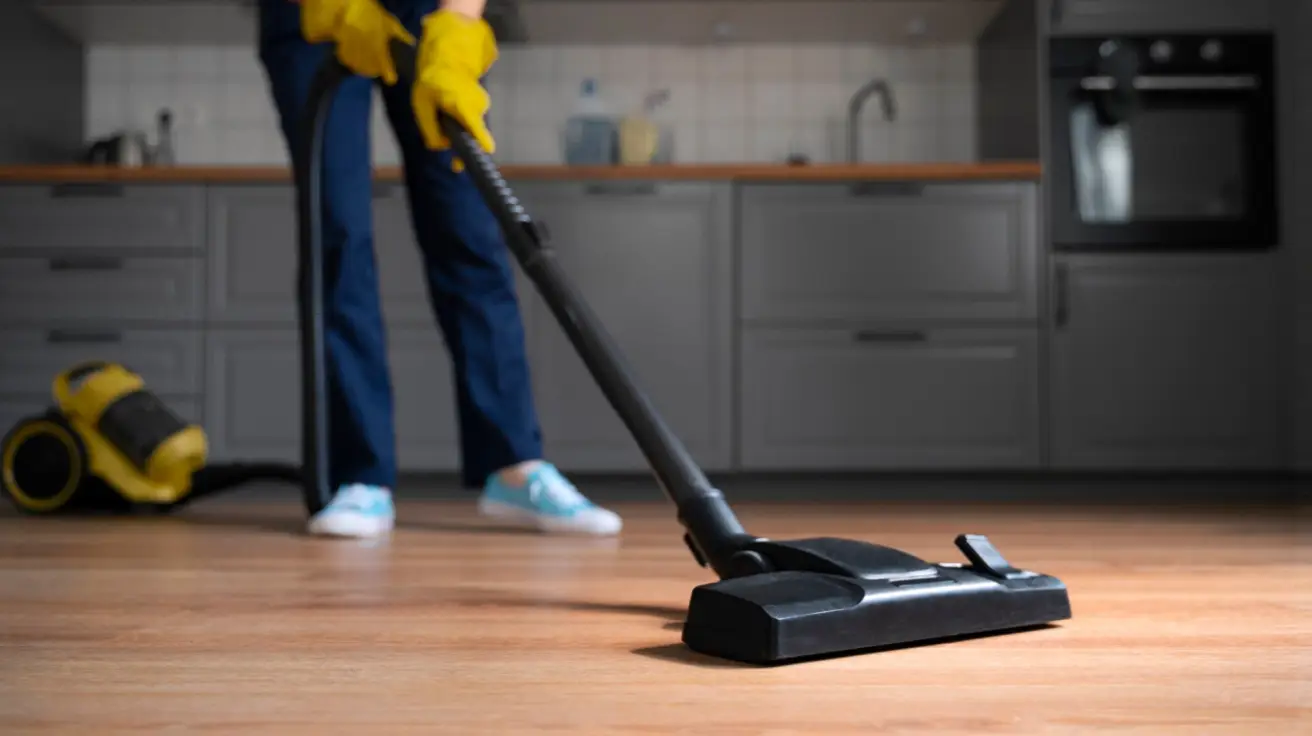
Winter mess starts at the front door. Salt, slush, and mud build up fast. Then they spread through your home with every step. As a result, floors look dull, feel gritty, and get harder to clean each day.
The good news: you can stop the damage early. With a simple entryway plan and the right methods, deep cleaning for floors becomes faster and more effective. This guide shows how to remove salt stains, control mud, and protect wood, tile, and grout all season.
Why winter entryways destroy floors so quickly
Snow and slush melt indoors. Salt dries into a white film. Mud turns into fine dust. Then that grit acts like sandpaper. It scratches, finishes and wears down high-traffic paths.
Also, winter mess is sticky. So it clings to grout lines, floor texture, and wood seams. That is why quick sweeping is not enough. You need prevention plus deep cleaning for floors to keep surfaces looking good.
Common winter floor problems include:
- White salt residue near doors and mats
- Dark mud stains around the mudroom
- Grit that scratches hardwood and laminate
- Hazy film on tile and sealed stone
- Dirty grout lines that won’t brighten
Because these issues build up daily, a routine matters. However, it must be realistic.
The entryway setup that prevents 80% of the mess
Before you scrub anything, set your entryway up to catch the damage. This step saves time later. It also protects your floor finish.
Use a simple three-zone system:
- Outside mat: scrapes off heavy dirt
- Inside mat: absorbs moisture
- Boot tray: holds wet shoes and melting slush
Then add one more key habit: shoes off at the door. If that is hard for guests, keep a small bench and a shoe rack nearby. This makes the rule easier to follow. As a result, deep cleaning for floors becomes a weekly task, not a daily battle.
Quick winter entryway checklist
Keep this short and consistent:
- Shake out mats twice a week
- Empty the boot tray often
- Sweep the entryway daily (2 minutes)
- Wipe baseboards weekly
Small steps now prevent major buildup later.
Entryways salt stain removal: how to fix the white film
Salt stains look harmless, yet they can damage finishes over time. They also make floors look cloudy, even after mopping. So you need the right method.
First, remove loose grit. Sweep or vacuum slowly. Use a soft brush attachment when possible. Then treat the residue.
Simple salt stain solution
For many sealed surfaces, this gentle mix helps:
- Warm water
- A small amount of mild dish soap
- A splash of white vinegar (only if safe for your floor type)
Important: vinegar is not for every surface. Avoid vinegar on natural stone. Also avoid it on unsealed wood. When in doubt, use a neutral cleaner.
After you wipe, rinse with clean water. Then dry the area. That final dry step reduces streaks and prevents new residue from sticking. It also supports deep cleaning for floors because you are not leaving a film behind.
Mudroom cleaning: stop the “brown trail” from spreading
Mud is messy, yet the real issue is what happens next. When mud dries, it breaks into dust. Then it travels through the house. So the goal is to contain mud early and remove it before it dries.
Start with a rule: do not mop wet mud. It smears and stains. Instead, let it dry. Then vacuum it up.
Mud removal steps that work
- Let wet mud dry fully
- Vacuum or sweep slowly
- Spot clean with a damp cloth
- Mop only after loose dirt is gone
If mud stains remain, use a floor-safe cleaner and a soft brush. Then rinse and dry. This keeps your finish clear while still delivering deep cleaning for floors results.
Protect hardwood floors in winter without harsh products
Hardwood is beautiful, yet winter is tough on it. Grit scratches the surface. Moisture seeps into seams. Also, salt can dull the finish.
To protect hardwood floors, focus on three things: dry cleaning, limited water, and fast drying.
Hardwood winter rules
- Vacuum more than you mop
- Use a damp mop, not a wet mop
- Never leave puddles near the door
- Place rugs in high-traffic paths
- Use felt pads under entryway benches
When you mop, use a hardwood-safe cleaner. Use a microfiber pad. Work in small sections. Then dry with a clean towel if needed. This lowers water exposure and keeps deep cleaning for floors safe for wood.
Signs your hardwood needs a deeper reset
Look for:
- Dull traffic lines
- Sticky feeling after cleaning
- Fine scratches near the entry
- White salt film that returns quickly
In those cases, a deeper process may be needed. However, avoid DIY “shine” products. They often create buildup.
Tile and grout care: keep floors bright through winter
Tile handles moisture well, yet grout is the weak point. Grout holds dirt, salt, and mud. Then it darkens and looks old. So winter is the season to focus on tile and grout care.
Start with a vacuum. Then mop with a neutral cleaner. After that, target the grout lines.
Grout cleaning that is gentle but effective
Use:
- Warm water
- A small amount of neutral cleaner
- A soft grout brush or old toothbrush
Scrub lightly. Then rinse. Dry the area to prevent new dirt from sticking. If your grout is unsealed, consider sealing it later. Sealed grout resists stains better. As a result, deep cleaning for floors becomes easier month after month.
The “right mop” method for deep cleaning for floors
Many mops spread dirty water. That’s why floors can look worse after cleaning. Instead, use the two-bucket approach or switch pads often.
Best practice for winter mopping
- Vacuum first to remove grit
- Use warm water with the correct cleaner
- Mop in small sections
- Rinse or change the pad often
- Finish by drying high-traffic areas
This method reduces streaks. It also protects finishes. Most importantly, it makes deep cleaning for floors actually feel “deep.”
The weekly winter floor routine for busy households
You don’t need long cleaning days. You need a repeatable plan. A good routine keeps the entryway under control and prevents weekend overwhelm.
Try this schedule:
- Daily (5 minutes): quick sweep or vacuum in the entryway
- 2x per week (10 minutes): wipe salt residue near the door
- Weekly (20–30 minutes): mop entry + main traffic lanes
- Bi-weekly: grout touch-up or hardwood detail pass
If you keep the routine short, you will stick with it. Also, you will need fewer “emergency” cleanups. That is the real win.
Common winter floor mistakes that cause more damage
A few habits can make winter mess worse. Avoid these, and your floors will last longer.
- Using too much product (it leaves residue)
- Mopping before removing grit
- Using vinegar on stone
- Using steam on some wood and laminate floors
- Letting wet mats sit on hardwood too long
Instead, keep things simple. Clean dry first. Use the right product. Dry the area. Then repeat. This supports deep cleaning for floors without harming surfaces.
When to choose a professional deep clean
Sometimes, the buildup is bigger than a quick routine. That’s normal in winter. If your entryway looks cloudy, sticky, or stained even after cleaning, a deeper reset can help.
A professional-level deep cleaning for floors is useful when:
- Salt stains won’t lift
- Grout stays dark
- Floors feel gritty right after cleaning
- You see dull traffic lanes
- You are hosting or moving in/out
After a reset, your weekly routine works better. Also, your floors stay protected longer.
Fresh Floors, Peaceful Winter
Winter does not need to take over your home. When you set up your entryway, remove salt the right way, and stay consistent with quick routines, you protect your surfaces and save time. Focus on prevention, then follow smart methods for wood, tile, and grout. With the right plan, deep cleaning for floors becomes simpler, faster, and far less stressful.