Cold and flu season can make a clean home feel clean—yet germs still ride along on the things you touch all day. That’s why high-touch cleaning matters. When you disinfect the right surfaces the right way, you reduce the spread of illness-causing microbes and protect your routine.
Even better, you don’t need to “bleach everything.” With a clear plan, the right products, and correct timing, you can get real results without damaging surfaces or wasting effort. This guide shows you how to clean and disinfect effectively, room by room.
Why high-touch disinfection matters during cold and flu season
Germs spread fast in shared spaces. Hands touch a surface, then touch faces, phones, food, and kids’ toys. As a result, one sick day can quickly turn into a week of missed work and school.
High-touch areas are the main problem because they get touched constantly and cleaned inconsistently. If you focus your energy there, you get more protection with less time. The most common trouble spots are door handles, light switches, faucet handles, device screens, and remotes. A disinfection cleaning service targets these surfaces with a repeatable system, which helps you stay consistent during peak season.
Cleaning vs. disinfecting: the step most people skip
Many people spray disinfectant and wipe right away. However, that often fails.
Here’s the key difference: cleaning removes grime, while disinfecting kills germs. Because dirt can block disinfectants from working, you should clean first, then disinfect.
A simple method that works:
- Remove clutter
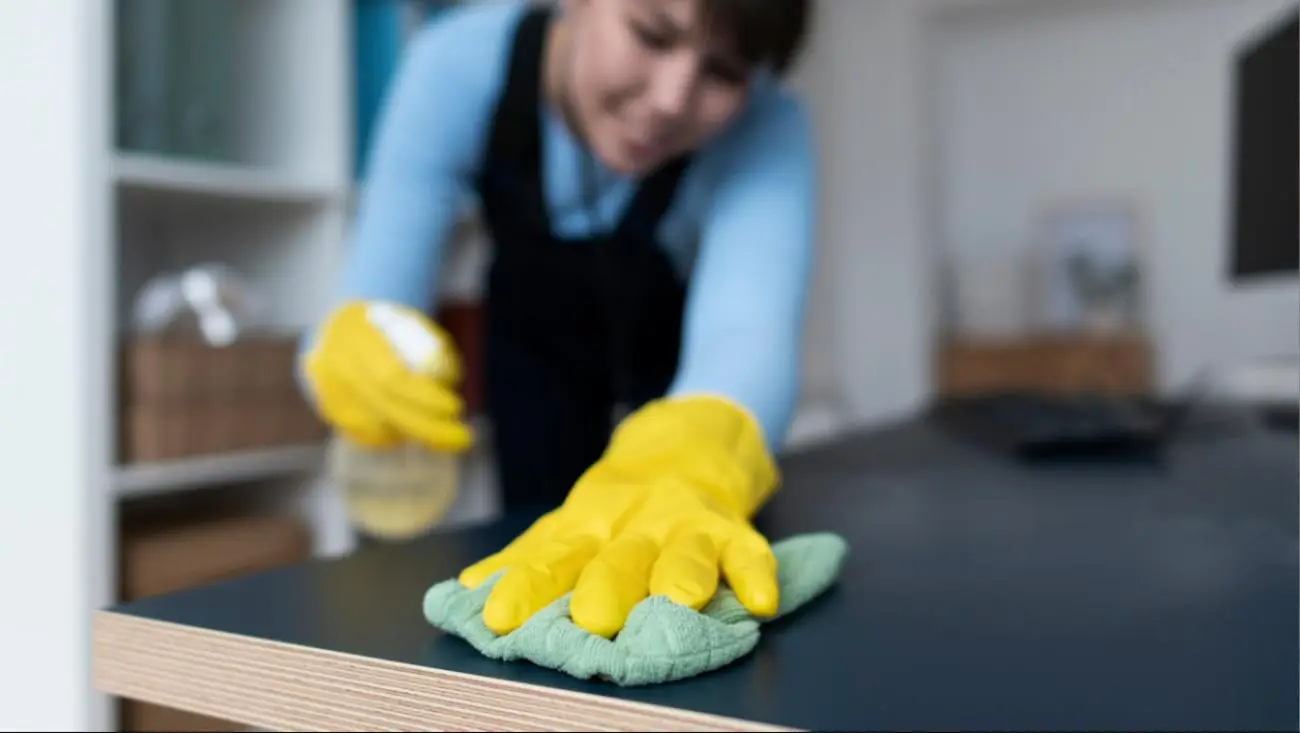
- Clean the surface
- Apply disinfectant evenly
- Leave it wet for the label’s contact time
- Let it air dry when possible
This routine is the foundation of germ control cleaning that actually delivers results.
Product basics: what to use and what to avoid
You don’t need a huge collection of products. Still, you do need the right type for the surface. In general, EPA-registered disinfectants work well for hard, non-porous areas, and alcohol-based wipes are usually safest for many electronics when used correctly.
Avoid common mistakes that reduce effectiveness or damage surfaces. Don’t mix products, don’t disinfect over visible dirt, and don’t use harsh chemicals on natural stone. If you want less guesswork, a disinfection cleaning service helps by matching products to surfaces and applying them correctly.
Your high-touch plan for the whole home
During cold and flu season, a basic routine keeps you covered without turning cleaning into a full-time job. Start with a short daily sweep, then do a deeper reset once a week.
Daily focus areas usually include entry door handles, kitchen and bathroom faucet handles, light switches, phones, and the fridge handle. Weekly, go deeper on items that collect grime and get missed, like trash can lids, cabinet pulls, stair rails, and frequently used remotes. If someone is sick, increase frequency in shared spaces. In that case, many households rely on a disinfection cleaning service for the weekly reset while they maintain quick daily touch-ups.
Bathroom disinfection: where germs like to linger
Bathrooms need extra attention because moisture and frequent use create the perfect environment for germs to spread. The goal is to remove buildup first, then disinfect what people touch most.
Prioritize toilet handles and seat edges, sink handles, countertop edges, light switches, and the door handle. Use a separate cloth for the toilet area to prevent cross-contamination. Then, let the disinfectant sit long enough to work. That timing matters as much as the product itself. A professional disinfection cleaning service typically uses a top-to-bottom process and a system to reduce cross-contact between zones.
Kitchen surface sanitizing: protect food prep areas
Kitchens are busy, so germs move quickly from hands to handles to counters. However, you also need to keep things food-safe.
Start by cleaning crumbs, grease, and sticky residue. Then disinfect high-touch spots like the fridge handle, microwave buttons, stove knobs, sink faucet, and cabinet pulls near prep zones. If your disinfectant label recommends rinsing for food-contact surfaces, do it. Also, wash dishcloths often—daily during peak season—because they can spread germs from one surface to another. A weekly disinfection cleaning service can help keep kitchen surface sanitizing consistent, especially in high-traffic homes.
Living spaces and bedrooms: reduce spread where you relax
Germs don’t stay in bathrooms and kitchens. They travel to the couch, nightstands, and anything you touch while relaxing.
Focus on remotes, coffee table edges, lamp switches, drawer pulls, and phone chargers. Keep bedding fresh, and if someone is sick, wash pillowcases more often. These small steps support your overall germ control cleaning routine without adding much time.
Electronics: sanitize without damage
Phones and keyboards are some of the most touched items in your home. Still, they can be damaged if you use the wrong method.
A safe approach:
- Power devices off before wiping
- Use alcohol-based wipes or a lightly damp cloth (not dripping)
- Never spray liquid directly on screens
- Don’t forget phone cases and earbuds
Pair device cleaning with your daily routine for sanitize high-touch surfaces so it becomes automatic.
A weekly routine you can actually keep
Consistency beats intensity. Try a simple schedule that fits most homes:
- Daily: entry handle, kitchen and bathroom handles, phones, fridge handle
- Two times per week: remotes, stair rails, light switches
- Weekly: full bathroom disinfection and a kitchen surface sanitizing reset
If your calendar is packed, a disinfection cleaning service can handle the weekly deep reset so your home stays protected with minimal effort.
When a disinfection cleaning service makes the most sense
DIY works well for maintenance. However, professional help is a smart choice when someone has been sick, you’re hosting guests, you manage a shared office, or you want consistent results with fewer missed spots. A strong disinfection cleaning service follows a repeatable system, focuses on high-touch areas, and helps reduce cross-contamination.
Clean habits that support your results
Cleaning works best when paired with simple daily habits. Wash hands often, keep sanitizer near the entry, avoid sharing towels during sick weeks, replace toothbrushes after illness, and ventilate rooms when possible. These steps strengthen your routine and make germ control cleaning more effective.
Clean Home, Calmer Season
Cold and flu season doesn’t have to take over your household. When you clean first, then disinfect, you stop wasting effort and start getting real protection. Focus on the most touched surfaces, follow correct product timing, and keep a routine you can repeat. If you want deeper, more consistent results, a disinfection cleaning service can help you protect your home and your time.