If you feel like you dust your home, only to see it reappear a few days later, you aren’t doing something wrong—you’re likely just missing the right order. Dusting isn’t just about moving particles from one surface to another; it’s about capturing them. When done with the correct system, dusting becomes significantly faster, requires less frequent effort, and dramatically improves your home’s air quality.
Quick Answer: The Pro Dusting Sequence
Efficiency in dusting is achieved by working top to bottom. Gravity is your primary tool. By starting with the highest points (ceiling fans, light fixtures, and top shelves), you force the dust to settle on lower surfaces, which you will then clean in subsequent passes. Always finish by vacuuming your floors—the final destination for every speck of dust you’ve dislodged.
The Golden Rule: Dust From Top to Bottom
The most common mistake is dusting the coffee table before cleaning the ceiling fan. If you dust low areas first, any stray particles dislodged from above will simply land on your freshly cleaned furniture.
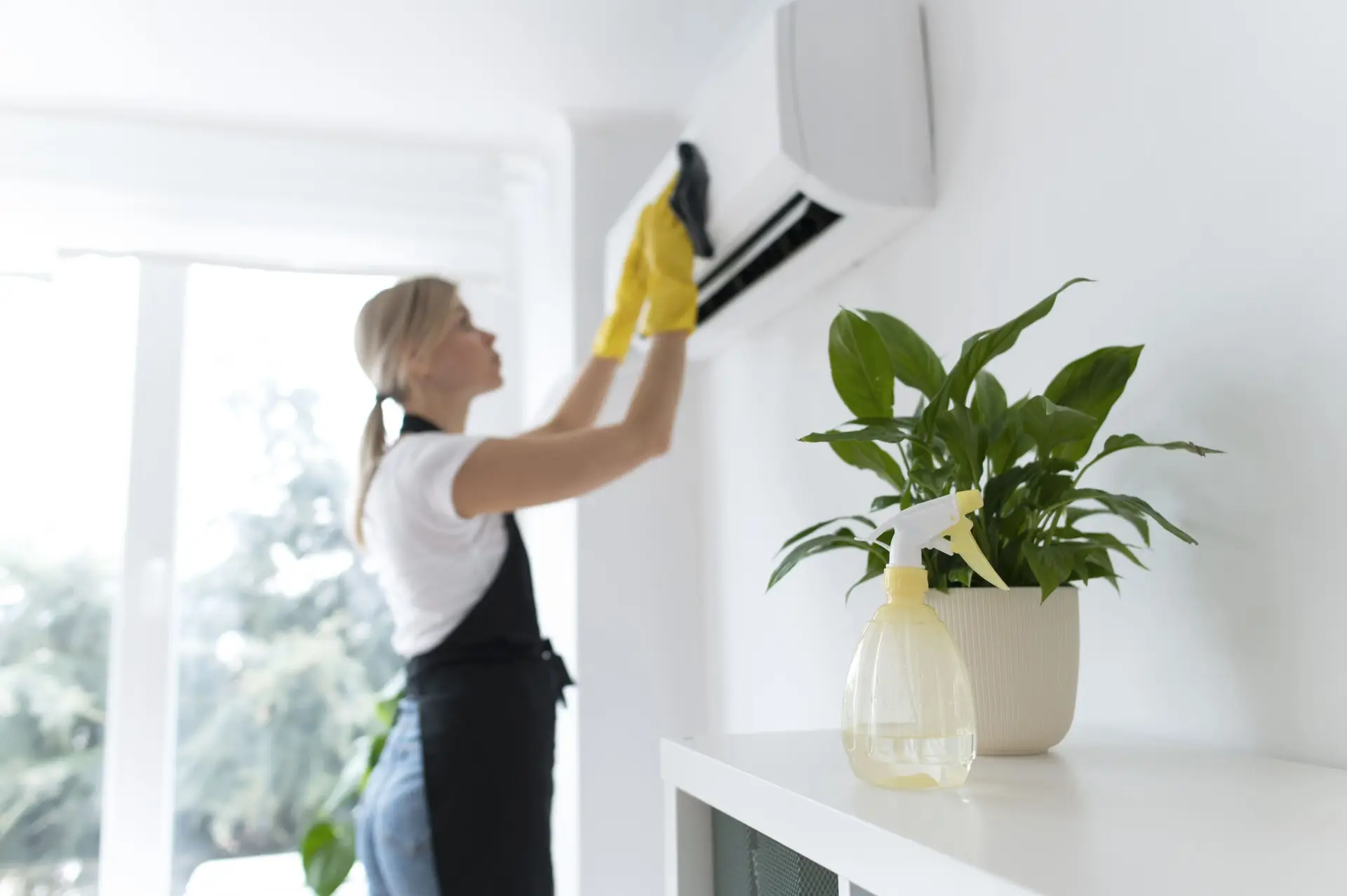
- Highest Points: Start with ceiling fan blades, curtain rods, and high shelves. Use an extendable duster to trap the particles rather than blowing them into the air.
- Mid-Level: Move to artwork, door frames, lamps, and bookshelves.
- Low-Level: Finish with baseboards, floor vents, and the legs of tables and chairs.
- The Floor Finale: Once all surfaces are clean, finish with a thorough vacuuming. This captures the dust that drifted down during your cleaning, preventing it from being kicked back into the air by foot traffic.
Should you dust or vacuum first? Always dust first. Vacuuming is the final step that removes all the debris that has settled on the floor during your dusting process.
Choose the Right Tools for the Job
Stop using old rags or feather dusters, which often just push dust into the air rather than capturing it.
- Microfiber Cloths: These are the gold standard. The fibers are designed to “hook” onto dust and hold it until you wash the cloth. Use them dry for general dusting and slightly damp for sticky grime.
- Extendable Dusters: Perfect for high-reach areas like vents and fans. Look for one with a washable, microfiber head.
- Vacuum Attachments: Use the soft-bristle brush attachment for electronics, lamp shades, and delicate decor. This is much safer than wiping, which can smear or scratch.
Is microfiber better? Yes. Unlike traditional dusters, microfiber traps dust particles in its microscopic weave, preventing them from recirculating into your home’s air.
Focus on Dust Hotspots: Room-by-Room Checklist
Dust loves stagnant areas and static-charged surfaces. Keep these spots on your radar:
- [ ] Ceiling Fans & Vents: Dust accumulates here and is then distributed throughout the room every time the air is on.
- Electronics: TVs and computer monitors build up static that pulls in dust. Use a dry microfiber cloth specifically designed for screens.
- Blinds: The “hidden” dust collector. A quick wipe of each slat makes a massive difference in room clarity.
- Baseboards: These static-charged edges are the final resting place for household dust.
- Under Furniture: Often overlooked, dust bunnies here can harbor allergens.
How Professional Cleaning Improves Dust Control
Even the most diligent homeowners find it difficult to keep up with dust in hard-to-reach places or high-traffic zones. At Clean Day Maids, we don’t just “clear” the dust; we manage the overall accumulation.
Our recurring cleaning services target the overlooked spots—like the tops of door frames, inside window tracks, and behind heavy furniture—that rarely get attention during a quick DIY clean. By maintaining a professional baseline, we prevent the “dust buildup” cycle that leads to allergies and dull-looking surfaces.
Want to stop chasing dust bunnies? Let us handle the maintenance while you enjoy a cleaner, fresher living space. Click here to get a quote for recurring cleaning from Clean Day Maids!
Frequently Asked Questions
- How often should I dust my home? For a home with standard traffic, once a week is usually sufficient. If you have pets, suffer from allergies, or leave windows open frequently, you may need a light, targeted dusting twice a week.
- What is the best order for dusting? Always work top to bottom. Start at the highest point in the room (e.g., ceiling fans) and end with the floor.
- Why does my house get dusty so fast? Common culprits include poor HVAC filters, pets, open windows, and heavy textiles (carpets, curtains, and upholstery) that shed fibers.
- Can professional cleaning reduce dust buildup? Yes. Professional cleaners use high-quality tools and systematic methods that remove more dust than standard household cleaning, preventing it from accumulating and recirculating.