
Winter is the season when homes feel cleanest from the outside. No mud tracked in from the garden, no pollen coming through the windows, no humidity making everything sticky. But inside, the picture is very different.
When you close the windows, turn up the heat, and spend most of your time indoors, dust builds up faster than at any other time of year. And because there’s no natural ventilation to dilute it, the air you’re breathing concentrates everything: dust mites, pet dander, skin cells, fiber particles, and mold spores. Professional dust removal services exist specifically for this scenario, going beyond what regular cleaning can reach.
What dust removal services actually do
Dust removal is not the same as dusting. Standard dusting moves particles off surfaces and into the air, where they stay suspended for hours before settling somewhere else. Professional dust removal services capture and extract particles instead of redistributing them.
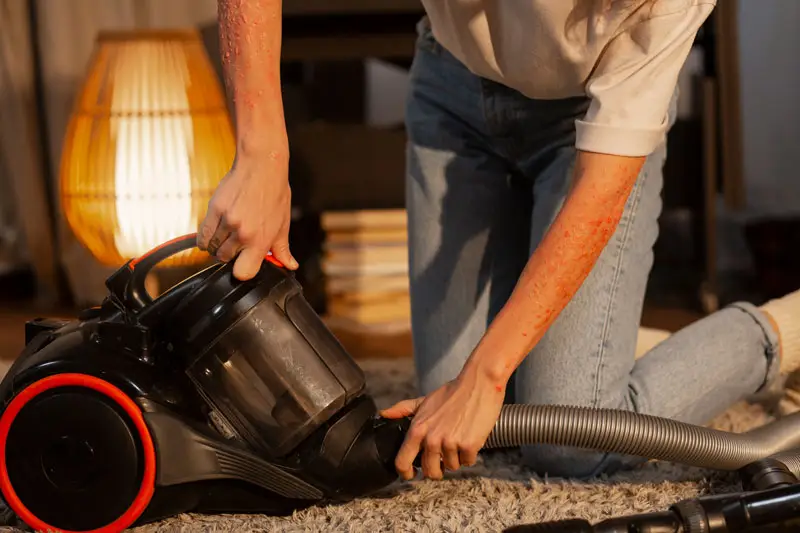
Professionals use microfiber cloths, which carry a static charge that attracts and holds dust instead of flicking it loose. They work top-down, starting with ceiling fans, crown molding, and vents before moving to furniture and baseboards, so dislodged particles fall onto surfaces that haven’t been cleaned yet. And they use HEPA-filtered vacuums that trap 99.97% of particles down to 0.3 microns, including the fine particles that standard vacuums push back into the air through their exhaust.
The result is a measurably lower particle count in the home, not just cleaner-looking surfaces.
Why winter makes dust worse
Heating systems are the main driver. Every time your furnace runs, it pulls air through the intake, heats it, and pushes it back through the vents. If there’s dust in the system or on the surfaces nearby, the airflow picks it up and circulates it through the house. The cycle repeats dozens of times a day.
At the same time, winter air is dry. Low humidity makes dust particles lighter and easier to become airborne. Something as simple as walking across a rug or shifting a pillow can release a small cloud of particles into the air.
And because windows stay closed, nothing dilutes the buildup. The EPA’s research on indoor air quality consistently shows that indoor air can be two to five times more polluted than outdoor air, and the problem is significantly worse in poorly ventilated spaces during winter months.
Areas where dust accumulates fastest in winter
Professional cleaners encounter the same problem zones in nearly every home. These are the spots that standard cleaning routines miss, and where particles concentrate the most during the heating season.
Ceiling fans and overhead vents. When switched to reverse mode in winter, ceiling fans push accumulated dust off the blades and directly into the room. Vent covers collect thick layers of lint and debris that get blown into the air every time the furnace kicks on.
Behind radiators and baseboard heaters. Heat draws dust in. Particles settle around heat sources because the convection currents pull them close, and the heat dries them out, making them harder to remove without the right tools.
Top of kitchen cabinets. Kitchen dust mixes with grease vapor from cooking, creating a sticky layer that doesn’t come off with a dry cloth. It requires the right solvent and technique.
Blinds and shutters. Each slat collects its own layer. Cleaning them individually takes time most people don’t invest during routine cleaning, so the buildup compounds month after month.
Under and behind furniture. Beds, sofas, and heavy furniture create dead air zones where particles settle undisturbed. These areas are also prime territory for dust mites, which thrive in soft materials like mattresses, upholstered frames, and area rugs.
Electronics. Computers, gaming consoles, and entertainment systems draw dust in through their cooling fans. A layer of dust inside a device acts as insulation, causing it to overheat and degrade faster.
Health effects of poor dust control in winter
For most people, heavy dust exposure causes sneezing, itchy eyes, and a persistent dry cough that feels like a cold that won’t resolve. For people with asthma or allergies, the effects are more serious: increased frequency of attacks, disrupted sleep, and difficulty breathing that’s hard to distinguish from a respiratory infection.
The primary culprit is dust mite waste. Dust mites are microscopic insects that live in soft surfaces and feed on dead skin cells. Their waste proteins are among the most common indoor allergens, and winter conditions, warm, dry, and poorly ventilated, are ideal for them. The American Lung Association identifies dust mite allergens as a significant trigger for asthma symptoms, particularly in homes that don’t receive regular deep cleaning.
Pet dander compounds the problem in winter. Pets spend more time inside during cold months and shed more. Dander particles are extremely fine and stay airborne for long periods, reaching areas of the home far from where the pet spends most of its time.
Dust removal services address both issues directly. HEPA vacuuming of upholstery and carpets extracts mite colonies and dander from the fibers rather than just cleaning the surface layer.
How often to schedule dust removal services in winter
Frequency depends on the household. A general framework that works for most homes:
- Monthly: Suitable for smaller households without pets, with no one experiencing respiratory issues, and with low foot traffic.
- Every two weeks: Recommended for homes with pets, children, or anyone with asthma or dust allergies. Also appropriate for homes with carpet throughout, since carpet holds significantly more particles than hard floors.
- Weekly: Best for households where someone has severe allergies or a compromised immune system, or for homes that are host to frequent guests and gatherings.
Between professional visits, a few habits make a meaningful difference: using a damp mop on hard floors instead of sweeping, running an air purifier with a HEPA filter in bedrooms, and replacing HVAC filters on schedule. Most manufacturers recommend filter replacement every 60 to 90 days, but in winter, every 30 to 45 days is more realistic for a home that runs heat daily.
Our deep cleaning service covers the high-accumulation zones that standard visits don’t always include: ceiling fans, vents, behind appliances, baseboards, and blind slats. For ongoing maintenance between deep cleans, a bi-weekly cleaning plan keeps particle levels from climbing back to where they were.
Common mistakes that make winter dust worse
Using a feather duster. It displaces dust into the air rather than capturing it. Switch to a damp microfiber cloth for surfaces.
Cleaning floors first. Particles from higher surfaces fall during cleaning. Vacuuming or mopping before wiping down furniture and shelves means you’ll need to do the floors again.
Ignoring HVAC filters. A clogged filter doesn’t just reduce airflow. It allows fine particles to bypass the filter entirely and enter the air stream. Check filters monthly in winter.
Vacuuming without a HEPA filter. Standard vacuums with bag or foam filters can push fine particles back into the air. If the vacuum doesn’t have sealed HEPA filtration, it may be making the particle count worse.
Skipping upholstery. Sofas, chairs, and mattresses hold more dust than hard surfaces by a significant margin. Vacuuming them every two weeks in winter, not just when they look dirty, makes a real difference.
Signs your home needs dust removal services now
A few signals that the buildup has gone beyond what routine cleaning can manage:
- Dust reappears on surfaces within a day or two of wiping them down
- Allergy symptoms are worse indoors than outside
- A burning or musty smell when the heat turns on
- Visible accumulation on ceiling fan blades or vent covers
- Pets or people in the house coughing more than usual without an obvious illness
These are signs that the particle load in the home has reached a level that requires professional extraction, not just surface wiping. A residential cleaning appointment that specifically targets dust-heavy zones resets the baseline and makes ongoing maintenance much more manageable.
Frequently asked questions about dust removal services
What’s the difference between dust removal services and regular cleaning? Regular cleaning addresses visible surfaces. Dust removal services target the particle load throughout the home, including airborne particles, soft furnishings, hard-to-reach zones, and HVAC-adjacent areas. Professionals use HEPA filtration and microfiber tools that capture rather than displace dust.
Do dust removal services help with allergies? Yes, particularly for dust mite and pet dander allergies. HEPA vacuuming of carpets, upholstery, and mattresses removes the allergen source rather than just cleaning the surface. Consistent professional cleaning reduces allergen exposure meaningfully over time.
How long does a dust removal session take? For an average-sized home, a thorough session focused on high-accumulation zones takes two to three hours. Larger homes or those with significant buildup may take longer.
Can I improve indoor air quality between professional visits? Yes. Run an air purifier with a HEPA filter in bedrooms. Replace HVAC filters every 30 to 45 days in winter. Wipe hard surfaces with a damp cloth instead of dry dusting. Vacuum upholstered furniture weekly.
Is winter the only time dust removal services matter? No, but winter is when the problem is most concentrated. Closed windows, active heating systems, and more time spent indoors create conditions that accelerate buildup and limit natural dilution. Fall and spring also benefit from professional attention as allergen profiles shift with the seasons.
Keep your home’s air clean through the cold months
Dust doesn’t disappear in winter. It concentrates. Closed windows, forced-air heating, and more time indoors create the exact conditions that allow particles to build up faster than regular cleaning can handle.
Dust removal services give your home a real reset: fewer airborne particles, cleaner air, and surfaces that stay cleaner longer between visits. If you’re noticing the signs of buildup, or simply want to get ahead of it before it becomes a problem, Clean Day Maids can help. Book your cleaning today and breathe easier this winter.