As the vibrant hues of autumn begin to paint the landscape, many of us eagerly anticipate the cozy comforts of the season: pumpkin spice, warm sweaters, and crackling fires. However, for a significant portion of the population, fall also ushers in a less welcome guest: allergy season. While spring often gets the spotlight for pollen woes, the cooler months bring their own unique set of allergens, from dust mites thriving in indoor environments to mold spores seeking damp havens. Preparing your home or business effectively before these allergens take hold is not just about tidiness; it’s a proactive health measure that can significantly improve comfort and well-being for everyone.
This comprehensive guide will walk you through the essential steps of a thorough fall deep cleaning, transforming your space into a sanctuary against seasonal irritants. We’ll explore targeted strategies for tackling common allergens, emphasizing the importance of meticulous dust removal services and other specialized techniques. By investing time and effort now, you can ensure a healthier, more breathable environment, allowing you to fully embrace the beauty of autumn without the constant sniffles and sneezes.
Unmasking the Hidden Culprits: Why Fall Allergies Are a Real Concern
When we think of allergies, our minds often jump to spring pollen. Yet, fall presents its own unique challenges, often exacerbated by changes in our living habits. As temperatures drop, windows close, and heating systems kick in, we spend more time indoors, inadvertently trapping allergens within our spaces. Understanding these common fall allergens is the first step in effectively combating them with a robust fall deep cleaning strategy.
- Dust Mites: These microscopic creatures are perhaps the most prevalent indoor allergen. They thrive in warm, humid environments and feed on dead skin cells. Your bedding, upholstered furniture, carpets, and even curtains are prime breeding grounds. As we seal up our homes for winter, dust mite populations can explode, leading to persistent allergy symptoms.
- Mold Spores: While outdoor mold can be an issue, indoor mold is a significant concern in the fall. Damp basements, bathrooms, kitchens, and areas with leaks can harbor mold, releasing spores that trigger respiratory issues. The transition from humid summer to cooler, potentially damp fall weather can create ideal conditions for mold growth in poorly ventilated areas.
- Pet Dander: For those with furry companions, pet dander (tiny flakes of skin, saliva, and urine) is a year-round allergen. However, as pets spend more time indoors during colder months, the concentration of dander can increase dramatically, settling into carpets, furniture, and air ducts.
- Ragweed Pollen: Though an outdoor allergen, ragweed pollen is incredibly potent and can easily find its way indoors through open doors, windows, or even on clothing and pets. Its season typically peaks in late summer and early fall, making it a significant contributor to fall allergy symptoms.
- Cockroach Allergens: In some urban and suburban areas, cockroach droppings and body parts can be a potent allergen, particularly in multi-unit dwellings or commercial spaces. A thorough deep clean can help reduce their presence and the associated allergens.
Recognizing these common culprits underscores the critical need for a targeted and comprehensive fall deep cleaning approach. It’s not just about surface tidiness; it’s about systematically eliminating or significantly reducing the presence of these microscopic irritants from every nook and cranny of your indoor environment.
The Strategic Blueprint for an Effective Fall Deep Cleaning
Embarking on a fall deep cleaning journey requires more than just a quick wipe-down. It demands a strategic, room-by-room approach that targets allergen hotspots and ensures a truly pristine environment. This isn’t just about making things look clean; it’s about creating a healthier living or working space.
Tackling the Airborne Menace: Superior Dust Removal Services
Dust is a complex mixture of skin cells, pet dander, pollen, fabric fibers, soil particles, and, most importantly, dust mites and their waste products. Effective dust removal is paramount in any fall deep cleaning regimen.
- High-Efficiency Particulate Air (HEPA) Filtration: When dusting, always use a damp cloth or a microfiber cloth to trap dust rather than just scattering it into the air. For vacuuming, a vacuum cleaner equipped with a HEPA filter is non-negotiable. These filters are designed to capture 99.97% of airborne particles 0.3 microns or larger, including dust mites, pollen, and pet dander.
- Ceilings, Walls, and Baseboards: Don’t overlook these often-forgotten surfaces. Dust and cobwebs accumulate on ceilings and walls. Use a long-handled duster or a vacuum attachment to reach high areas. Wipe down baseboards with a damp cloth to remove settled dust.
- Ventilation Systems and Air Ducts: Your HVAC system can be a major reservoir for dust and allergens. Change your HVAC filters regularly (at least every 1-3 months, especially during allergy season) to high-MERV (Minimum Efficiency Reporting Value) filters. Consider professional air duct cleaning services, particularly if you’ve never had it done or if you notice excessive dust or odors. This is a crucial step in comprehensive dust removal services.
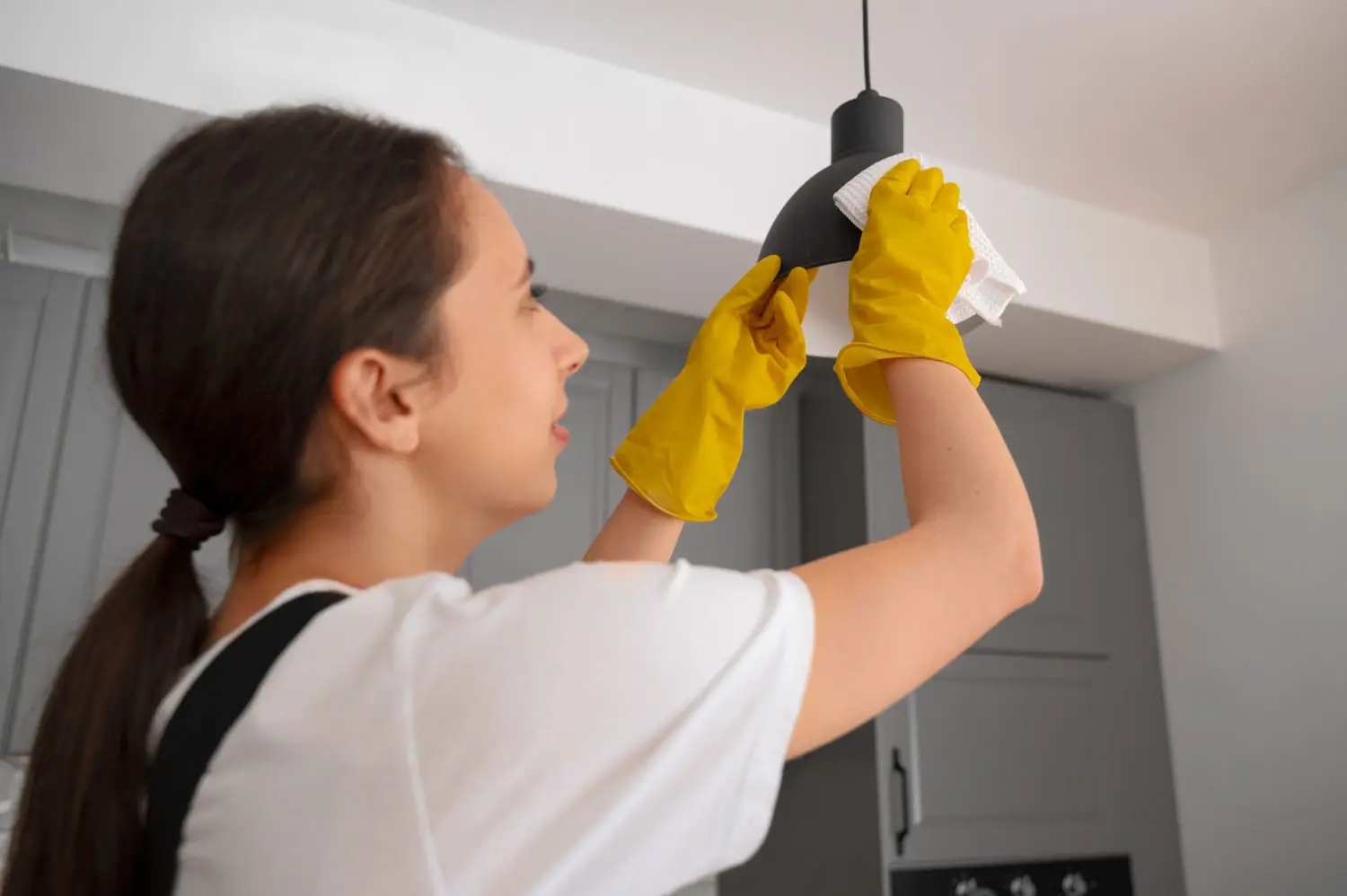
- Light Fixtures and Ceiling Fans: These are notorious dust collectors. Turn off the power, then carefully wipe down light fixtures and fan blades with a damp cloth.
- Electronics: TVs, computers, and other electronics attract dust due to static electricity. Use a microfiber cloth or specialized electronic wipes to clean these surfaces gently.
Deep Cleaning Fabrics and Upholstery: Eliminating Allergen Havens
Fabrics are magnets for dust mites, pet dander, and other allergens. A thorough fall deep cleaning must address all textile surfaces.
- Bedding: Wash all bedding – sheets, pillowcases, duvet covers, and blankets – in hot water (at least 130°F or 54°C) weekly to kill dust mites. Consider using allergen-proof covers for mattresses and pillows.
- Curtains and Blinds: Launder washable curtains according to their care instructions. For non-washable curtains or blinds, vacuum them thoroughly with an upholstery attachment or wipe them down with a damp cloth.
- Rugs and Carpets: Carpets are significant reservoirs for allergens. If possible, consider removing carpets, especially in bedrooms, and opting for hard flooring. If you have carpets, vacuum them 2-3 times a week with a HEPA-filtered vacuum. For a truly deep clean, professional carpet cleaning services can extract embedded allergens and dirt.
- Upholstered Furniture: Vacuum upholstered sofas, chairs, and other furniture regularly using an upholstery attachment. For a deeper clean, consider professional upholstery cleaning, which can remove deeply embedded allergens.
- Pet Beds: Wash pet beds frequently in hot water to reduce pet dander and dust mites.
Beyond the Surface: Addressing Mold and Moisture
Mold is a serious allergen and can also cause structural damage. Proactive measures during your fall deep cleaning can prevent its growth.
- Inspect for Leaks: Check under sinks, around windows, and in the basement for any signs of water leaks or dampness. Repair any leaks promptly.
- Ventilation: Ensure proper ventilation in bathrooms, kitchens, and laundry rooms. Use exhaust fans during and after showering or cooking.
- Dehumidifiers: In humid areas of your home or business, consider using a dehumidifier to keep indoor humidity levels below 50%. This inhibits mold and dust mite growth.
- Clean Damp Areas: Regularly clean and dry showers, tubs, and sinks. Use mold-inhibiting cleaners in bathrooms.
- Basement and Attic: These areas are often neglected but can be prime spots for mold. Ensure they are dry and well-ventilated. Remove any stored items that show signs of mold.
Kitchen and Bathroom: High-Traffic, High-Allergen Zones
These areas require special attention due to moisture and potential for food debris.
- Kitchen: Wipe down all surfaces, including inside cabinets and drawers. Clean out the refrigerator and pantry, discarding expired items. Pay attention to the often-forgotten areas like under the sink and behind appliances, where dust and crumbs can accumulate.
- Bathroom: Beyond mold prevention, thoroughly clean all fixtures, tiles, and grout. Disinfect surfaces to eliminate bacteria and viruses that can exacerbate allergy symptoms.
Professional Assistance: Elevating Your Fall Deep Cleaning Efforts
While a DIY approach to fall deep cleaning can achieve significant results, there are instances where professional expertise becomes invaluable, especially when dealing with extensive dust, stubborn allergens, or large commercial spaces. Professional cleaning services bring specialized equipment, advanced techniques, and trained personnel to the table, ensuring a level of cleanliness that is hard to replicate on your own.
- Specialized Equipment: Professionals often use industrial-grade HEPA vacuums, steam cleaners, and extractors that are far more powerful and effective than consumer-grade models. This is particularly beneficial for deep carpet and upholstery cleaning, where embedded allergens need to be thoroughly removed.
- Expertise in Allergen Removal: Experienced cleaners understand where allergens hide and the most effective methods for their eradication. They can identify potential mold issues, address specific dust mite hotspots, and provide comprehensive dust removal services that go beyond surface-level cleaning.
- Time and Efficiency: A thorough fall deep cleaning is a time-consuming endeavor. Hiring professionals frees up your valuable time, allowing you to focus on other priorities while ensuring the job is done meticulously and efficiently.
- Air Duct Cleaning: As mentioned earlier, professional air duct cleaning is a specialized service that can dramatically improve indoor air quality by removing years of accumulated dust, debris, and allergens from your HVAC system. This is a critical component of a truly comprehensive fall deep cleaning.
- Commercial Spaces: For businesses, maintaining an allergen-free environment is crucial for employee health and productivity, as well as for client comfort. Professional commercial cleaning services can implement tailored fall deep cleaning protocols to meet the specific needs of your facility, ensuring compliance with health standards and creating a welcoming, healthy atmosphere.
Choosing a reputable cleaning service that emphasizes meticulousness, dedication, and trust, like Clean Day Maids, can provide peace of mind, knowing that your home or business is in capable hands. They understand the nuances of effective allergen control and can deliver exceptional results, leaving you with a spotless and welcoming environment.
Sustaining the Clean: Maintaining an Allergen-Reduced Environment
The benefits of a thorough fall deep cleaning extend far beyond the initial effort. To truly prep for allergy season and maintain a healthy indoor environment, consistent maintenance is key.
- Regular Dusting and Vacuuming: Continue to dust with damp cloths and vacuum with a HEPA-filtered vacuum at least once a week.
- Filter Changes: Stick to a schedule for changing your HVAC filters.
- Humidity Control: Keep an eye on indoor humidity levels, especially in basements and bathrooms.
- Pet Grooming: If you have pets, regular grooming and bathing can help reduce dander.
- Shoe-Free Zones: Consider implementing a shoe-free policy indoors to prevent tracking in outdoor allergens.
- Declutter: Less clutter means fewer surfaces for dust to settle and fewer hiding spots for allergens.
By integrating these habits into your routine, you can significantly prolong the effects of your fall deep cleaning and continue to enjoy a healthier, more comfortable space throughout the cooler months.
Breathing Easy: Your Investment in a Healthier Fall
A comprehensive fall deep cleaning is more than just a seasonal chore; it’s a vital investment in the health and well-being of everyone who inhabits your space. By meticulously addressing dust mites, mold, pet dander, and other indoor allergens, you create an environment where breathing easy becomes the norm, not the exception. From the strategic removal of dust to the deep cleaning of fabrics and the proactive management of moisture, every step contributes to a healthier indoor atmosphere. Embracing a thorough fall deep cleaning, whether through dedicated DIY efforts or by leveraging professional dust removal services, ensures that you are truly prepped for allergy season, allowing you to savor the beauty and comfort of autumn without the constant battle against sneezes and sniffles.