
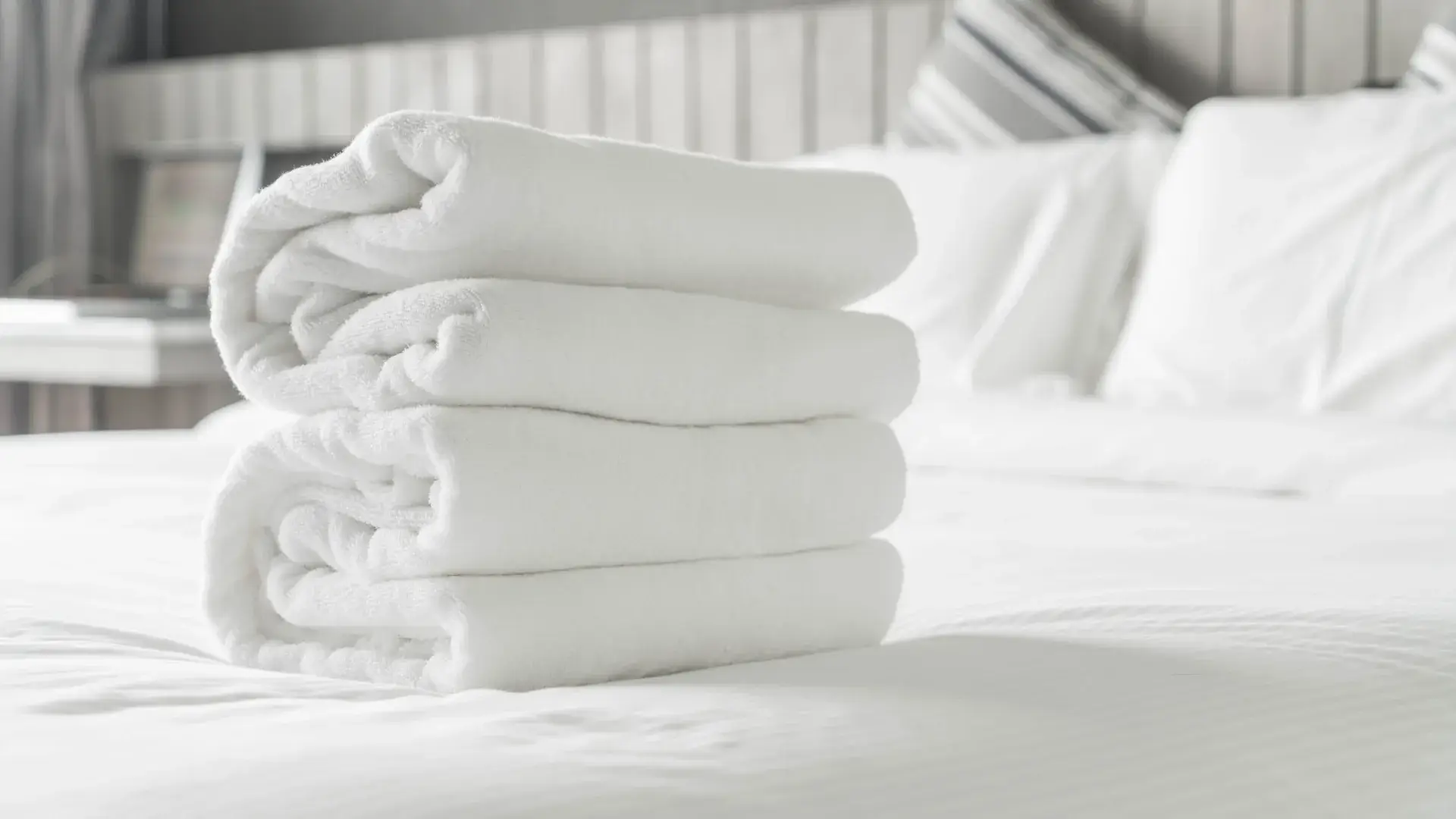
Most people sleep in the same sheets for far longer than they realize, and the gap between what feels clean and what actually is clean tends to be wider than expected. A bed looks made and tidy long after the sheets underneath have collected a week or more of sweat, skin cells, and dust, which is part of why this is one of the most commonly underestimated tasks in a home cleaning routine.
So how often should you wash bedding, really? The honest answer depends on the item, who is sleeping in the bed, and a few habits that speed up how quickly things get dirty. Climate, pets, and even the season all shift the answer slightly from one household to the next.
Bed sheet washing frequency
Wash sheets and pillowcases once a week. Duvet covers and pillowcases on top of a sham can stretch to every two weeks if a top sheet is used underneath. Comforters and duvets themselves only need washing every two to three months, while pillows benefit from a wash every three to six months.
Why bedding gets dirtier than people expect
An adult sheds roughly half a billion skin cells a day, and a large share of that ends up in bedding overnight. Add natural body oils, sweat, and dust that settles from the rest of the room, and a bed becomes one of the most active surfaces in a home for collecting everyday grime, even though it looks undisturbed each morning.
Dust mites feed on these skin cells and thrive in the warm, slightly humid environment a bed provides. They are too small to see, but their droppings are a common trigger for allergy symptoms in people who already deal with sensitive skin, asthma, or seasonal allergies. A single mattress can host a population of dust mites large enough to affect air quality in the entire bedroom, not just the surface of the bed itself.
How often should you wash bedding by item
Different parts of a bed collect grime at different rates, so a single rule does not fit everything:
- Sheets and pillowcases: every week, since these touch skin directly every night
- Duvet covers: every one to two weeks, depending on whether a top sheet is used underneath
- Comforters and duvet inserts: every two to three months
- Pillows: every three to six months
- Mattress protectors: every one to two months
- Blankets used on top of the bed: every two to four weeks if they touch skin, less often if they sit folded at the foot of the bed
Signs your bedding needs an extra wash this week
A few situations call for washing sooner than the usual schedule:
- Sweating more than usual from illness, heat, or exercise before bed
- A pet that sleeps on or near the bed regularly
- Eating in bed, even occasionally
- Recovering from a cold, flu, or skin condition
- Someone in the household has allergy symptoms that seem worse at night
Bedding hygiene guide for allergy sufferers
For anyone managing dust allergies or asthma, a tighter bed sheet washing frequency makes a noticeable difference. Washing sheets in hot water above 130°F kills more dust mites than a cooler, gentler cycle. Pillowcases washed weekly alongside sheets reduce direct exposure near the nose and mouth overnight, which is often where allergy symptoms feel most intense.
Allergen-proof covers on mattresses and pillows add another layer of protection between skin and the dust mites that live deeper in the mattress itself, where regular washing cannot reach.
How weather and season change bed sheet washing frequency
Hot, humid months push sweat production up significantly, which means bedding collects more moisture and oil overnight than it does in cooler weather. In the DMV region, where summer humidity is high for several months at a stretch, moving from a weekly wash to twice a week during peak summer keeps bedding noticeably fresher. Winter, with drier indoor heating, tends to slow this down slightly, though it does not eliminate the need for a consistent weekly routine.
How often should you wash bedding during illness or hot weather
A few situations call for tightening the usual bed sheet washing frequency rather than sticking to a fixed weekly schedule:
- Active illness with fever, since sweating increases significantly overnight
- A stretch of unusually hot weather, especially without strong air conditioning
- A new baby or infant sleeping in the same room, since their bedding needs more frequent washing on its own
- Recovering from a skin condition or rash that could be aggravated by bacteria buildup
In any of these cases, washing every three to four days, rather than waiting for the usual weekly mark, helps avoid both discomfort and a faster buildup of allergens.
Kids’ bedding and crib sheets need their own schedule
Children, especially younger ones, tend to sweat more relative to their body size and are more prone to accidents and spills overnight. Crib sheets benefit from a change every two to three days, while a school-age child’s bedding can usually follow the same weekly schedule as an adult’s, with extra washes added during illness or after a stomach bug moves through the house. Keeping a spare set of sheets on hand for kids’ beds makes it far easier to stick to a tighter schedule without scrambling at bedtime.
Common mistakes people make with bed sheet washing frequency
- Washing only the top sheet and skipping the fitted sheet for several cycles
- Forgetting pillowcases when sheets get changed
- Using cold water for the entire wash, which does little to reduce dust mites
- Letting a comforter go untouched for a year or more
- Skipping the mattress protector because it is hidden under the fitted sheet
What happens if you wait too long between washes
Bedding left unwashed for several weeks accumulates enough oil and dead skin to start affecting skin health, sometimes showing up as breakouts or irritation that seem unrelated to anything else in a routine. It also becomes a more comfortable environment for dust mites, whose droppings are one of the most common indoor allergy triggers in any home.
Cleaning teams who handle recurring visits see this pattern across nearly every type of household, regardless of how tidy the rest of the bedroom looks on the surface.
A pattern professional cleaners notice in bedrooms
During recurring home visits, cleaning teams often notice that guest rooms and rarely used beds collect dust just as fast as a bed slept in every night, simply because the room itself gets less daily airflow and attention. A guest bed that looks freshly made can still benefit from a wash before guests arrive, even if it has not been slept in for weeks.
A second pattern shows up in households with pets that sleep on the bed. Pet hair and dander settle into bedding fibers fast, which often means a household with pets needs to wash sheets and blankets closer to twice a week rather than the standard once-a-week schedule.
Mattress and pillow hygiene beyond the sheets
Washing sheets regularly helps, but the mattress and pillows underneath collect their own layer of dust, sweat, and dead skin that a sheet change does not touch. A mattress benefits from a light vacuum every few months to lift surface dust, along with airing out for a few hours whenever sheets come off for a wash. Allergen-proof covers, zipped fully closed around both the mattress and pillows, create a barrier that keeps dust mites from working their way into the deeper layers in the first place.
Pillows in particular tend to absorb more moisture and oil over a year than most people expect, simply from the number of hours a head rests against them every night. A pillow that has not been washed in over six months, even with a clean pillowcase on top, is still likely carrying a meaningful amount of buildup underneath.
According to the American Lung Association’s overview of dust mites, bedding is one of the most common places dust mites live in a home, which is exactly why washing frequency matters as much for air quality and allergies as it does for general cleanliness.
Frequently asked questions about washing bedding
How often should I wash my bedsheets if I shower before bed?
Once a week still applies in most cases, since skin continues to shed cells and produce oil overnight regardless of showering beforehand. Showering helps, but it does not remove the need for a regular wash.
How often to change sheets in a guest room?
Before and after each guest stay, even short ones. If the room sits unused for more than a month, a wash before the next guest arrives is worth doing regardless of whether anyone has slept there.
Can I wash a comforter at home or does it need dry cleaning?
Most comforters are machine washable, but check the care label first. Larger comforters often need a washer with extra capacity, and some laundromats have oversized machines built for this exact job.
Does washing bedding in cold water still kill dust mites?
Not as effectively. Hot water above 130°F does a much better job of reducing dust mites than a cold or warm cycle.
How often should pillows be washed versus replaced?
Wash every three to six months, but replace every one to two years regardless of washing, since pillows lose shape and accumulate allergens deep inside that washing alone cannot fully remove.
How often should you wash bedding if you live alone?
The same weekly schedule still applies. Living alone reduces some sources of grime, like a partner or pet sharing the bed, but skin cells and sweat build up regardless of how many people sleep in it.
Building a bedding routine that actually sticks
A simple way to stay consistent is to tie sheet washing to a fixed day each week, rather than waiting until it feels overdue. Once that habit is in place, the rest of the bedroom tends to follow the same rhythm, and the task stops feeling like an extra chore squeezed in whenever there is time.
Pairing a weekly bedding routine with a weekly cleaning plan keeps the bedroom consistently fresh, while a periodic deep cleaning visit handles mattress vacuuming and the dust that settles in spots a regular wash routine does not reach.