
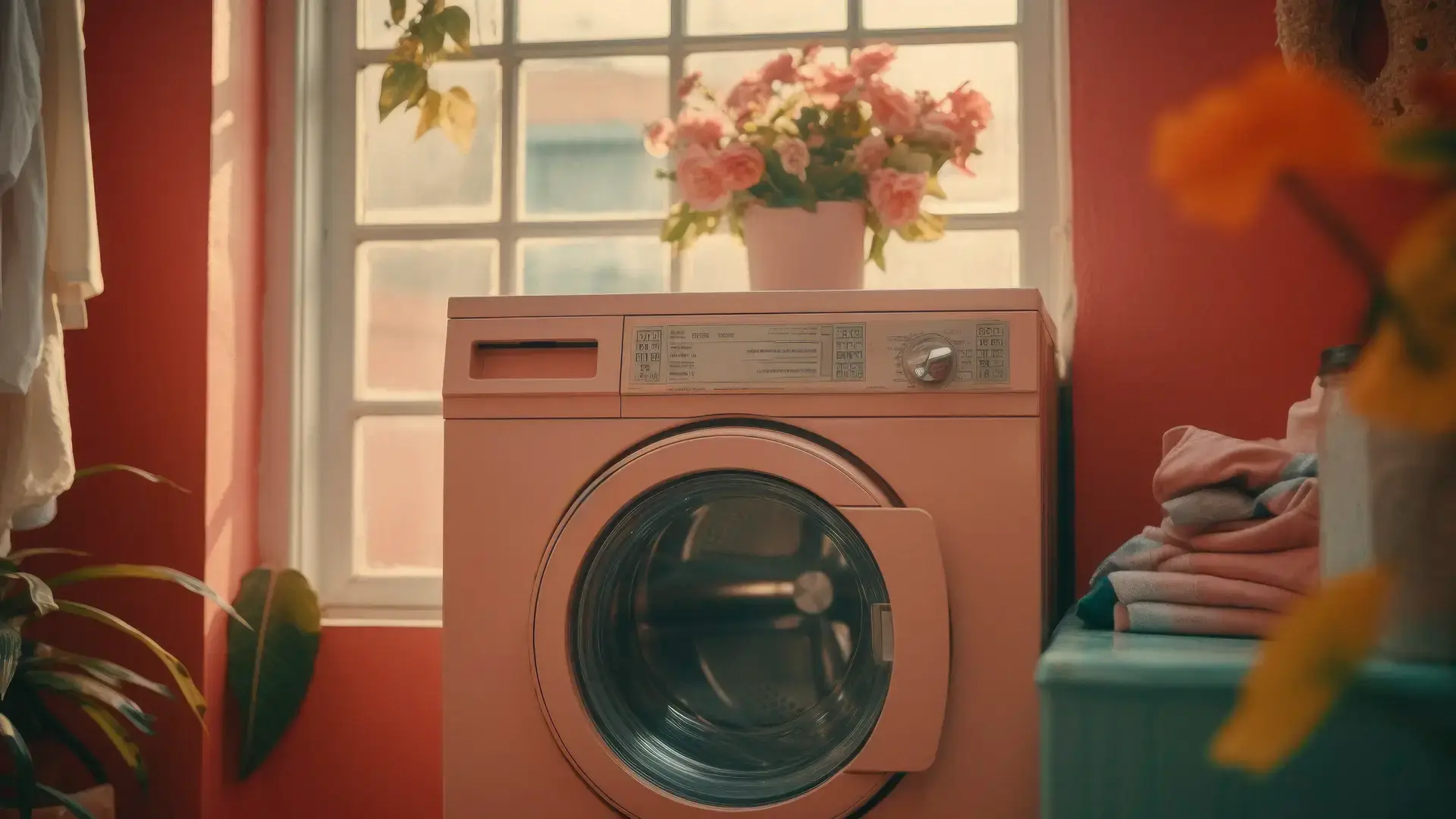
A washing machine cleans clothes, but it does not clean itself. Over time, soap residue, fabric softener, moisture, and lint build up inside the drum, gasket, and detergent drawer, creating exactly the conditions that allow mold and bacteria to thrive. The result is a machine that smells musty and, in some cases, transfers that smell onto freshly washed laundry.
Knowing how to clean washing machine with bleach is one of the most effective ways to reset a washer that has started to smell, disinfect the drum and internal surfaces, and remove the mold buildup that no regular wash cycle addresses on its own.
What a bleach cleaning cycle actually does
Running a bleach cleaning cycle through the washing machine disinfects the drum, kills mold and bacteria that have taken hold in the gasket and seals, and breaks down residue that builds up with regular use. It works differently from enzyme-based washer cleaning tablets, which focus more on breaking down organic buildup, and from vinegar rinses, which handle light odors but leave mold largely untouched.
Before starting: what you need
- Liquid chlorine bleach (not color-safe or non-chlorine bleach)
- Protective gloves
- A damp cloth or old toothbrush for the gasket and drawer
- A well-ventilated laundry area, either a window open or exhaust fan running
Do not mix bleach with any other cleaning product, including vinegar or commercial washer cleaners, in the same cycle. Bleach alone is the effective and safe option here.
How to clean washing machine with bleach: front loader
1. Wipe the gasket first
The rubber door seal, or gasket, on a front load washer is the most common place mold grows. Pull back the folds of the gasket and wipe the inside with a cloth dampened in a diluted bleach solution, about half a cup of bleach per quart of water. An old toothbrush handles the tight folds and creases the cloth cannot reach. Wipe with a clean damp cloth afterward to remove residue.
2. Clean the detergent drawer
Remove the detergent drawer completely. Most slide out with a release button on the inside. Rinse it under warm water and scrub any residue with a small brush, then dry it before putting it back.
3. Run the cleaning cycle
Add two cups of liquid chlorine bleach directly to the drum, not to the detergent drawer for this step. Select the hottest water setting, the longest cycle, and run the machine empty. This cycle circulates bleach through the drum, pump, and hoses, disinfecting the surfaces regular wash cycles do not reach.
4. Run a rinse cycle
After the bleach cycle completes, run one more hot water rinse cycle with nothing added. This clears bleach residue from the drum before laundry goes back in.
How to clean washing machine with bleach: top loader
1. Fill the drum with hot water first
Start a hot wash cycle and let the drum fill completely before adding bleach. This dilutes the bleach properly and distributes it evenly through the machine.
2. Add bleach, pause, and soak
Add four cups of liquid chlorine bleach once the drum is full. Pause the cycle and let the bleach solution sit for 30 to 60 minutes. This soaking step does the disinfecting work that a continuous cycle often rushes through.
3. Complete the cycle and run a rinse
Let the cycle run to completion, then run a second rinse cycle with no additives to clear residue from the drum and hoses.
4. Wipe the lid, rim, and agitator
Finish by wiping the inside of the lid, the drum rim, and, if the machine has one, the agitator, with a damp cloth dampened in the bleach solution from earlier. These surfaces collect lint and residue that the wash cycle water does not fully reach.
How often should you clean the washing machine
Running a bleach cleaning cycle once a month works well for most households. Machines used daily, or in high-humidity laundry rooms, may benefit from doing it every two to three weeks, since mold and mildew grow faster in persistently damp conditions.
Between deep cleans, leaving the door or lid open after each wash lets the drum dry out, which slows the mold and odor buildup significantly on its own.
How detergent buildup contributes to washing machine odor
High-efficiency washing machines use less water than older models, which means they need less detergent per load. Using the full cap of detergent in a high-efficiency machine that only needs a third of that amount leaves residue in the drum, hoses, and pump with every cycle. Over several weeks, this residue becomes a food source for the bacteria and mold that create the moldy washing machine smell.
Switching to high-efficiency detergent, or reducing the amount used per load, is one of the most underappreciated washing machine maintenance tips for front load washers in particular.
Front load vs. top load: why front loaders need more attention
Front load washers trap moisture inside the drum seal more effectively than top loaders, simply because the door closes horizontally and creates an airtight chamber when latched. After the cycle ends, any remaining moisture inside the gasket folds has nowhere to go until the door is opened. In a top loader, the open lid allows airflow from above, which dries the drum much faster between uses.
This physical difference is why front load washer cleaning needs to happen more frequently, and why the manual gasket wipe is an essential part of every bleach cleaning cycle, not an optional extra step. Professional cleaners who service laundry rooms regularly treat the front load gasket as its own separate cleaning task rather than something the bleach cycle handles automatically.
Watch for these signals between scheduled cleaning cycles:
- Laundry coming out with a musty smell despite a full wash cycle
- Visible black or gray spots on the gasket or drum rim
- A sour or mildewy smell when opening the door
- Soap residue visible on the drum walls after a cycle
- The machine has not been cleaned in more than two months
What causes the moldy washing machine smell
Mold and bacteria thrive in a washer because every wash cycle introduces moisture, warmth, and organic material such as fabric softener, detergent residue, and lint. Front loaders are more prone to this than top loaders because the door seal traps moisture more effectively, especially when the door is closed immediately after a wash. High-efficiency machines, which use less water, sometimes leave more concentrated residue behind as well.
Washing machine maintenance tips that extend the time between deep cleans
A few habits reduce how often the bleach cycle becomes urgent:
- Use the correct amount of detergent, since excess soap residue accelerates buildup
- Run the hottest cycle the machine offers for at least one load a week
- Remove laundry promptly and do not leave wet clothes sitting in the drum
- Leave the door or lid open between uses to allow the drum to dry out
- Wipe the gasket dry after each front load wash, since moisture in the folds is the primary cause of mold there
A second pattern shows up in households with hard water. Mineral deposits from hard water build up inside the drum and on the heating element over time, reducing efficiency and sometimes causing a faint metallic smell in freshly washed clothes. A bleach cleaning cycle does not address mineral buildup on its own. Pairing the monthly bleach cycle with a quarterly citric acid or descaling cycle gives the machine the most complete internal clean possible, each targeting a different type of buildup.
What happens if you never clean the washing machine
A washer that goes years without a cleaning cycle does not stop working, but it does stop working as well. Efficiency drops as buildup coats internal parts. Laundry comes out carrying a musty odor that gets blamed on storage or old pipes. The drum develops a visible gray or black film near the seal that spreads onto light-colored items over time. In severe cases, mold in the gasket and drum becomes extensive enough to require professional servicing rather than a simple DIY clean. The monthly bleach cycle prevents all of these outcomes with about 15 minutes of active effort.
A pattern professional cleaners notice in laundry rooms
During recurring home visits, cleaning teams often find washing machines that are otherwise kept in tidy laundry rooms but have never had a cleaning cycle run through them. The first sign is usually a smell that the household has attributed to old pipes, the laundry room itself, or musty towels, when the actual source is the washer. A single bleach clean cycle resolves it in most cases, and the difference in laundry smell afterward is immediately noticeable.
Front load washers, in particular, are something cleaning professionals flag consistently, since the gasket is almost always the source of the odor even when no visible mold is present to the homeowner looking in without pulling back the folds.
According to the EPA’s Safer Choice program, using the right amount of detergent and cleaning the machine regularly are among the most effective steps to reduce chemical buildup and microbial growth in home appliances, which aligns directly with the monthly bleach cycle as a maintenance practice.
Frequently asked questions about cleaning a washing machine with bleach
Can I use bleach in any washing machine?
Most standard and high-efficiency washing machines accept liquid chlorine bleach, but check the owner’s manual first. Some specialized machines or machines with stainless steel drums specify which cleaning products are compatible.
How much bleach should I use to clean a washing machine?
Two cups for a front loader added directly to the drum. Four cups for a top loader added after the drum fills with water. Do not exceed these amounts, since higher concentrations do not improve cleaning and may damage seals or hoses over time.
Can I use bleach and vinegar together to clean the washing machine?
No. Mixing bleach and vinegar produces chlorine gas. Use bleach in one cycle and, if a vinegar rinse is desired, run it as a completely separate cycle on a separate day after the bleach has fully cleared.
Why does my front load washer still smell after a bleach cycle?
The gasket is usually the cause. If the rubber folds were not wiped manually before the cycle, mold embedded in the creases may not fully clear with the cycle alone. Repeat the manual gasket wipe and run a second cycle.
Is it safe to wash clothes immediately after a bleach cleaning cycle?
After a full rinse cycle following the bleach clean, the drum is safe for laundry. If any bleach smell persists, run one additional rinse cycle before loading clothes.
Keeping laundry equipment as clean as the laundry itself
A washer that smells clean runs more efficiently and produces reliably fresh laundry. Running a monthly bleach cycle is a small step that prevents the kind of buildup that makes the job significantly harder once it has been allowed to accumulate for months.
Pairing this habit with a bi-weekly residential cleaning routine keeps the laundry room and surrounding areas consistently maintained, while a deep cleaning service covers the hard-to-reach spots like behind the machine, the dryer vent, and the area around appliances that regular cleaning cycles do not touch.