
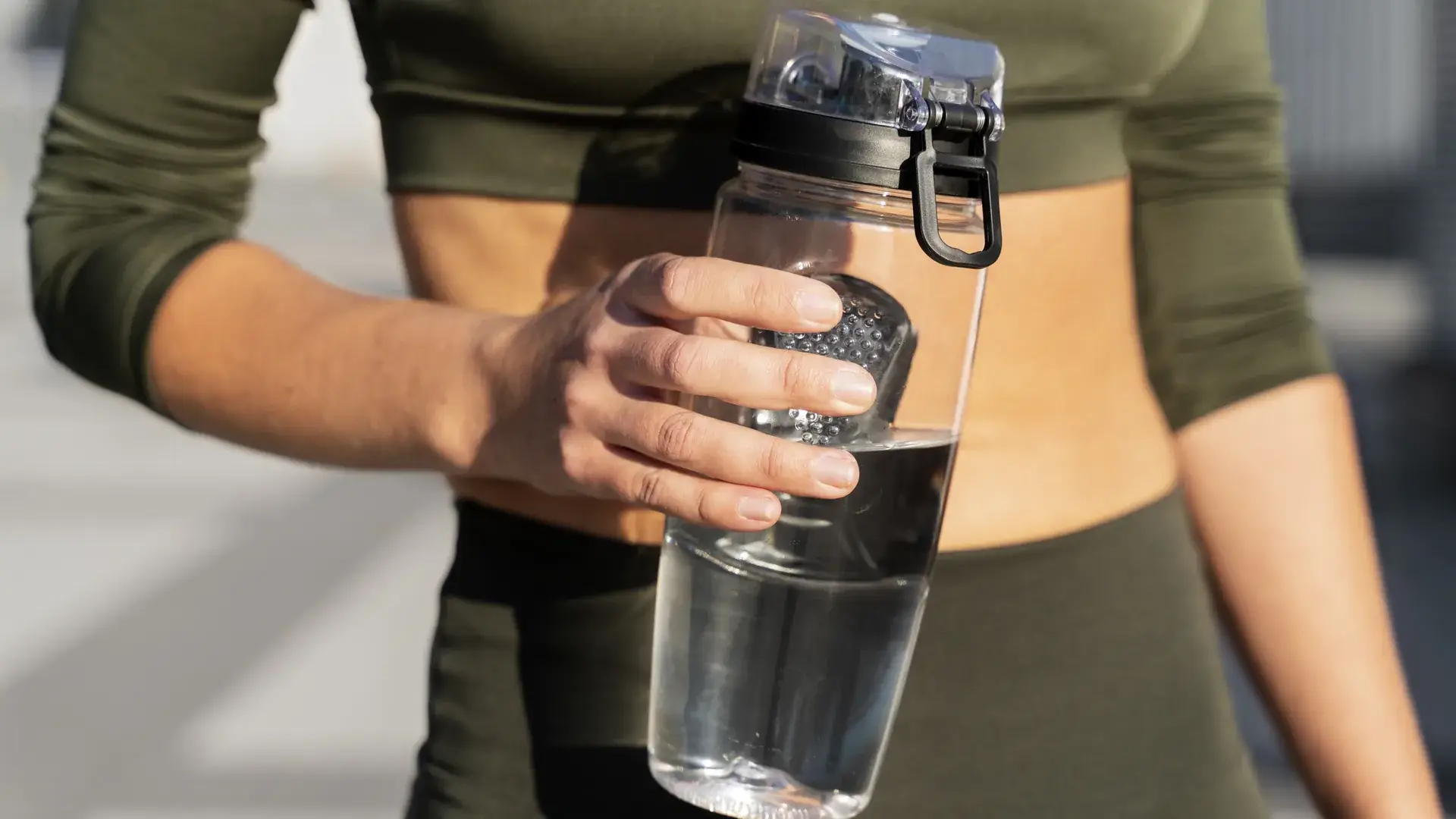
A reusable water bottle looks clean from the outside long after the inside has stopped being safe to drink from. A quick rinse under the tap removes almost nothing, and the warm, damp environment inside a bottle is exactly the kind of place bacteria and mold prefer.
Knowing how to sanitize water bottles properly takes only a few extra minutes, but it makes a real difference for anyone who refills the same bottle every day, whether it goes to the gym, the office, or a kid’s backpack.
What’s the quickest way to sanitize a water bottle?
Wash every piece, including the cap and straw, in hot water with dish soap, then soak the bottle in a mix of one teaspoon of unscented bleach per quart of water for one minute, or a half vinegar and half water solution for 30 minutes. Rinse thoroughly and air dry completely before using again.
Why reusable bottles need more than a quick rinse
A water bottle stays damp, warm, and dark for hours at a time, which is close to ideal conditions for bacteria to grow. Add a splash of juice, protein powder, or a flavor packet, and there is enough residue to feed that growth even faster.
Caps, straws, and the threads where the lid screws on are the parts most people skip, and they are also the parts that hold onto the most residue:
- A slimy film inside the straw that builds up within a few days
- A faint sour smell that lingers even after rinsing
- A cloudy ring near the waterline that does not wipe away easily
- Mold spots, often black or pink, forming in the cap seal
Most of this happens out of sight, which is exactly why a bottle that looks fine on a quick glance can still need a real wash. The narrower the opening or the straw, the harder it is to see buildup without taking the bottle apart completely.
How to sanitize water bottles step by step
1. Take apart every piece
Remove the cap, straw, and any rubber gasket or seal before starting. Bottles cleaned as one solid piece almost always miss the spots where grime collects fastest.
2. Wash with hot water and dish soap
Use a bottle brush to scrub the inside walls and bottom. A straw brush, a thin flexible brush made for this exact job, reaches inside narrow straws and tubes that a sponge cannot.
3. Soak in a vinegar or diluted bleach solution
For a deeper clean, soak the bottle and parts in a half water, half white vinegar solution for 30 minutes, or a diluted bleach solution of one teaspoon per quart of water for about one minute. Bleach should always be rinsed thoroughly afterward and never mixed with vinegar or any other cleaning product.
4. Scrub the cap, straw, and threads
The threads where the cap screws onto the bottle trap moisture and residue more than any other spot. A small brush, even an old toothbrush, works well to clean a water bottle’s threads without missing the grooves.
5. Air dry completely before reassembling
Leave every piece open and upside down on a drying rack until fully dry. Reassembling a damp bottle traps moisture inside and undoes most of the sanitizing just completed.
How to clean a water bottle with mold already growing inside
If mold has already appeared, usually a black, green, or pink film near the cap or bottom, soak every removable piece in a vinegar solution for one to two hours before scrubbing. Mold that has worked into scratches on the plastic may not fully come out, which is a sign the bottle has reached the end of its safe lifespan rather than something that needs a stronger cleaner.
How to clean a water bottle made of different materials
The right approach changes slightly depending on what the bottle is made of:
- Stainless steel, single wall: Hot water, dish soap, and a bottle brush handle daily cleaning. A vinegar soak works well for deeper sanitizing.
- Stainless steel, double wall or insulated: Avoid fully submerging in water if there is any vent or air gap near the base. Focus the soak on the inside cavity only.
- Glass: Sturdy enough for a dishwasher in most cases, though a silicone sleeve should be removed first, since residue often hides underneath it.
- Plastic: More prone to scratches that trap bacteria over time, so a gentler brush and more frequent replacement schedule both help.
- Collapsible silicone bottles: Turn inside out if possible to clean every fold, since these designs trap moisture in places a straight brush cannot reach.
Sanitizing bottles for sports and gym use
Bottles that travel to the gym pick up sweat residue on the outside and, in many cases, protein powder or electrolyte mix residue on the inside. Both speed up bacterial growth compared to a bottle used only for plain water. Rinsing immediately after a workout, rather than letting a used bottle sit in a gym bag until the next day, cuts down significantly on the smell and buildup that show up by the end of the week.
Common mistakes that lead to water bottle mold
A few habits make mold and odor more likely:
- Leaving a bottle capped while still damp inside
- Skipping the straw or cap seal because they look clean from the outside
- Reusing a bottle for days without a full wash, only rinsing between refills
- Storing a bottle in a closed bag or car where it stays warm and humid
- Using hot liquids in a bottle not rated for them, which can warp the seal and create gaps where moisture collects
How often should you sanitize a reusable bottle
A full wash with soap and water works well daily, especially for anyone who refills the bottle multiple times a day. A deeper sanitizing soak, with vinegar or diluted bleach, once or twice a week keeps bacteria and early mold from building up between regular washes. Bottles used for anything other than plain water, like smoothies or sports drinks, benefit from the deeper soak more often.
A bottle that sits unused for more than a day or two, such as one kept in a desk drawer or a gym bag between trips, should get a fresh wash before its next use rather than being refilled straight from storage. Stagnant water sitting in a closed bottle for an extended period is one of the more overlooked sources of bacterial growth in an otherwise clean kitchen.
Signs it’s time to replace the bottle, not just clean it
Cleaning solves most problems, but a few signs point to replacement instead:
- Scratches deep enough to trap residue that no longer comes out with scrubbing
- A smell that returns within a day of a full clean
- A cap or seal that no longer closes tightly
- Visible cracks, especially near the base or threads
Sanitizing a kid’s water bottle safely
Children’s bottles often have more small parts, valves, and silicone spouts than adult versions, and these parts hide residue in places easy to overlook. A full wash daily, with attention to the valve and spout, keeps a kid’s water bottle safe between school and home use. Diluted bleach solutions work fine for kids’ bottles too, as long as every piece gets a thorough rinse afterward and is left to dry completely before the next use.
What professional cleaners notice about everyday reusable items
During recurring home visits, cleaning teams often notice reusable water bottles sitting on a counter or in a dish rack that look clean but still carry a faint sour smell once opened. The outside gets wiped down regularly, while the inside, especially the straw and cap, goes weeks without a real scrub.
A related pattern shows up with bottles kept in a car for convenience. Heat inside a parked car speeds up bacterial growth significantly compared to a bottle stored at room temperature indoors, which is one reason a bottle left in a hot car for several days often needs a deeper sanitizing soak rather than a quick rinse before its next use.
According to the CDC’s guidance on mold cleanup, mold can grow on almost any damp surface within 24 to 48 hours, which lines up closely with how quickly a water bottle left damp and capped can start to smell or grow a visible film.
Frequently asked questions about sanitizing water bottles
Can I put my water bottle in the dishwasher to sanitize it?
Many bottles are dishwasher safe, but check the manufacturer’s label first, since heat can warp some plastics and silicone seals. The dishwasher’s hot water and drying cycle does help sanitize most parts effectively.
How do I remove a sour smell from a water bottle?
Soak overnight in a mix of warm water and baking soda, then wash normally the next morning. This handles most lingering odors that a regular wash does not fully clear.
Is vinegar or bleach better for sanitizing a water bottle?
Vinegar is gentler and works well for routine maintenance. Diluted bleach handles tougher mold or bacteria buildup more effectively, but always needs a thorough rinse afterward.
How often should kids’ water bottles be deep cleaned?
A full wash daily, with a deeper vinegar soak two to three times a week, keeps a kid’s bottle in good shape, since children’s bottles tend to collect more residue from snacks and drinks mixed in.
Why does my water bottle smell even after washing it?
A lingering smell usually means the straw, cap seal, or threads were not cleaned along with the main bottle body. These smaller parts hold onto odor longer than the bottle itself.
Can stainless steel bottles get moldy inside?
Yes, especially around the cap and threads where moisture collects. Stainless steel resists mold better than plastic, but it is not immune, particularly if the bottle stays damp and closed for long stretches.
Keep daily essentials as clean as the rest of the home
A water bottle is small, but it is also one of the most-touched items in a daily routine, which makes its hygiene worth the extra few minutes each week. The same attention that goes into sanitizing reusable bottles fits naturally into a broader home hygiene habit, alongside other everyday items like lunch boxes, travel mugs, and cutting boards that get reused daily without always getting a deep clean.
Pairing this kind of small daily upkeep with a residential cleaning plan keeps the rest of the kitchen and counters just as consistent, while a bi-weekly cleaning schedule handles the bigger surfaces in between.