
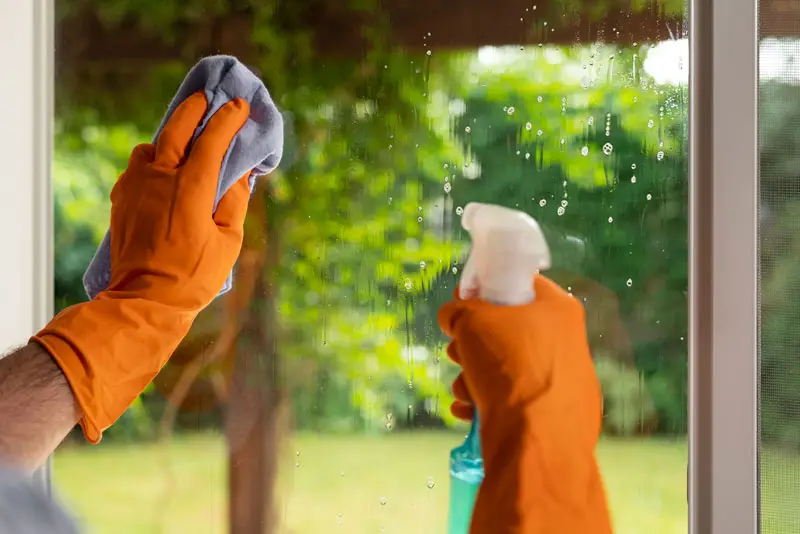
Nothing transforms the ambiance of a room quite like the abundance of natural light streaming through pristine glass. However, over time, a gradual buildup of dust, fingerprints, and cooking residue can create a hazy film that dulls your view and diminishes the brightness of your home.
Achieving a truly streak-free finish often feels like an elusive goal for many homeowners, leading to frustration and wasted effort. By understanding the proper techniques and the science behind effective cleaning, you can turn a chore into a satisfying process that instantly revitalizes your living space.
The Importance of Regular Interior Glass Cleaning
While exterior windows often get the most attention due to weather exposure, interior window washing is equally crucial for maintaining a healthy and aesthetically pleasing environment. Inside your home, windows act as magnets for airborne particles, pet dander, and oils from human touch. If left unattended, this grime can etch into the glass over time, potentially causing permanent damage. Furthermore, clean windows allow for better thermal efficiency by letting in more warming sunlight during the colder months.
Consistently performing interior window washing also improves indoor air quality. The corners and sills of your windows are notorious trapping grounds for allergens and mold spores. When you neglect interior glass cleaning, you allow these irritants to circulate whenever a breeze comes through. Therefore, mastering this skill is not just about vanity; it is about creating a sanitary sanctuary.
5 Ways to Elevate Your Interior Window Washing Routine
To achieve professional-grade clarity, you must move beyond simply spraying and wiping. Here are five distinct methods and principles to ensure your interior window washing efforts yield spectacular results.
1. Select the Correct Cleaning Solution
The chemistry of your cleaning agent dictates your success. Many commercial cleaners contain heavy soaps or dyes that leave a residue behind, which actually attracts more dust later. For superior interior window washing, you need a solution that evaporates quickly.
- DIY Vinegar Mix: A mixture of one part distilled white vinegar to ten parts warm water is excellent for cutting through grease without leaving streaks.
- Alcohol-Based Cleaners: Adding a splash of rubbing alcohol to your water helps the solution dry faster, reducing the risk of water spots during interior window washing.
- Dish Soap Caution: If you use dish soap, use it sparingly. A few drops in a gallon of water are sufficient; anything more will create a soapy film that requires excessive rinsing.
2. Master the Squeegee Technique
The squeegee is the undisputed king of interior glass cleaning. While cloth wiping is common, it often just redistributes dirt. A squeegee physically removes the dirty water from the surface.
To use it effectively during interior window washing, start at the top corner and pull the squeegee horizontally across the pane. Wipe the rubber blade with a lint-free cloth after every single stroke. Overlap your strokes slightly to ensure no water lines are left behind. This mechanical removal of dirty fluid is the secret to the clarity you see in commercial buildings.
3. Utilize High-Grade Microfiber
If you prefer not to use a squeegee, or if you are detailing the edges after squeegeeing, the type of cloth you use is paramount. Paper towels are the enemy of effective interior window washing because they leave lint and dissolve when wet.
Instead, invest in tight-weave microfiber towels designed specifically for glass. These cloths have a texture that grabs dust and holds moisture without shedding fibers. When performing interior glass cleaning, keep two cloths on hand: one damp cloth for scrubbing the dirt away and a second, dry cloth for buffing the glass to a shine immediately after.
4. Preparation of the Surrounding Area
Successful interior window washing begins before the glass is even touched. If you apply liquid to a window that has dusty sills or frames, the liquid will drip down, mix with the dust, and create a muddy mess that is difficult to clean.
- Vacuum First: Use a brush attachment to vacuum the sills, tracks, and frames.
- Dry Dusting: Wipe down the blinds and curtain rods to prevent dust from falling onto your freshly cleaned glass.
- Drop Cloths: Place a towel on the floor or sill to catch drips, protecting your woodwork and flooring from water damage during the interior window washing process.
5. Timing and Lighting Strategy
Believe it or not, the weather plays a significant role in interior glass cleaning. Many people assume a bright, sunny day is the best time to clean, but this is a misconception.
Direct sunlight heats up the glass pane. Consequently, when you apply your cleaning solution during interior window washing, it evaporates too quickly—before you have a chance to wipe it off. This rapid evaporation leaves behind dried mineral deposits and streaks. For the best results, schedule your interior window washing for a cloudy day or work on windows that are currently in the shade.
Common Mistakes in Interior Window Washing
Even with the best intentions, certain habits can sabotage your interior window washing goals. Being aware of these pitfalls is essential for maintaining pristine glass.
One major error is using too much liquid. You do not need to soak the window to clean it. Excessive water can run down into the window seals and woodwork, potentially causing rot or mold growth over time. Precision is key in interior glass cleaning.
Another frequent mistake is cleaning in a circular motion. While this feels natural, it generates static electricity which attracts dust back to the glass. Additionally, circular buffing makes streaks harder to see and remove. Instead, use vertical or horizontal strokes during interior window washing. This makes it easier to spot missed areas and correct them instantly.
Essential Tools for Interior Glass Cleaning
To perform interior window washing efficiently, having the right toolkit is non-negotiable. You do not need expensive machinery, but quality hand tools make a significant difference.
- The Scrubber: A T-bar wand with a microfiber sleeve is excellent for agitating dirt on the glass before squeegeeing.
- The Scraper: For stuck-on debris like paint specks or insect marks, a fresh razor blade (used only on wet glass) is invaluable during interior window washing.
- The Bucket: A rectangular bucket that fits your squeegee allows for easy rinsing.
- The Extension Pole: This ensures you can reach high windows safely without relying on unstable ladders, making interior glass cleaning safer.
The Nuances of Hard Water Stains
Sometimes, interior window washing reveals stubborn white spots that standard cleaning cannot remove. These are hard water stains, caused by minerals like calcium and magnesium bonding to the glass.
If you encounter this during interior glass cleaning, you may need a specialized acidic cleaner or a mild abrasive like 0000 steel wool. However, you must be incredibly gentle to avoid scratching the glass. Regular interior window washing prevents these minerals from building up to a point where aggressive restoration is needed.
Safety Considerations for High Windows
When your interior window washing involves heights, safety must be the priority. Never stand on furniture to reach a window. If a step ladder is necessary, ensure it is placed on a non-slip surface.
For vaulted ceilings or two-story foyers, utilizing an extension pole is the smartest approach to interior glass cleaning. Modern tools allow you to snap squeegees and scrubbers onto telescopic poles, giving you the reach you need while keeping your feet firmly planted on the ground. This approach ensures that your interior window washing routine remains injury-free.
Crystal Clear Finale
Ultimately, the state of your windows reflects the care you put into your home. By adopting these professional techniques and avoiding common errors, you can ensure that your view remains unobstructed and your home feels brighter. Consistent interior window washing is an investment in the atmosphere of your living space, providing clarity that enhances every room. Whether you tackle one room at a time or dedicate a day to the entire house, the reward of sparkling glass makes the effort of interior window washing entirely worthwhile.