
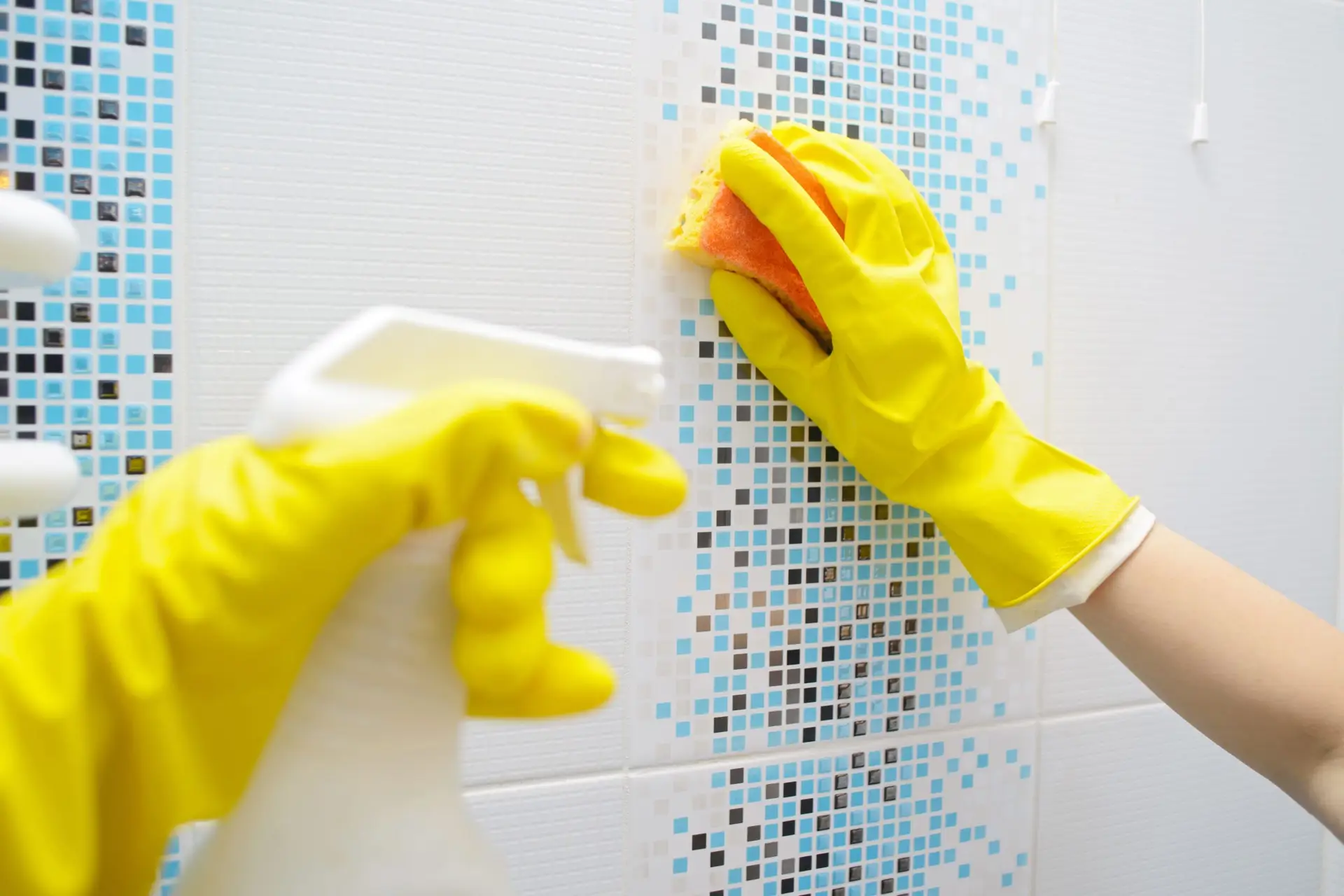
Bathroom tile is designed to be durable, but it isn’t immune to the daily wear and tear of soap, minerals, and humidity. Over time, that once-glossy finish can turn dull, and grout can transform from bright white to a dingy gray. Keeping your tile looking “showroom new” isn’t about using the strongest bleach you can find—it’s about controlling moisture and preventing buildup before it becomes a permanent stain.
Quick Answer: The Tile Maintenance Baseline
To keep your tile pristine, focus on moisture management. After every shower, use a squeegee to remove excess water, and ensure your bathroom is well-ventilated to stop mildew in its tracks. Perform a light, routine cleaning with a pH-neutral cleaner to prevent soap scum buildup, and gently address grout lines before they darken. Consistent, gentle care will always outperform a harsh “deep clean” once a year.
Control Moisture After Every Shower
The biggest enemy of your bathroom tile is sitting water. When water evaporates, it leaves behind minerals (hard water spots) and provides a breeding ground for mold and mildew.
- The Power of Ventilation: Always run your exhaust fan during your shower and leave it running for at least 20 minutes afterward. If you have a window, crack it open to allow for cross-ventilation.
- The Squeegee Habit: It takes 30 seconds to squeegee your shower walls after use. This simple act prevents water from settling into the grout pores, which is where 90% of bathroom grime starts.
- Dry the Corners: Use a microfiber towel to wipe down the corners where the tile meets the floor or tub. These areas are the most prone to water pooling and, consequently, mildew growth.
Use Gentle Cleaning Products Consistently
Many homeowners ruin their tile by using harsh chemicals that strip away protective sealants or etch the surface.
- Choose the Right Product: For standard ceramic or porcelain, a mild, non-acidic soap or a specialized tile cleaner is best.
- Natural Stone Warning: If you have natural stone (marble, slate, travertine), avoid all acidic cleaners like vinegar or lemon. These will permanently etch your tile, leaving dull, chalky spots. Always look for a pH-neutral cleaner labeled “safe for stone.”
- Avoid the “Scratch” Trap: Never use steel wool or harsh abrasive scouring pads. These create microscopic scratches in the glaze of the tile. Once the glaze is scratched, dirt gets trapped inside those grooves, making your tile look permanently dingy no matter how hard you scrub.
Protect Grout Lines
Grout is the most porous part of your shower and the most likely to show signs of age.
- Stay Ahead of Buildup: If you notice the grout lines darkening, don’t wait for a “deep clean.” Use a soft-bristled brush to gently agitate the area with your regular tile cleaner. This “micro-cleaning” takes seconds but prevents deep-set staining.
- The Sealing Factor: Grout should be sealed every year or two. If water no longer “beads up” on your grout lines, it is likely time to re-seal. Sealed grout is moisture-resistant and significantly easier to keep clean.
When Professional Bathroom Cleaning Helps
Even with the best habits, minerals in your water and stubborn soap scum can eventually accumulate in ways that household brushes can’t reach.
At Clean Day Maids, we treat bathrooms with a precision-based approach. We use surface-safe, professional-grade products that effectively lift hard-water deposits and soap scum without compromising the integrity of your tile or grout. By scheduling a recurring bathroom cleaning service, you ensure that your bathroom remains at a high “baseline” of cleanliness, preventing the long-term buildup that leads to expensive restoration projects.
Want a bathroom that sparkles every day? Click here to schedule your professional cleaning visit with Clean Day Maids!
Frequently Asked Questions
- How often should bathroom tile be cleaned? A quick wipe-down with a microfiber cloth once a week keeps the gloss intact. A more thorough cleaning of the shower area should happen every two weeks to prevent buildup.
- What keeps grout from getting dirty? Sealing your grout is the best prevention. If the sealant is intact, dirt and water cannot penetrate the cement.
- Why does bathroom tile look cloudy? “Cloudiness” is usually caused by a buildup of soap scum or hard water mineral deposits. It can also be caused by using cleaners that leave behind a sticky, invisible residue.
- Can professional cleaning help maintain bathroom tile? Yes. Regular professional cleaning prevents the type of heavy mineral and grime buildup that requires aggressive, potentially damaging scrubbing to remove.