
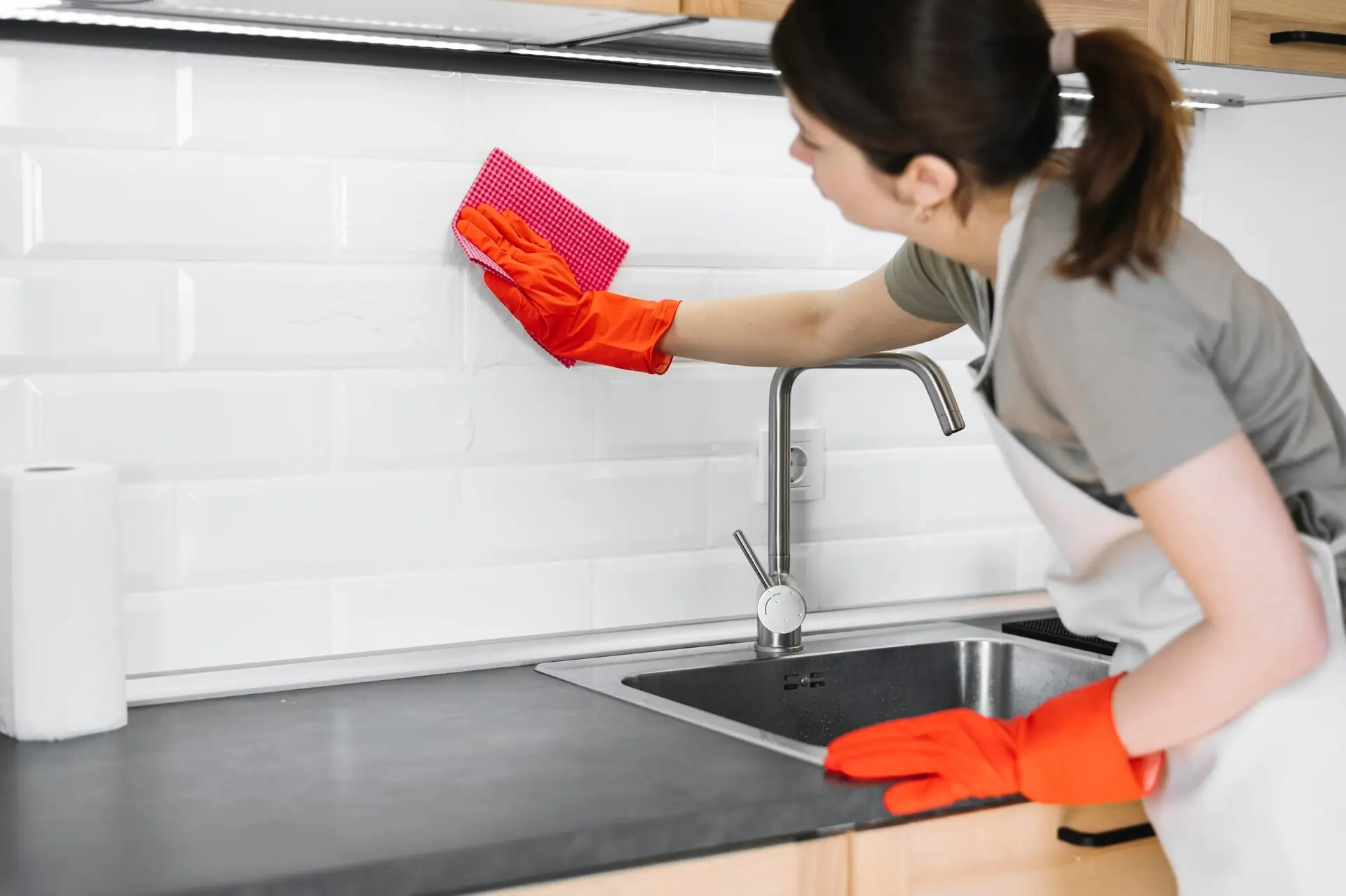
The heart of any successful food service operation is a meticulously maintained kitchen. It’s not just about aesthetics; it’s about hygiene, safety, and efficiency. A truly clean kitchen prevents cross-contamination, extends appliance life, and creates a more pleasant working environment for your staff. Regular daily cleaning is essential, but a deep kitchen cleaning takes your standards to the next level, ensuring every nook and cranny sparkles.
Achieving this level of cleanliness requires a systematic approach and the right tools. This guide will walk you through the critical steps involved in a thorough deep kitchen cleaning, focusing on commercial environments. We’ll cover everything from degreasing surfaces to sanitizing appliances, helping you maintain a pristine and compliant workspace.
Step 1: Essential Preparations for Effective Kitchen Cleaning
Before you even think about scrubbing, proper preparation is paramount. This initial phase sets the stage for an efficient and effective deep kitchen cleaning. Neglecting these steps can lead to wasted effort and less-than-optimal results. Therefore, take the time to organize and secure your workspace.
First and foremost, ensure the safety of your team. This means gathering all necessary personal protective equipment (PPE) such as gloves, eye protection, and non-slip footwear. Furthermore, clear the area of any loose items, food products, and small appliances that could obstruct your cleaning efforts. This simple act of decluttering will significantly streamline the entire process.
Gathering Your Kitchen Cleaning Arsenal
Having the right tools and cleaning agents on hand is crucial for any deep kitchen cleaning project. Consequently, a well-stocked cleaning cart will save you time and effort. You will need a variety of supplies to tackle different surfaces and types of grime.
Consider these essential items for your commercial kitchen cleaning kit:
- Heavy-duty degreasers: These are indispensable for breaking down stubborn grease and oil.
- All-purpose cleaners: Ideal for general surface wiping and light spills.
- Sanitizers and disinfectants: Absolutely vital for eliminating bacteria and viruses, especially on food contact surfaces.
- Microfiber cloths and sponges: Excellent for trapping dirt and preventing streaks.
- Scrub brushes and scouring pads: Necessary for tackling baked-on food and tough stains.
- Floor cleaners and mops: For maintaining a safe and hygienic floor.
- Buckets and spray bottles: For mixing and applying cleaning solutions.
- Trash bags: For efficient waste disposal.
Step 2: Mastering Degreasing Kitchen Surfaces
Grease buildup is a persistent challenge in any commercial kitchen. It not only looks unsightly but also poses fire hazards and harbors bacteria. Therefore, effective degreasing kitchen surfaces is a cornerstone of deep kitchen cleaning. This process demands powerful products and diligent application.
Start by applying a commercial-grade degreaser to all greasy areas. This includes stovetops, ovens, range hoods, backsplashes, and even walls near cooking stations. Allow the degreaser to sit for the recommended dwell time, as this allows the chemicals to break down the grease effectively. Subsequently, use a sturdy scrub brush or scouring pad to agitate the loosened grime.
For particularly stubborn grease, you might need to repeat the application or use a steam cleaner. Always remember to rinse thoroughly with clean water after degreasing to remove any chemical residue. This step is critical for food safety and to prevent streaks.
Step 3: Comprehensive Appliance Exterior Cleaning
While the interiors of appliances often get the most attention, appliance exterior cleaning is equally important for maintaining a professional appearance and overall hygiene. Grime and fingerprints can quickly accumulate, detracting from your kitchen’s cleanliness. Furthermore, a clean exterior contributes to a positive impression for health inspectors and visitors alike.
Begin by wiping down all stainless steel surfaces with a suitable cleaner. Many commercial kitchens feature stainless steel, which requires specific care to prevent streaks and corrosion. Use a microfiber cloth for best results, wiping in the direction of the grain. Moreover, pay close attention to handles, knobs, and control panels, as these are high-touch areas that can harbor germs.
For other appliance exteriors, such as refrigerators, freezers, and dishwashers, use an all-purpose cleaner or a mild degreaser if necessary. Don’t forget the sides and tops of appliances, which often collect dust and grease over time. A thorough appliance exterior cleaning ensures a consistent level of cleanliness throughout your workspace.
Step 4: The Art of Fridge Sanitization Service
The refrigerator is a critical component of any commercial kitchen, storing perishable ingredients. Consequently, a dedicated fridge sanitization service is non-negotiable for food safety. Regular cleaning prevents the growth of mold, mildew, and harmful bacteria, protecting both your food and your customers.
First, completely empty the refrigerator. This allows you full access to all interior surfaces. Discard any expired or spoiled food items immediately. Next, remove all shelves, drawers, and removable compartments. Wash these items thoroughly in hot, soapy water, then rinse and sanitize them.
Inside the fridge, wipe down all surfaces with a food-safe sanitizer. Pay special attention to spills and sticky residues. For a truly effective fridge sanitization service, consider using a solution of diluted bleach or a commercial sanitizing spray. Allow the sanitizer to dwell for the recommended time before wiping it clean with a damp cloth. Finally, dry all surfaces completely before returning the shelves and food items.
Step 5: Deep Cleaning Inside Cabinets and Storage Areas
Often overlooked, the inside of cabinets and storage areas can become breeding grounds for dust, crumbs, and even pests. Therefore, cleaning inside cabinets is an integral part of a comprehensive deep kitchen cleaning. This step ensures that all your stored items remain hygienic and accessible.
Start by emptying all cabinets and drawers. This is an excellent opportunity to declutter and discard any unnecessary items. Wipe down the interior surfaces with an all-purpose cleaner, paying attention to corners and crevices where debris might accumulate. For sticky residues, a mild degreaser might be necessary.
After cleaning, allow the cabinets to air dry completely before returning items. Consider lining shelves with washable shelf liners to make future cleaning easier. This proactive approach to cleaning inside cabinets contributes significantly to the overall cleanliness and organization of your commercial kitchen.
Step 6: Ensuring Surface Sanitization
Beyond just cleaning, surface sanitization is crucial, especially in a commercial kitchen where food preparation occurs. While the term “surface sanitization home” might imply residential settings, the principles are even more critical in a commercial environment. Sanitization reduces the number of microorganisms to a safe level, preventing the spread of illness.
After cleaning all surfaces – including countertops, cutting boards, sinks, and prep tables – apply a food-safe sanitizer. Ensure the sanitizer meets regulatory standards for commercial kitchens. Follow the product’s instructions carefully regarding dilution and dwell time. This dwell time is essential for the sanitizer to effectively kill bacteria and viruses.
Use clean cloths or paper towels to apply the sanitizer, and avoid cross-contamination by using separate cloths for different areas. Proper surface sanitization is a non-negotiable step in maintaining a hygienic and compliant commercial kitchen.
Step 7: The Importance of a Thorough Cleaning Service
A truly thorough cleaning service goes beyond the visible. It encompasses every aspect of your kitchen, ensuring that even the hidden areas are addressed. This holistic approach is what defines a deep kitchen cleaning and sets a high standard for hygiene. It’s about creating an environment where food safety is paramount and operational efficiency is maximized.
This includes cleaning hard-to-reach areas, such as behind appliances, under sinks, and high ledges. These spots often accumulate dust, grease, and debris that can attract pests. Furthermore, don’t forget to clean and sanitize floor drains, which can harbor bacteria and odors. A comprehensive approach ensures that no stone is left unturned in your quest for a pristine kitchen.
Take into account the ventilation system as well. Although it frequently needs expert care, routinely cleaning the filters and reachable components of the hood system is essential for maintaining air quality and fire prevention. A comprehensive cleaning service addresses all these factors, enhancing safety and productivity in the workplace.
Maintaining Your Spotless Kitchen
Once you’ve completed a deep kitchen cleaning, the next challenge is maintaining that pristine condition. Implementing a consistent daily and weekly cleaning schedule is essential to prevent grime buildup and reduce the need for frequent deep cleans. Empower your staff with clear cleaning protocols and provide them with the necessary tools and training.
Regular spot cleaning throughout the day, especially after spills, will make a significant difference. Furthermore, ensure that all cleaning tasks are assigned and regularly checked. A proactive approach to maintenance will not only keep your kitchen looking its best but also ensure it consistently meets health and safety standards.
Your Path to an Impeccable Kitchen Cleaning
Achieving and maintaining an impeccably clean commercial kitchen is an ongoing commitment, but it’s one that pays dividends in safety, efficiency, and reputation. By systematically tackling each area, from degreasing surfaces to providing a thorough fridge sanitization service, you ensure a hygienic and compliant environment. This comprehensive approach to kitchen cleaning not only meets regulatory requirements but also fosters a healthier and more productive workspace for everyone.