Living with pets brings comfort, companionship, and personality into a home. Pets quickly become part of daily routines and family life. At the same time, fur and dander can become one of the most constant cleaning challenges. Hair spreads across floors, furniture, fabrics, and clothing faster than most people expect.
Creating a realistic routine makes a big difference. A structured approach to managing fur helps reduce buildup, keeps air fresher, and protects furniture and flooring. When shedding is handled consistently, cleaning becomes faster and less stressful for pet owners.
Why Fur Becomes a Whole-Home Cleaning Issue
Pet hair is not only something you see on the couch or floors. It also traps dust, allergens, and outdoor particles. When hair mixes with natural skin oils and humidity, it sticks more strongly to fabrics and surfaces.
Following strong pet hair control habits helps prevent fur from spreading into hidden areas like vents, under furniture, and inside closets. Airflow also plays a role. Hair can move from room to room through normal air circulation, even when pets stay mostly in one space.
The Most Common Fur Challenges Pet Owners Experience
Many homes experience similar fur patterns when routines are inconsistent. Hair usually collects in predictable places throughout the house.
Common problems include:
• Hair collecting under furniture
• Fur sticking to bedding and upholstery
• Odors getting trapped inside fabrics
• Dust building faster indoors
A consistent routine supports effective pet hair control and helps reduce fur buildup across the home.
Daily Habits That Help Reduce Fur Buildup
Daily cleaning does not need to be complicated. Small actions prevent heavy accumulation later.
Helpful daily habits include:
• Quick vacuuming in high-traffic areas
• Lint rolling furniture and clothing
• Brushing pets regularly
• Cleaning pet sleeping zones
Daily consistency supports strong pet hair control and prevents fur from layering into fabrics and carpets.
Regular brushing is especially helpful. Removing loose hair before it lands on floors and furniture reduces overall cleaning time.
Vacuum Methods That Improve Fur Removal
Vacuuming is one of the most important tools for managing shedding, but technique matters just as much as timing.
Helpful vacuum habits include:
• Vacuuming slowly to lift embedded hair
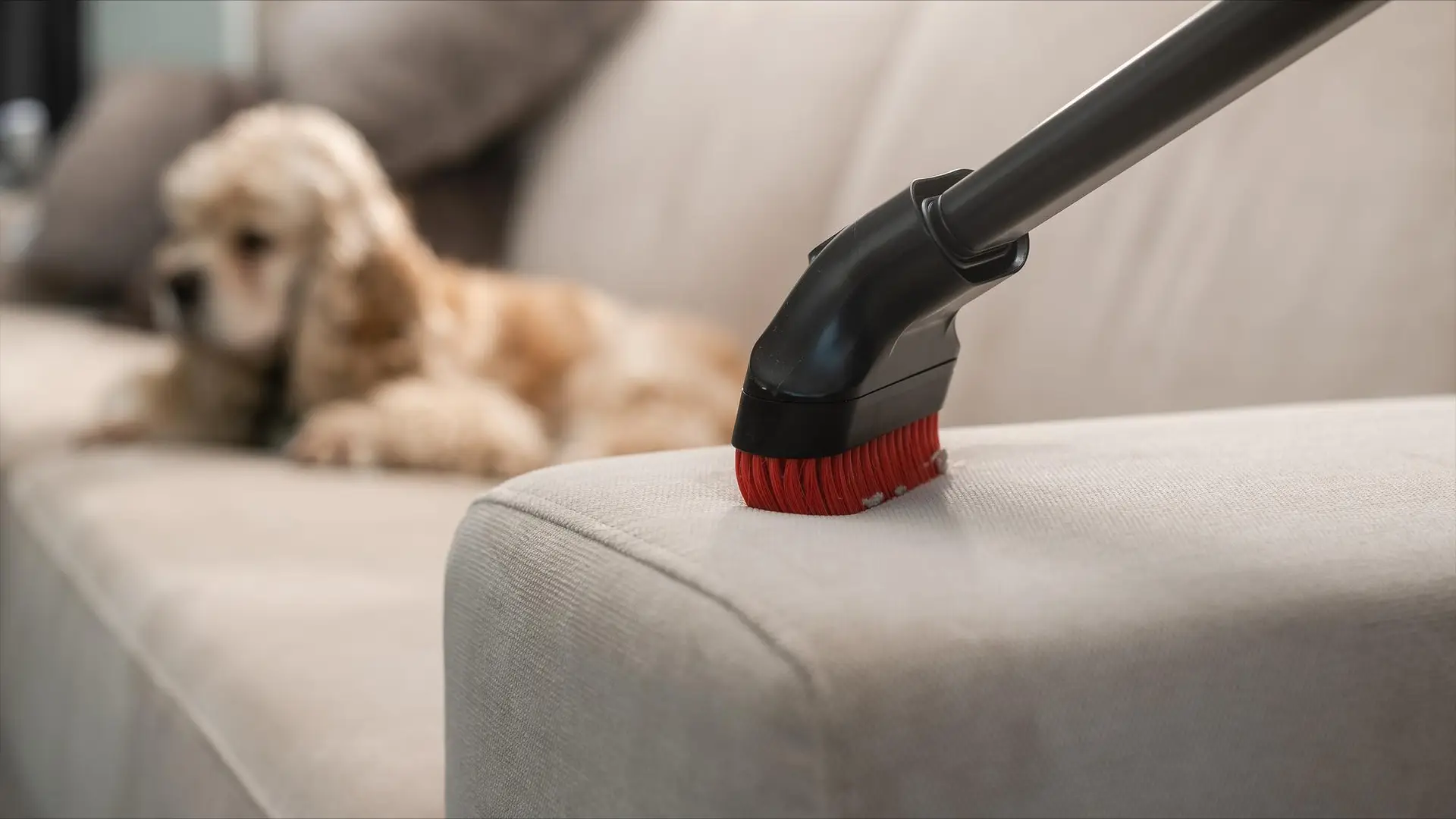
• Using pet-focused vacuum attachments
• Vacuuming upholstery regularly
• Emptying vacuum containers before they are full
Using proper vacuum methods helps support long-term pet hair control and keeps equipment working efficiently.
Furniture Cleaning That Prevents Embedded Fur
Upholstered furniture traps hair quickly. Without routine care, hair can settle deep into fibers.
Helpful furniture cleaning methods include:
• Using rubber brushes to lift surface hair
• Wiping surfaces with microfiber cloths
• Vacuuming cushions weekly
• Washing removable covers when possible
Consistent furniture maintenance helps improve overall pet hair control and keeps upholstery looking newer.
Floor Cleaning Based on Surface Type
Different flooring materials hold fur differently. Matching cleaning methods to each surface improves results.
Hard floors usually respond well to microfiber dust mopping and gentle vacuuming. Carpets typically require deeper vacuuming with rotating brush tools.
Using surface-specific methods helps strengthen overall pet hair control and protects flooring finishes.
Carpet Cleaning for Deeper Fur Removal
Carpets trap hair below the visible surface. Regular vacuuming is essential, especially in busy areas.
Helpful carpet cleaning habits include:
• Vacuuming high-traffic carpet zones multiple times weekly
• Using rotating brush vacuum heads
• Scheduling periodic deep carpet cleaning
These habits support strong pet hair control and help prevent deep fiber buildup.
Pet Bedding as a Major Fur Source
Pet bedding collects hair, oils, and odor quickly. Without regular cleaning, bedding becomes a major source of fur in the home.
Helpful bedding routines include:
• Washing bedding weekly
• Vacuuming pet beds between washes
• Using gentle pet-safe detergents
Routine bedding maintenance supports consistent pet hair control and helps reduce odor buildup.
Air Quality and Fur Movement Indoors
Hair often travels through indoor airflow. Improving filtration helps reduce airborne particles and floating fur.
Helpful air quality habits include:
• Replacing HVAC filters regularly
• Using air purifiers near pet sleeping areas
• Cleaning vents during seasonal maintenance
Clean air systems help support whole-home pet hair control and reduce airborne fur circulation.
Entryway Habits That Reduce Fur Spread
Entryways are where outside dirt mixes with fur. Managing this area reduces how much debris spreads through the home.
Helpful entry habits include:
• Cleaning pet paws after outdoor walks
• Vacuuming entry mats often
• Keeping grooming tools near entry areas
Entryway maintenance helps support strong pet hair control across all rooms.
Grooming as the First Step in Fur Management
Grooming is one of the most effective ways to reduce indoor hair levels. Removing loose hair early prevents indoor shedding buildup.
Helpful grooming routines include:
• Brushing pets several times weekly
• Using grooming gloves for quick daily removal
• Bathing pets based on coat type
Consistent grooming supports indoor pet hair control by lowering shedding inside the home.
Choosing Cleaning Products That Are Safe for Pets
Cleaning products must be safe because pets spend time on floors and furniture. Choosing safer products protects pet health and keeps homes clean.
Helpful product habits include:
• Using non-toxic cleaning products
• Avoiding strong artificial fragrances
• Rinsing floors well after cleaning
Safe cleaning choices support effective pet hair control while protecting pet health.
When Professional Cleaning Makes a Difference
Some homes benefit from deeper cleaning support, especially during heavy shedding periods.
Professional cleaning often helps with:
• Deep carpet hair extraction
• Upholstery deep cleaning
• High-traffic fur removal
• Odor removal treatments
Professional services can strengthen long-term pet hair control, especially in multi-pet homes.
Signs Your Routine May Need Adjustment
Sometimes routines need to change as pets age or seasons change.
Watch for signs like:
• Hair returning quickly after cleaning
• Strong pet odors returning faster
• Vacuum filters clogging often
• Hair appearing on clean clothing
Adjusting routines can help restore strong pet hair control results.
Seasonal Shedding and Cleaning Adjustments
Many pets shed more during seasonal transitions. Cleaning and grooming usually need to increase during these times.
Seasonal adjustments often include:
• Brushing pets more frequently
• Increasing vacuum sessions
• Washing bedding more often
• Cleaning upholstery more often
Seasonal adjustments help maintain effective pet hair control results year-round.
Long-Term Benefits of Consistent Fur Management
Preventive cleaning reduces long-term effort and improves comfort for both pets and owners.
Long-term benefits often include:
• Lower indoor allergen levels
• Cleaner furniture and flooring
• Less total cleaning time
• Better indoor air quality
Strong pet hair control habits support healthier living environments.
Making Fur Management Feel Natural
Managing fur becomes easier when cleaning becomes part of normal routines. Small, consistent actions work better than occasional deep cleaning sessions.
Following structured pet hair control routines helps maintain cleaner homes, fresher air, and more comfortable living spaces. Over time, consistent cleaning reduces stress and helps protect home surfaces.
With the right habits in place, homes with pets can stay comfortable, fresh, and easy to maintain throughout every season.